Portuguese
  Spanish



Discover How Record High Prices for Solar and Wind Energy Are Impacting Grid Stability and Challenging Suppliers!
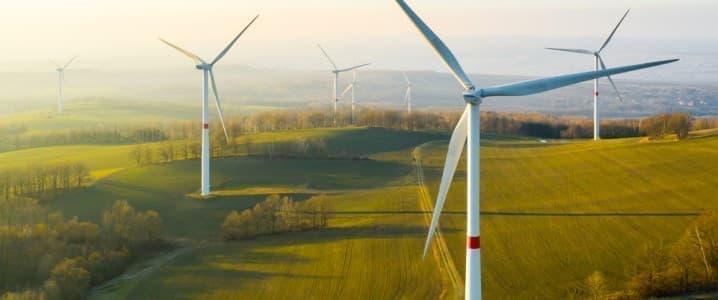
Solar and wind energy prices are plunging to unprecedented levels, but what seems like a victory for sustainability is actually challenging the stability of electrical grids and putting pressure on energy suppliers. The steep decline in prices, which in some cases has gone to negative values, is creating a volatility scenario that few predicted.
The Phenomenon of Negative Prices
In Europe, the rapid expansion of renewable energy has resulted in an oversupply, causing electricity prices to drop to negative numbers on several occasions. In the first eight months of 2024, prices were negative for an impressive 7,841 hours, reaching -$22 per megawatt-hour, according to consulting firm ICIS. The solar sector, with its unstable nature, is primarily responsible for this fluctuation.
-
OPEC+ Boosts Oil Supply by 188,000 Barrels per Day in July 2026, Leading to Price Drop from $112 to $89 per Barrel in Under Two Months

-
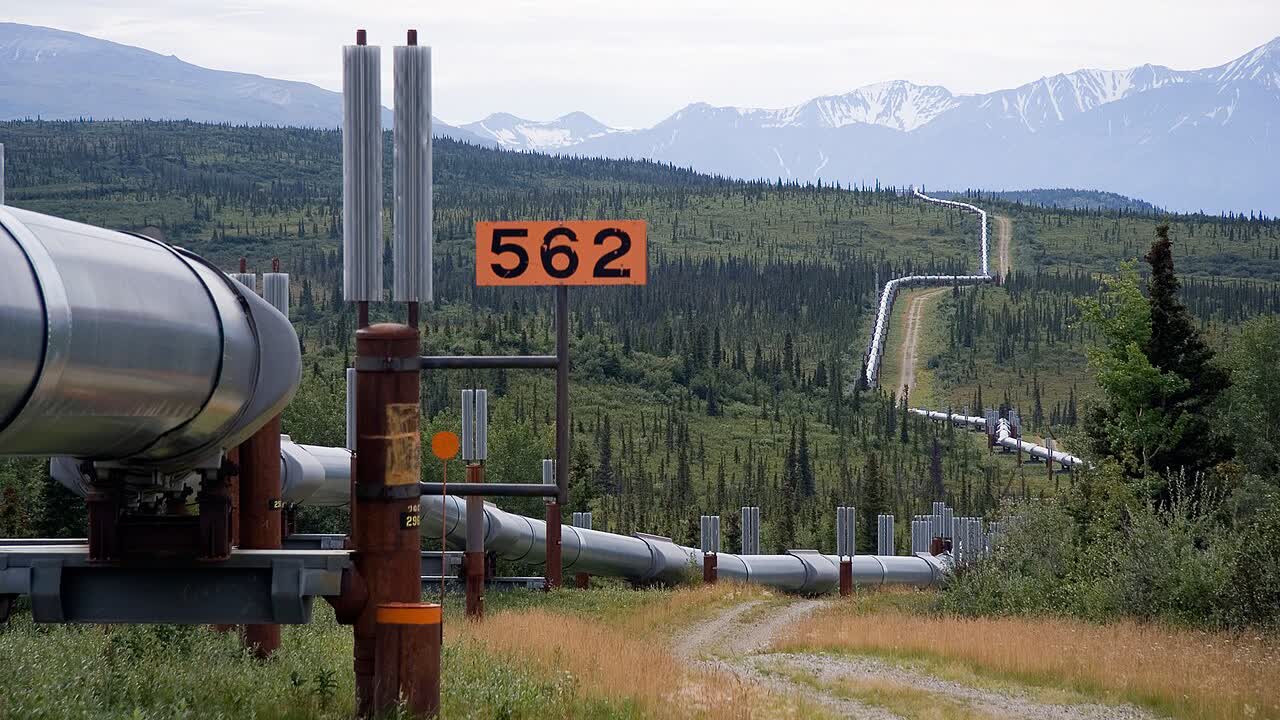
TotalEnergies Signs 20-Year Deal to Purchase 2 Million Tons of LNG from Alaska, Boosting Project Viability
-
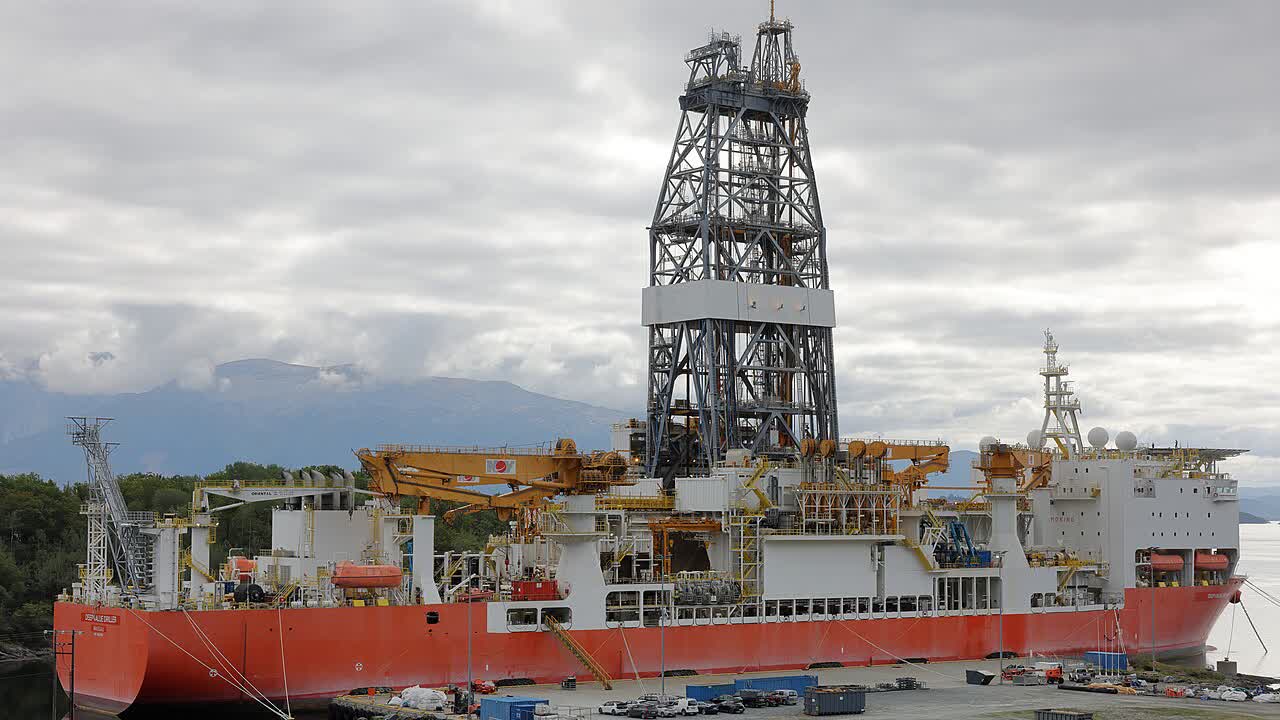
Turkey Deploys Çağrı Bey Drilling Ship to Explore New Oil Frontier Off Somalia’s Coast
-
Golden Pass LNG Ships First Liquefied Gas Cargo from the U.S., Completing $10 Billion QatarEnergy and ExxonMobil Investment

Challenges for Grid Stability
Price volatility is not just an economic issue, but also a technical one. The electrical grid needs to handle the intermittent supply of solar and wind energy, which depends on weather conditions. On days of high production, the grid becomes saturated with cheap energy, while during low production periods, the reliance on more stable sources, such as natural gas, increases.
Necessary Investments
To tackle these challenges, it is crucial to invest in energy storage solutions, such as large-scale batteries, and smart grids. The International Energy Agency (IEA) highlights that energy storage was the fastest-growing energy technology in 2023, with a global increase of 42 GW. However, this growth still does not keep pace with the expansion of renewable energies.
Impact on Energy Suppliers
Energy suppliers are at a crossroads. Price uncertainty is leading some to pause renewable energy projects. Many producers in Europe have been forced to cut production or even pay to offload electricity due to grid saturation. This discourages new investments in wind and solar farms.
The Way Forward
To mitigate the effects of negative prices, producers must adopt proactive measures, such as investing in energy storage and working with utilities to encourage variable energy contracts. Stronger national policies on battery storage and the adoption of clean technologies are essential to strengthen electrical grids.
In conclusion, while record high prices for solar and wind energy represent a significant advancement for clean energy, they also bring complex challenges that require innovative solutions and strategic investments. The transition to a sustainable energy future depends on how these challenges will be addressed in the coming years.