Portuguese
  Spanish



Speed of Airplane on Rails? Meet the Train in China That Reached 623 km/h and Plans to Reach 1,000 km/h, Like a Boeing 747
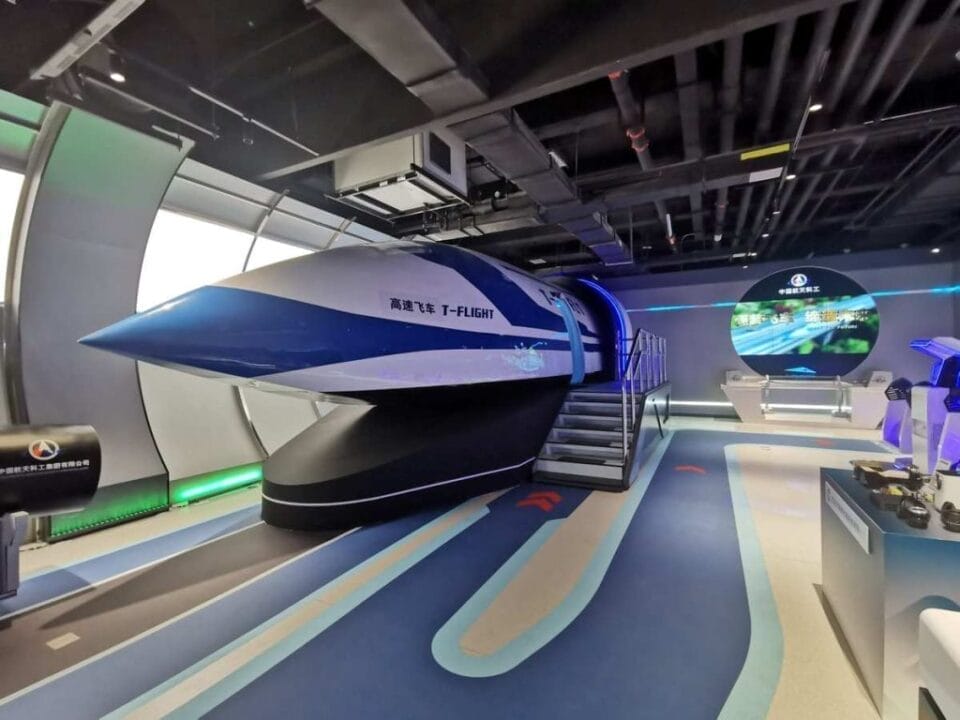
The T-Flight from CASIC could eventually reach 1,000 km/h. China may soon have a train as fast as an airplane. The China Aerospace Science and Industry Corporation (CASIC) is conducting tests with its new maglev train, which reached a speed of 623 km/h during testing. According to this state-owned company, this is the highest speed ever achieved by a superconducting maglev vehicle.
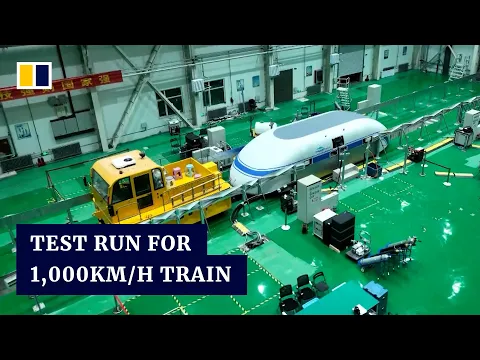

CASIC designs, develops, and manufactures everything from spacecraft to missiles, but is currently working on a hyperloop. The company built a low-vacuum tube section of about 2 kilometers at a facility in Shanxi province, China, according to New Atlas. It has conducted numerous tests in recent months, but this is the first time that its T-Flight train has broken a record. Reportedly, this “high-speed flyer” surpassed the highest recorded maglev speed of 603 km/h, established by Japan’s L0 Series train, although CASIC has not revealed the exact maximum speed.
How Does the Train Work?
As the name implies, the magnetic levitation system uses magnets to lift the train off the track and propel it forward. This means the train floats above the tracks and moves on a cushion of air. In this way, maglevs are faster and quieter than conventional trains. As they do not generate direct emissions, they are also better for the environment. Maglev trains are already used in China, South Korea, and Japan, but operate at lower speeds.
-
$12 Billion Invested in AI Data Centers in Semi-Desert Mexican State, But 17 of 18 Municipalities Now Face Water Shortages, Residents Receive Water Only 3 Days a Week

-
How Much Does Starlink Satellite Internet Cost for Cars, Trucks, and RVs? Prices for Antenna, Accessories, and Plans

-
U.S. City Builds Tiny Home Village on Water Company Land to House 136 Homeless People: Inside the Social Housing Units
-
Woman Turns Shipping Container into Home, Embraces Rural Life to Cut Monthly Expenses to Just Over $330




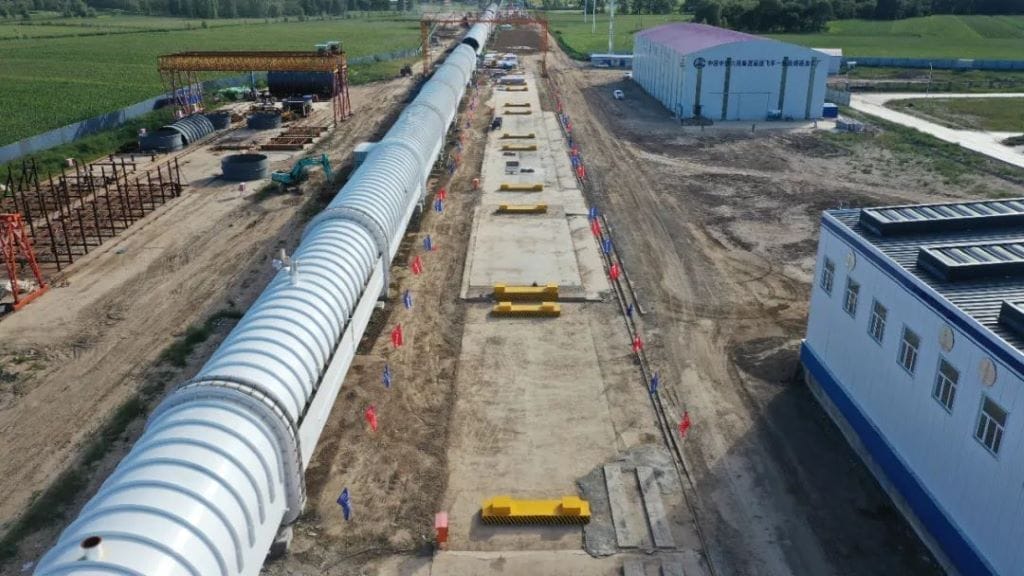
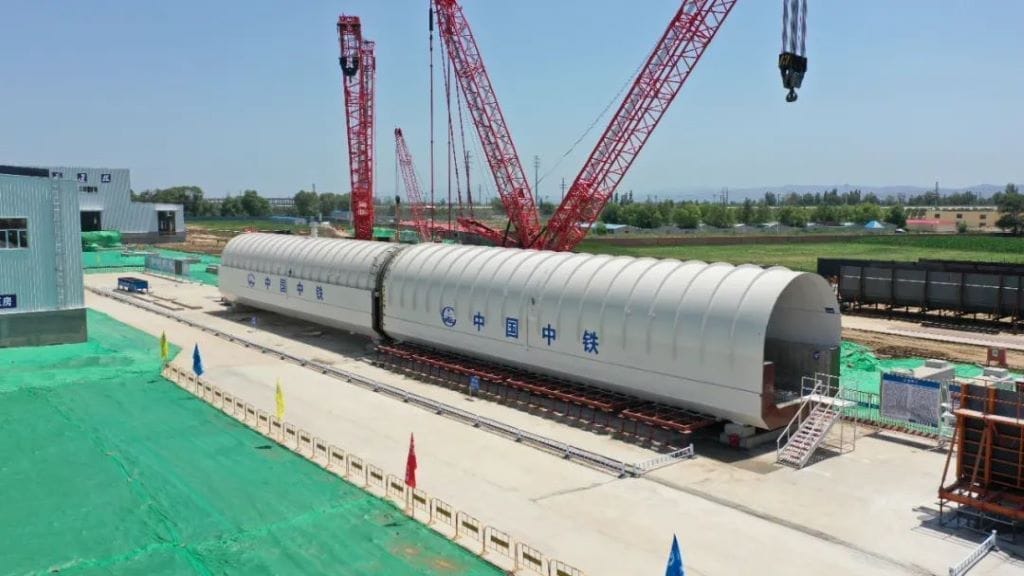
CASIC is pleased with the latest test of the T-Flight, stating that it validated the interaction between the test tube, the vehicle, and the track. Phase two of testing will see the track extended to 60 kilometers, allowing the T-Flight to reach even higher speeds. The train is expected to eventually reach 1,000 km/h, which means you could travel from Shenzhen to Shanghai in just over an hour. (To put it in perspective, the fastest commercial airplane in the sky currently, the Boeing 747, has a maximum speed of 1,050 km/h).
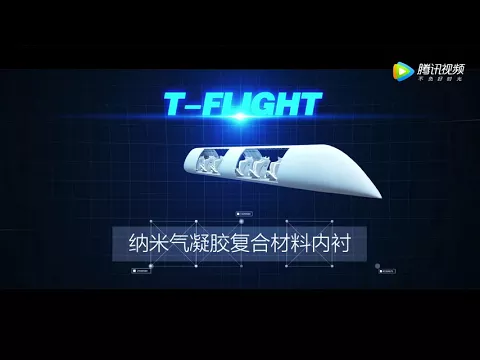
Challenges and Future of Maglev Trains
As you can imagine, maglev trains and their tubes are extremely expensive to build, and progress can be slowed by bureaucracy. Hyperloop One, formerly known as Virgin Hyperloop, shut down last year due to financial issues, according to Bloomberg. Fortunately, CASIC seems to have substantial economic resources. According to Forbes, the company generated about 37 billion dollars last year.
This advancement in maglev train technology not only promises to revolutionize transportation in China but also establish a new standard of speed and efficiency for the world. With the financial support and technological capability of CASIC, the dream of traveling at dizzying speeds over land is becoming more of a reality.