





 Portuguese
  English
  Spanish
  2 min of reading
  0 comments



Discover the Hidden Risks of AI Avatar Tools: Would You Trust Your Digital Clone?
The Fascination and Concern with AI Avatars
In recent years, AI avatar tools have gained popularity, promising to create realistic digital representations of individuals. But behind this innovation, significant concerns about privacy and security arise. Are we ready to trust our digital clones?
How Do AI Avatars Work?
These tools use artificial intelligence to analyze photos and videos, generating avatars that mimic facial expressions and movements. The technology is fascinating but raises questions about the use of personal data. How is this information stored and protected?
-
China builds the world’s largest astronomy base on the Tibetan plateau: telescopes up to 14.5 meters in Saishiteng are expected to surpass Mauna Kea by the mid-2030s and put Beijing in the race for the deepest discoveries of the modern universe.

-
Nvidia built the infrastructure of artificial intelligence and became the largest company in the world, but Jensen Huang now needs to defend his throne against Huawei, Google’s TPUs, chip startups, and customers who want to escape dependence on more expensive GPUs.
-
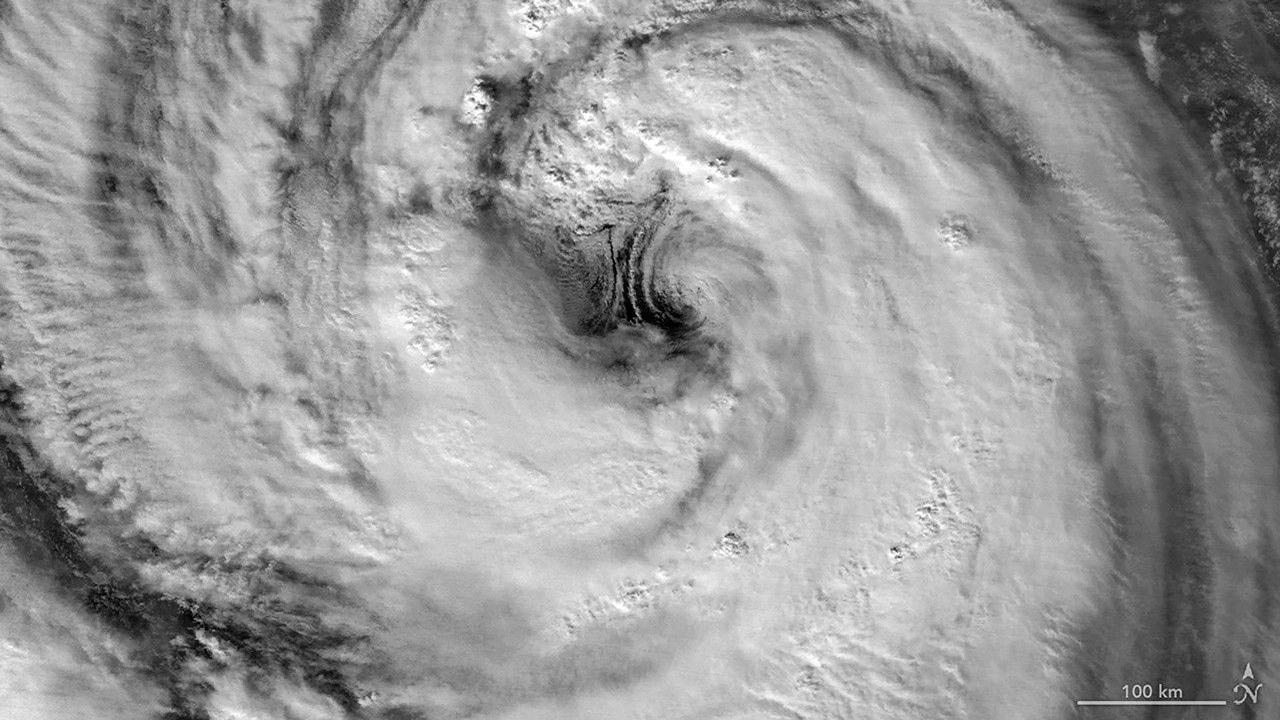
NASA captures Typhoon Jangmi with a giant eye spinning in space, winds of 130 km/h, and huge clouds advancing over Japan in images that impress with the storm’s strength.
-
Hidden beneath the dense vegetation of Mexico, a Maya settlement reveals 80 structures, a colorful mural, a monumental plaza, and structures up to 14 meters tall that may be just the beginning of an even larger ancient city.




The Risks of Privacy
Privacy is a major concern. When creating an avatar, users provide personal data that may be vulnerable to leaks or misuse. The question is: who has access to this information and how is it used?
Data Security
In addition to privacy, data security is crucial. If the data is compromised, avatars can be used for malicious purposes, such as fraud or identity manipulation. Protection against hackers is a priority, but it is not always guaranteed.
Ethical Implications
The ethical implications are also a point of discussion. The creation of realistic avatars may lead to questions about consent and representation. How can we ensure that avatars are used ethically and responsibly?
The Future of AI Avatars
Despite the risks, AI avatar technology continues to evolve. Companies are investing in security and privacy measures to mitigate concerns. However, it is up to users to be aware of the risks and make informed decisions.
Conclusion: A Critical Look
AI avatars offer incredible possibilities but also bring significant challenges. Before trusting your digital clone, it is essential to consider the risks involved. The question remains: would you trust your digital clone?






Be the first to react!