Portuguese
  Spanish



As the global electric fleet grows rapidly, the Asian country advances in the recovery of strategic materials, reduces dependence on mining, strengthens the circular economy, and expands its leadership in one of the most important sectors of the global energy transition
China has once again caught the attention of the global electric vehicle market. After leading the production and adoption of electrified cars, the country is now advancing in another challenge considered fundamental for the future of sustainable mobility: the recycling of electric vehicle batteries.
The information was released by the specialized site CarNewsChina, based on data published by IT-Home, showing that Chinese companies can already recover up to 99.6% of nickel, cobalt, and manganese present in used batteries. Additionally, lithium recovery rates range between 96% and 98%, numbers that put China ahead of other major economies in the sector.
This advancement occurs at a strategic moment. After all, the growth of the global electric vehicle fleet rapidly increases the need for solutions to reuse the materials used in batteries. Thus, recycling becomes as important as the manufacturing of the vehicles themselves.
-
Electric and Hybrid Cars Set to Transform Brazilian Streets: A New Era Begins

-
Chinese Giant Invests $1.3 Billion in Brazil to Produce 50,000 Cars Annually, Create Jobs, Develop Local Suppliers, and Manufacture Electric, Hybrid, and Combustion Models by 2027

-
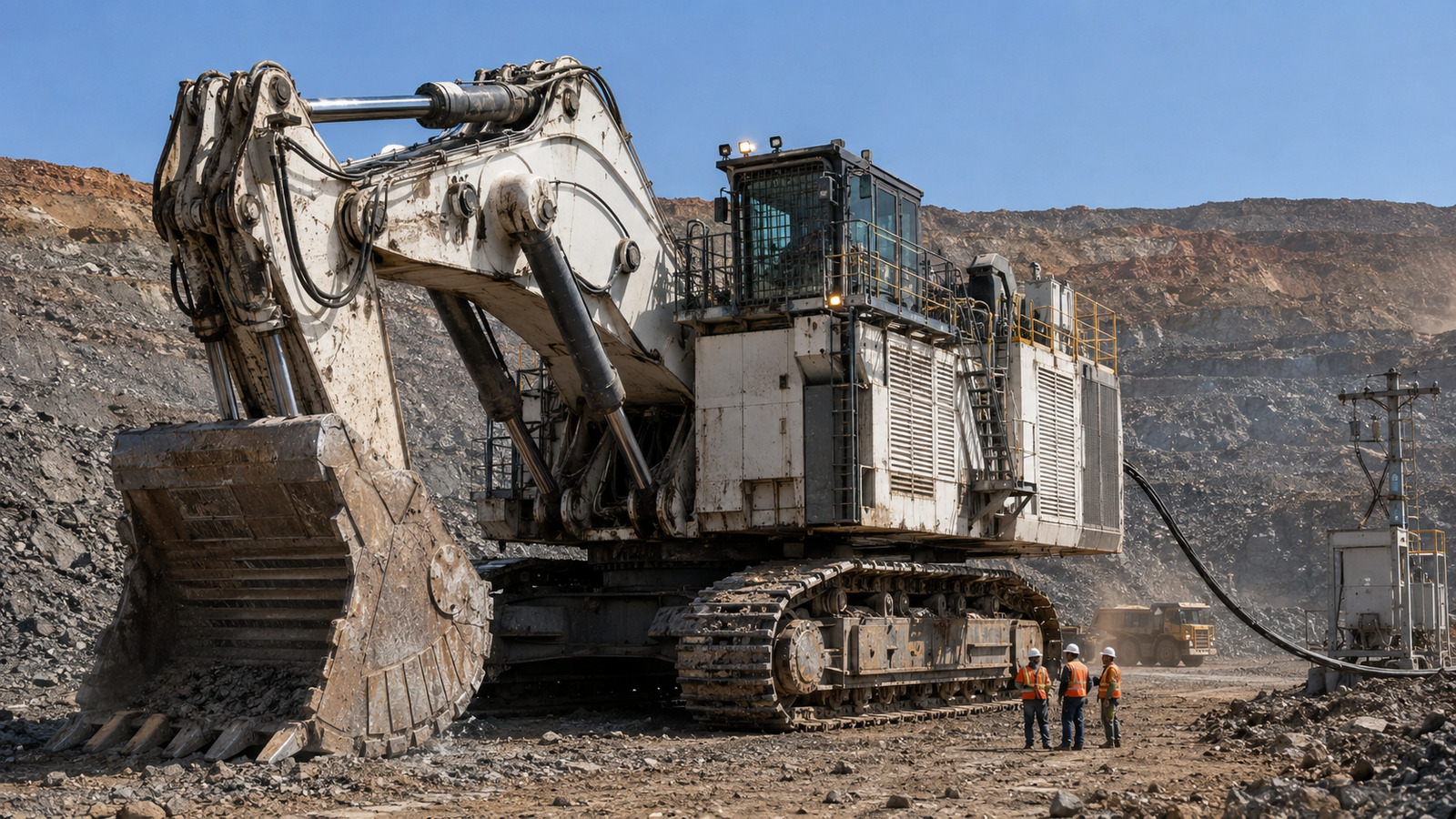
Unprecedented achievement in India: a colossal 650-ton, nearly 3,000 hp excavator is transformed into 100% electric, marking a new phase in heavy mining.
-
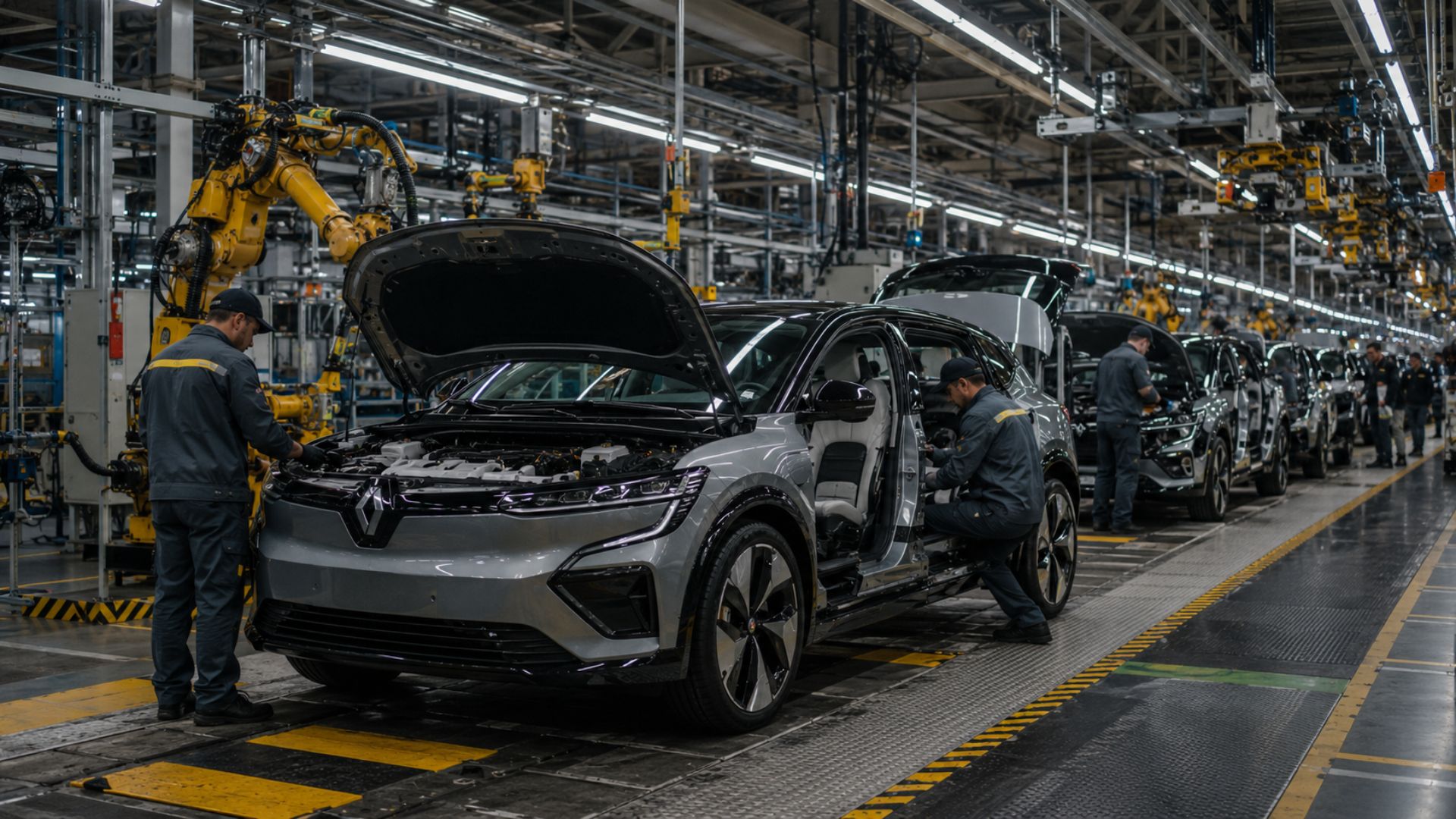
Frightened by the speed of Chinese manufacturers, Renault decided to mimic the pace, made the new electric Twingo in just 21 months, wants to repeat the feat with 36 models by 2030, and along the way, will cut up to 2,400 engineering positions.

China expands leadership in electric car battery recycling
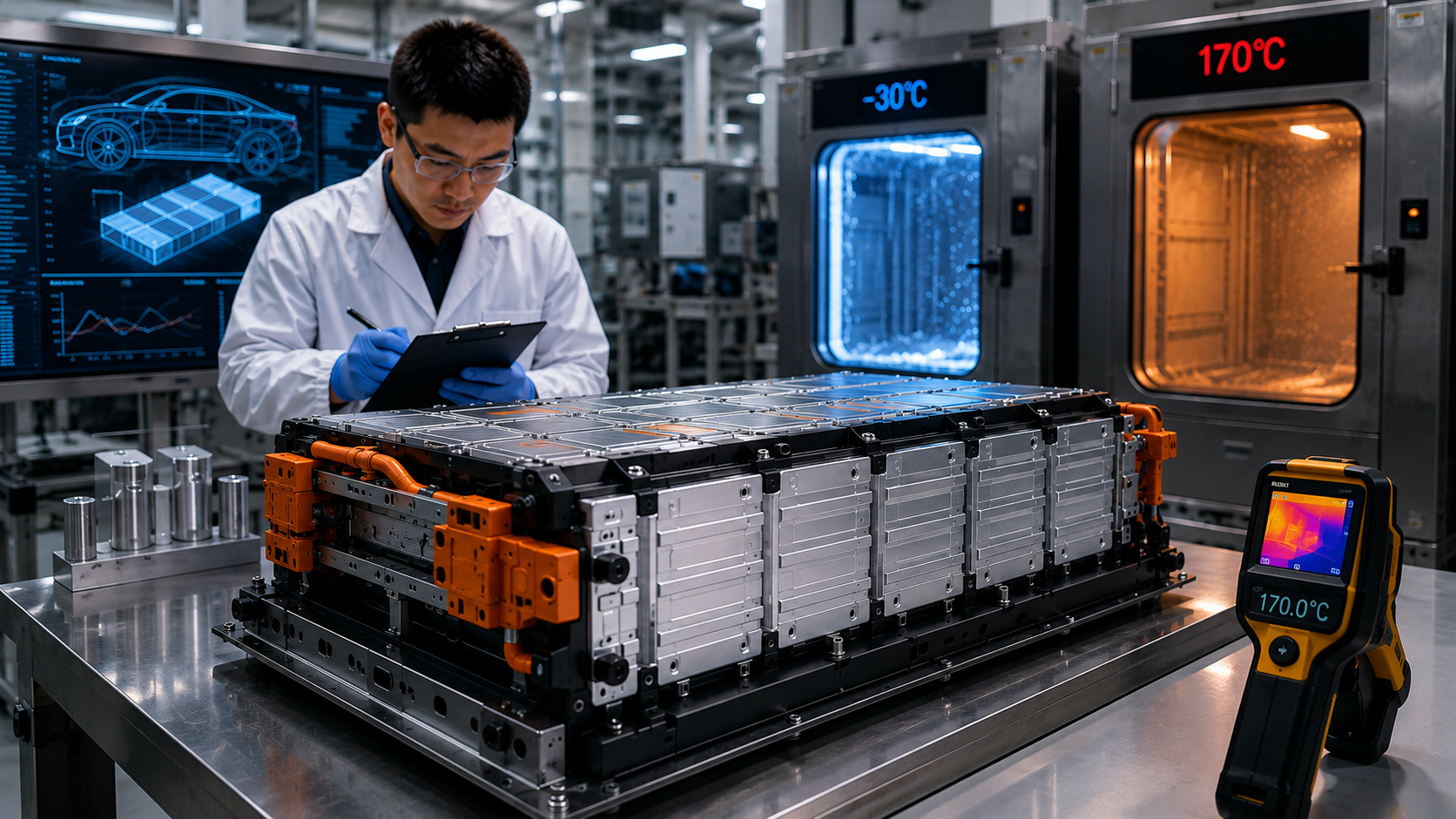
Batteries represent one of the most expensive and complex components of an electric vehicle. Moreover, their production depends on strategic minerals such as lithium, cobalt, nickel, and manganese, whose extraction generates environmental, economic, and social debates in various countries.
For this reason, the recovery of these materials has become a priority for governments and manufacturers. In this scenario, China has managed to build a significant competitive advantage.
According to the released data, Chinese companies already achieve recovery of up to 99.6% of nickel, cobalt, and manganese. At the same time, lithium recovery reaches rates between 96% and 98%.
These numbers exceed the current targets of the European Union. The European bloc projects to achieve approximately 90% recovery of critical metals only by the end of this decade.
Meanwhile, China is already operating at levels close to the total reuse of the main materials used in battery manufacturing.
Additionally, the country has implemented strict national standards for recycling. The rules were established by the Ministry of Industry and Information Technology (MIIT), which has been strengthening the entire chain of strategic material reuse.
CATL leads the expansion of the circular economy in the battery sector
A large part of this advancement is related to the activities of CATL, currently considered the world’s largest battery manufacturer.
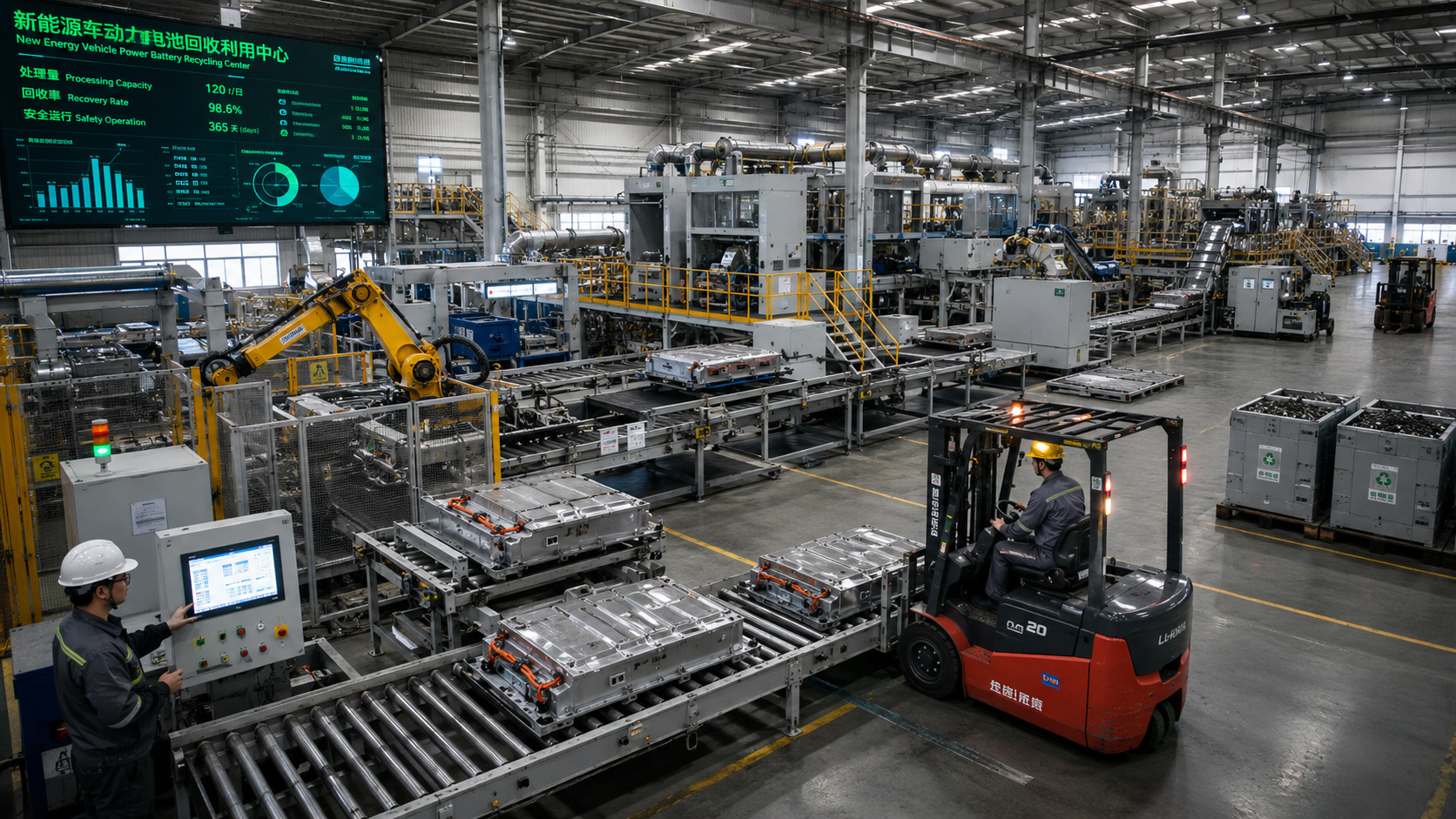
Through its subsidiary Guangdong Brunp Recycling Technology, the company operates more than 200 recycling units across the country. Additionally, the company plans to expand its capacity to process up to 1 million tons of discarded batteries.
To achieve this goal, the company uses automated systems and advanced material recovery technologies.
Among them is hydrometallurgy, also known as acid leaching. This process allows the extraction of high-value metals with a high degree of purity, enabling their return to the production chain.
Consequently, the need for mining decreases. At the same time, the industry reduces costs, minimizes environmental impacts, and strengthens the security of raw material supply.
Another important differentiator is that Chinese standards are not limited to automotive batteries. The rules also cover energy storage systems, maritime applications, and various industrial uses.
Thus, the country builds a comprehensive circular economy model, capable of reusing resources in different strategic sectors.
Europe and the United States attempt to reduce technological gap
While China advances rapidly, other markets are still working to expand their recycling infrastructure.
In the United States, for example, companies like Redwood Materials already have technology capable of recovering up to 95% of the main metals present in electric vehicle batteries.
However, experts point out that the American challenge lies in operational scale. Although the technology exists, the necessary infrastructure to process large volumes is still expanding.
Additionally, changes in government incentives can affect the speed of this growth. The Inflation Reduction Act sought to reduce American dependence on the Chinese chain by considering recycled materials as national inputs for obtaining benefits.
Even so, Chinese leadership remains solid in the short term.
Simultaneously, China is also actively participating in the construction of international standards for the sector. Currently, about 40 Chinese experts collaborate in global technical committees responsible for setting guidelines related to recycling, reuse, and the second life of batteries.
This involvement further strengthens the country’s influence in a market that is expected to grow significantly in the coming decades.
As millions of batteries reach the end of their useful life, the ability to recover strategic materials will be decisive for the sustainability of electric mobility. In this context, the Chinese experience demonstrates that it is possible to combine innovation, reduction of environmental impacts, and economic strengthening. Moreover, the results help to dismantle one of the most used arguments by critics of electric vehicles: the idea that batteries inevitably become waste without a useful destination.
Do you believe that other countries will be able to reach China’s levels of battery recycling, or will this leadership remain concentrated in the Chinese market for the coming years?