Portuguese
  Spanish



With Unemployment at 5.4%, Brazil Reaches the Lowest Level in IBGE Historical Series, Reduces the Number of Unemployed, Maintains Over 102 Million Employed, and Shows Consistent Improvement Towards 2024, with a Still Heated Market, Job Openings Arising and Steady Pace of Formal Hiring in Various National Sectors.
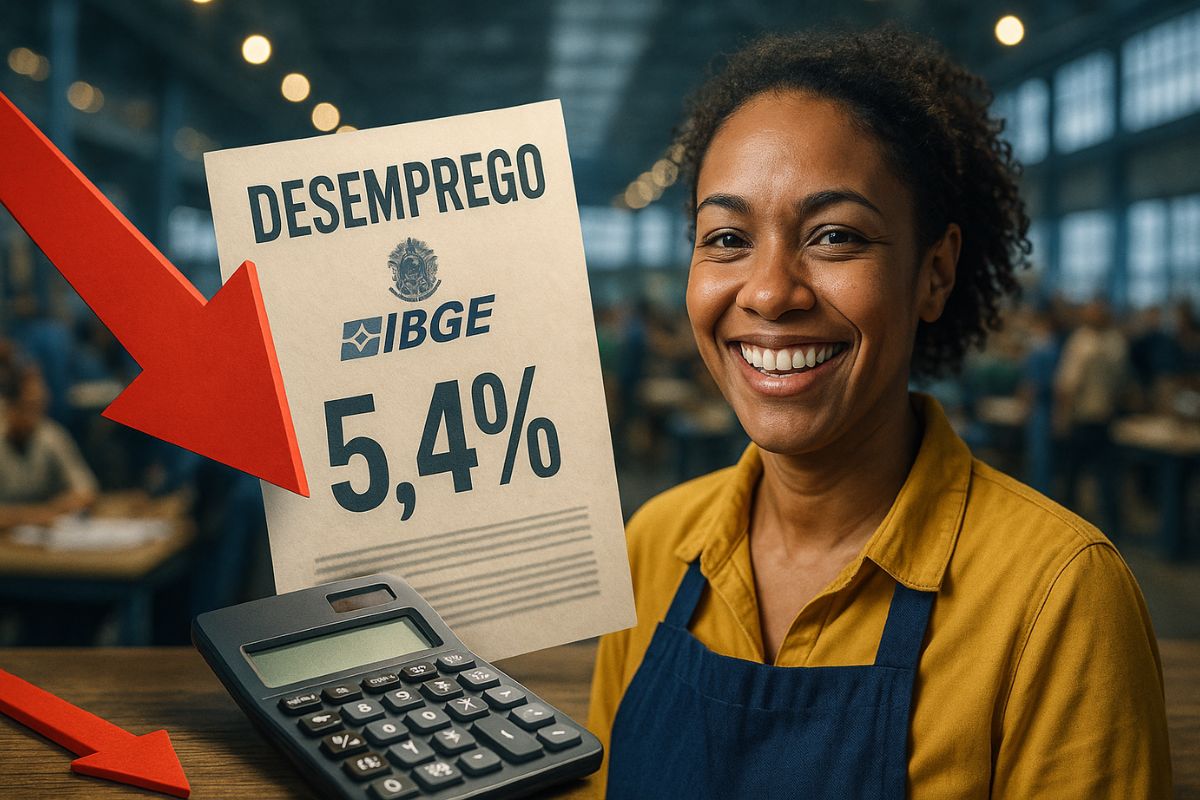
The unemployment rate at 5.4% in the mobile quarter ending in October is not just another number on the screen. This result, measured by IBGE’s Continuous PNAD, represents the lowest unemployment rate in the entire historical series initiated in 2012, with a decrease both from the immediately previous quarter and compared to the same period in 2024.
In practice, this movement means fewer people looking for work without finding a job and more people maintained in employment, in a scenario where the labor market continues to react consistently. At the same time, the data shows that there is still a significant contingent of Brazilians outside the labor force or in informal situations, which opens the door for future advancements even with unemployment at a historic low.
Unemployment at 5.4% Marks Historic Low of IBGE Series
According to IBGE, unemployment stood at 5.4% in the mobile quarter ending in October. This level is the lowest in the historical series of the survey since 2012, resulting from a combination of declining unemployment and maintaining the number of occupied individuals at a high level.
-
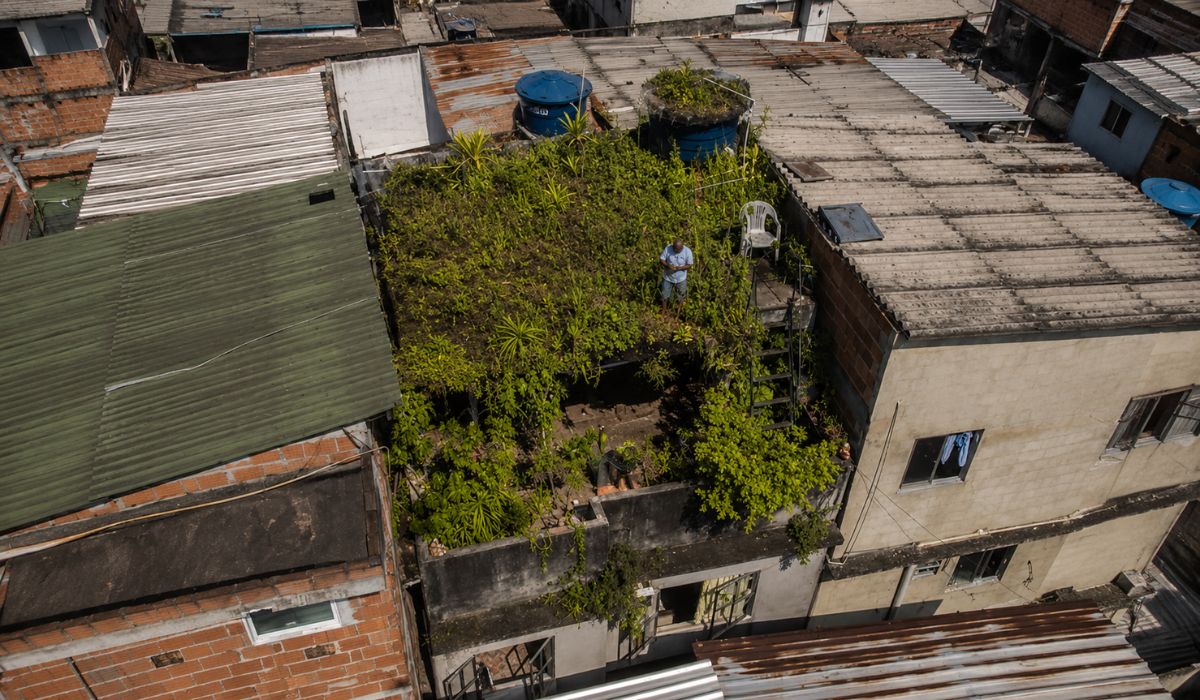
Former Marketing Agency Owner Thrives on Foraging for 250 Days, Sampling Over 170 Plants, and Says He No Longer Remembers Supermarkets

-
IKEA’s AI Handles Nearly Half of Customer Calls, Company Reassigns 8,500 Staff as Design Consultants, Boosting Revenue by €1.3 Billion
-
Owner of Havan Visits Paraguay to Discuss Lower Taxes, Local Suppliers, and International Expansion with President

-
Brazilian Construction Retail Chain Closes After 60 Years, Begins Liquidation Sale Across Five Cities




In relation to the previous mobile quarter, the rate fell from 5.6% to 5.4%, a reduction of 0.2 percentage points. Compared to the same period in 2024, when unemployment was at 6.2%, the decline was even stronger, at 0.7 percentage points.
In other words, the labor market has been improving both in the short term and year-over-year, indicating that the recovery is not an isolated movement of a single quarter.
Fewer Unemployed and More Brazilians in the Labor Market
One of the most symbolic data points from this round of research is the size of the unemployed population. According to IBGE, Brazil has 5.9 million unemployed individuals, the lowest number in the historical series. Compared to the previous quarter, there was a decline of 3.4%, which means 207,000 fewer people in the unemployment line.
In comparison to the same period in 2024, the drop is even more significant, reaching 11.8% and representing 788,000 fewer people seeking work.
Meanwhile, the employed population remains around 102 million people, with an increase of 926,000 employed compared to the year before.
The employment rate stood at 58.8% of the working-age population, maintaining stability compared to the previous quarter and the same period in 2024.
Complete Picture of the Workforce and Underutilization
In addition to low unemployment, IBGE also measures the so-called underutilization rate, which includes those working fewer hours than they would like or could, and those available to work but not seeking work for various reasons.
In this context, the underutilization rate stood at 13.9%, a figure that still shows room for improvement even with unemployment at a historic low.
The survey also details the size of the workforce and those completely outside it. The research shows 66.1 million people outside the labor force, a group that includes everyone from retirees to those not seeking employment due to studying, caring for others, or discouragement.
Within this universe, 2.6 million are considered discouraged, meaning individuals who would like to work but have given up looking due to lack of prospects or opportunities in their region.
Formal Employment, Informality, and Self-Employment
When examining the quality of job openings, the scenario also reveals important nuances. Brazil has 39.2 million formal employees, representing the most protected core of the formal market, with rights to vacation, 13th salary, and FGTS.
Alongside them, there are 13.6 million informal employees, part of the group that contributes to the figures of informality.
The survey also shows 25.9 million self-employed workers, many of whom work without CNPJ and without robust social protection.
Adding different forms of precarious employment, IBGE points to 38.8 million informal workers, which means a significant portion of the workforce still relies on more unstable occupations, even in a scenario of declining unemployment.
The challenge now is to transform the improvement in job quantity into consistent progress in job quality.
Unemployment at Historic Low Changes Perception, but Does Not Eliminate Challenges
With unemployment at 5.4%, Brazil reaches a historic milestone and reinforces the idea that the labor market is undergoing a longer improvement cycle rather than just a short-term respite, with fewer unemployed, more people employed, and stable indicators of employment levels.
The decline compared to 2024 shows that millions of Brazilians have been able to return to work at a pace considered accelerated by IBGE’s numbers.
At the same time, the data on underutilization, informality, and discouragement reminds us that not everyone feels the relief of unemployment in the same way, as many remain in jobs without protection or outside the labor force due to lack of perspective.
In your daily life, do you feel that this drop in unemployment has manifested as more job openings, better salaries, or new opportunities in your region, or does it still seem like just a pretty number in the statistics?