Portuguese
  Spanish


Researchers are taking archaeology to unlikely environments, from the ISS to Everest, and finding clues about culture, routine, and human adaptation where life seems almost impossible.
Archaeologists are looking at two of the most hostile places on the planet — and beyond it — to understand how people live, work, and leave traces in extreme environments. The focus now ranges from the International Space Station to Mount Everest, in a line of research that tries to decipher how humans build routine, culture, and even hierarchies in places where, theoretically, they shouldn’t be.
The idea may sound unlikely, but it is already yielding concrete results. In the case of the ISS, researchers found usage patterns that did not match what planners envisioned. On Everest, the focus shifts to what is left along the way: objects, marks, memorials, and signs of occupation that tell a story beyond landscape photos.
According to livescience.com, this shift is being led by archaeologists who have moved away from traditional historical sites to investigate places where human presence is recent, controlled, and full of limits.
-
Brazilian Job Market Surprises: Unemployment Falls to 5.6%, Hits Record Low for May, Brazilian Incomes Rise, and Underemployment Reaches Lowest Level Ever Recorded by IBGE

-
Chinese E-commerce Giant Predicts Robots Will Replace 700,000 Delivery Workers as Autonomous Vehicles Expand to 200 Cities, Offering Training for Workers to Maintain Their Machines

-
Trump warns Europe with 100% tariff threat on digital tax, potentially impacting wine and trade agreements
-
As Homeownership Becomes Unattainable in Brazil, Japanese Municipalities Offer Abandoned Houses for as Low as $3,000 to Revitalize Aging, Emptying Cities


From classical excavation to traces left in space
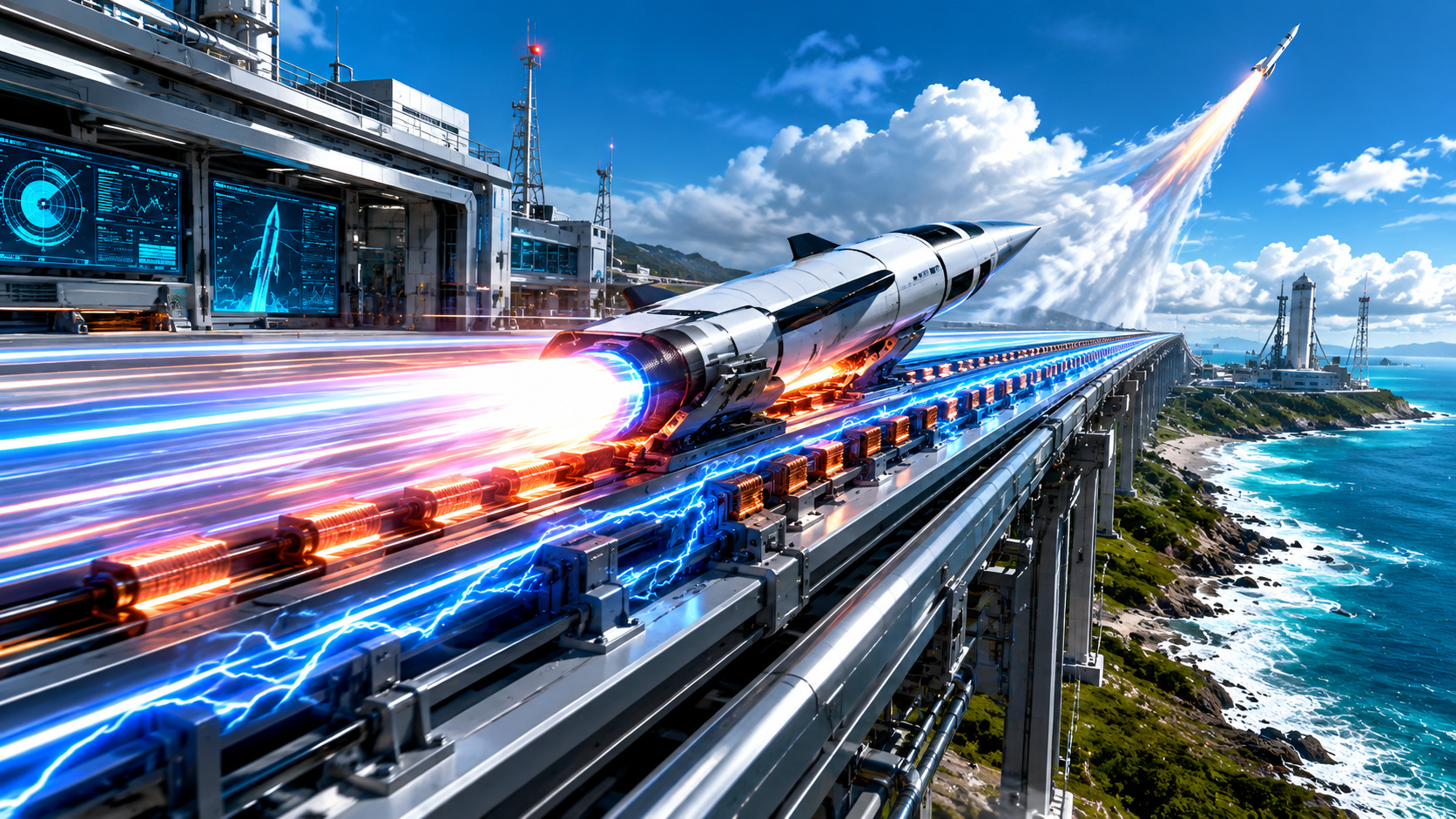
Justin Walsh, an archaeologist at Chapman University in California, works with what he calls “space archaeology,” the archaeology of space. Instead of ancient pottery or buried ruins, the focus is on human activity 100 kilometers from Earth and beyond.
He began to think about this after a question posed by a student in 2008: if there are things in space, wouldn’t that also be heritage? The provocation paved the way for an area that today tries to read life aboard the International Space Station from visual records.
Since it’s not possible to frequently visit the station — and a two-week trip in an Axiom Space capsule costs $75 million per seat — the team relied on thousands of public NASA photos to study how astronauts occupy the space, which areas they use, and how the environment changes over time.
Astronauts do not use the station as the designs predicted
The work has already brought a curious finding: the real routine of the ISS does not always follow the plan outlined in the manuals. In an experiment with photos taken over 60 days in six locations of the station, researchers noticed that the so-called Maintenance Work Area, created for equipment maintenance, was hardly used for that purpose.
The location appeared more like a kind of spatial “junk drawer,” with objects stored wherever there was space, lots of Velcro, and no fixed function. The area was intended for repairs and scientific tasks but ended up becoming an improvised storage point.
The scientists also mapped differences in the presence of men and women in the public images released from the station. In 2020, there were about 250 people who had passed through the ISS, with 84% men and 16% women. In NASA’s photos, women appeared less in areas of science, food, sleep, and exercise, but more in the cupola, the panoramic window with a view of Earth.
Everest comes on the radar with trash, memorials, and passage marks
Now, Walsh and Shawn Graham, a digital archaeologist at Carleton University in Canada, are taking the method to Everest. The proposal is to look not only at the summit but at the traces left on trails, camps, and base areas.
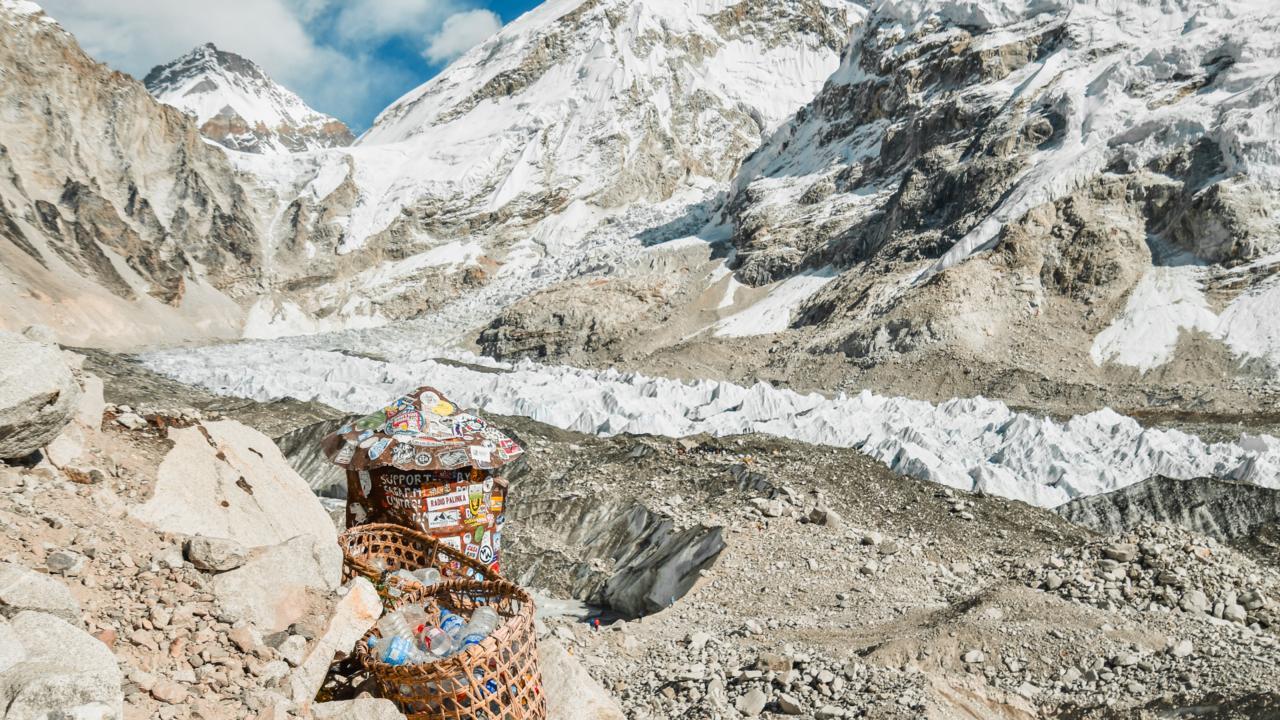
The list of items that interest researchers includes oxygen tanks, human remains, food packaging, tents, prayer flags, poles, and respirators. Each object helps to create an image of how the mountain is occupied and transformed by human presence.
One of the most observed points is a rock at Everest Base Camp with the inscription “Everest Base Camp,” periodically repainted and surrounded by different items over time. The archaeologists also monitor a space with monuments to the dead, which changes as new memorials are added and emotion, mourning, and homage accumulate on the mountain.
What the research wants to discover about those who climb the mountain
For Graham, Everest is a place where seemingly trivial details reveal a lot about collective behavior. The idea is to use photos from tourists and climbers to map, over time, how people build a kind of temporary society in an extreme environment.
He highlights that Everest also carries marks of nationalism. For years, the competition was not just about reaching the top, but about which country could open routes and achieve feats first. This drive still appears in the way groups organize, identify themselves, and record their passage on the mountain.
The researchers state that they want to expand this type of analysis to other hard-to-access spaces, such as stations in Antarctica, submarines, and oil platforms. The logic is simple: where human life is pushed to the limit, material traces can say a lot about adaptation, exclusion, and survival.
Additionally, Walsh participates in a group focused on accessibility in space and advocates that environments like the ISS and Everest can also be considered from the perspective of people with disabilities. According to him, no one reaches these places in full physical capacity, and this changes everything in the way we observe humans in extreme conditions.
The next stage even includes a crowdsourcing project to receive photos from those who have been to Everest. If it comes to fruition, the research could open a new window to study the mountain not as a symbol of conquest, but as a living archive of human presence. Those who follow science, exploration, and archaeology can already keep an eye on this new frontier.