






 Portuguese
  Spanish


The largest private investment in the history of Rio Grande do Sul is on the brink of the abyss. A legal action by the MPF could make CMPC abandon Barra do Ribeiro and take 12,000 jobs and R$ 27 billion to the neighboring country.
Brazil is about to lose R$ 27 billion — and the blame, according to the company itself, is a “gigantic legal imbroglio” that halts works, drives away global suppliers, and opens the door for a neighboring country to steal the investment.
The Chilean CMPC, one of the largest pulp producers in the world, has set a deadline on the table: by the end of 2026, either the Nature Project leaves Rio Grande do Sul — or it goes to Paraguay. The statement was made by the company’s general director in Brazil, Antonio Lacerda, in an interview with Jornal do Comércio, and shook the South American industrial market.
The project that could transform a city of 12,000 inhabitants
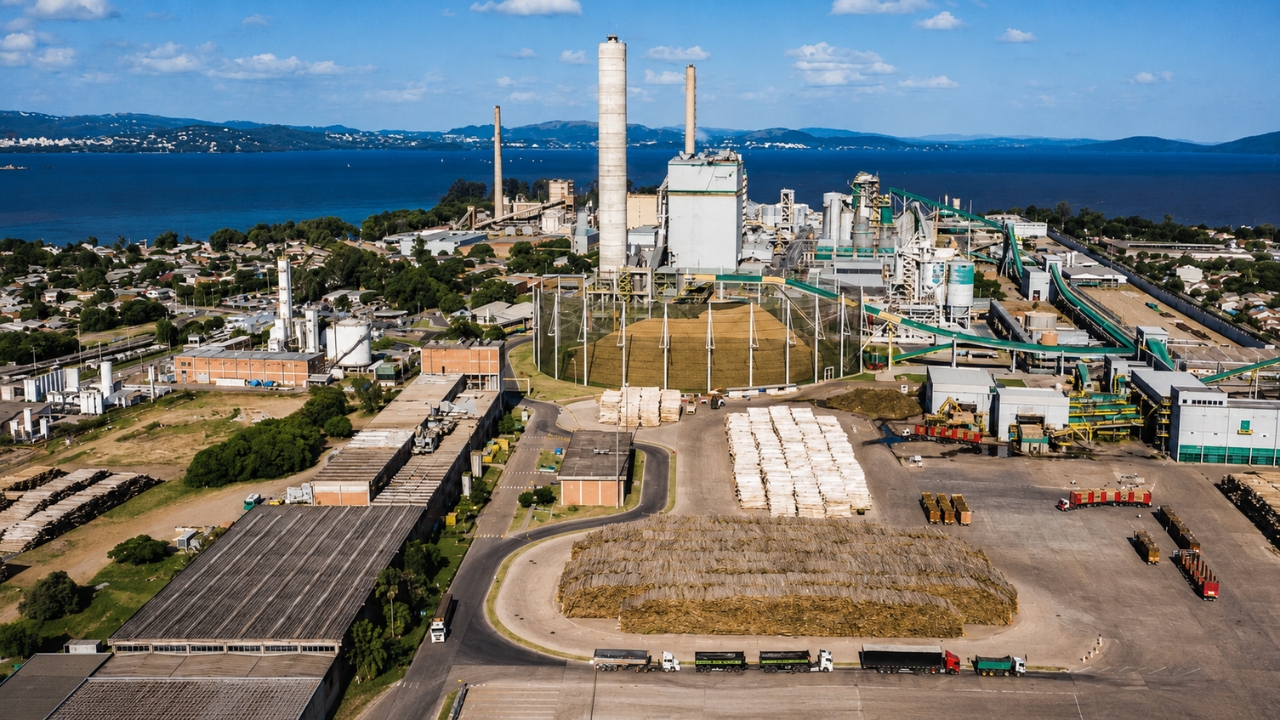
The Nature Project is one of the largest private industrial ventures ever planned in Brazil. The pulp plant would be installed in Barra do Ribeiro, a small town in Rio Grande do Sul with just 12,000 inhabitants, on the banks of the Guaíba River, in the Metropolitan Region of Porto Alegre.
-
Low-income Brazilian families eligible for up to R$ 16,000 subsidy at Casa Paulista Housing Fair, offering 1,450 home purchase vouchers

-
Brazil’s Imigrantes Highway Celebrates 50 Years with Plans for Major Expansion, Including a 6 km Tunnel and Third Lane to Ease Traffic to São Paulo’s Coast

-
Brazilian Job Market Surprises: Unemployment Falls to 5.6%, Hits Record Low for May, Brazilian Incomes Rise, and Underemployment Reaches Lowest Level Ever Recorded by IBGE
-
Chinese E-commerce Giant Predicts Robots Will Replace 700,000 Delivery Workers as Autonomous Vehicles Expand to 200 Cities, Offering Training for Workers to Maintain Their Machines


With the capacity to produce 2.5 million tons of eucalyptus pulp per year, the factory would be accompanied by a dedicated port terminal at the Port of Rio Grande, valued at about R$ 3 billion and designed to export the production directly to the international market.
The original schedule foresaw the immediate start of construction in 2026 and commercial operation in August 2029. So far, CMPC has already committed US$ 400 million just in the development and studies of the project — without having built a single brick of the factory.
The deadline, Paraguay, and the phrase the market won’t forget
Lacerda was straight to the point: without an environmental license by December 2026, the project “loses position in the queue of technology suppliers” and could be delayed by two to three years. If the scenario remains, the company considers installing the megafactory in Paraguay.
The phrase that resonated most behind the scenes in the forestry sector was cutting: Paraguay would have “wood and legal predictability” — two assets that Brazil, according to the company, cannot offer at the moment.
In recent years, Paraguay has attracted investors with lower operational costs, tax incentives, and faster regulatory processes. Although still far from Brazilian logistical infrastructure, the mere mention of the country as a real alternative by a multinational of this size is seen by the market as a very serious sign about the business environment in Brazil.
What is Holding Back the Largest Investment in the History of Rio Grande do Sul
At the center of the impasse is a public civil action filed by the Federal Public Ministry (MPF) on May 13, 2026. The agency points out that the environmental licensing process, conducted by the State Environmental Protection Foundation (Fepam), progressed without fulfilling a fundamental requirement: the Free, Prior and Informed Consultation (FPIC) with communities of artisanal fishermen, Guarani Mbya indigenous people, and quilombolas potentially impacted by the project.
The requirement is based on the International Labour Organization (ILO) Convention 169, an international standard ratified by Brazil that obliges the State to formally consult traditional peoples before approving projects that affect their territories and ways of life.
CMPC argues that it has technical security regarding the environmental impacts of the new plant and that studies conducted for more than a decade at the neighboring Guaíba unit prove the project’s feasibility. The company classified the legal scenario as a “gigantic imbroglio” and states that the expansion of requirements creates a degree of uncertainty incompatible with the global industrial schedule.
Governor Enters the Dispute — and Divides Opinions
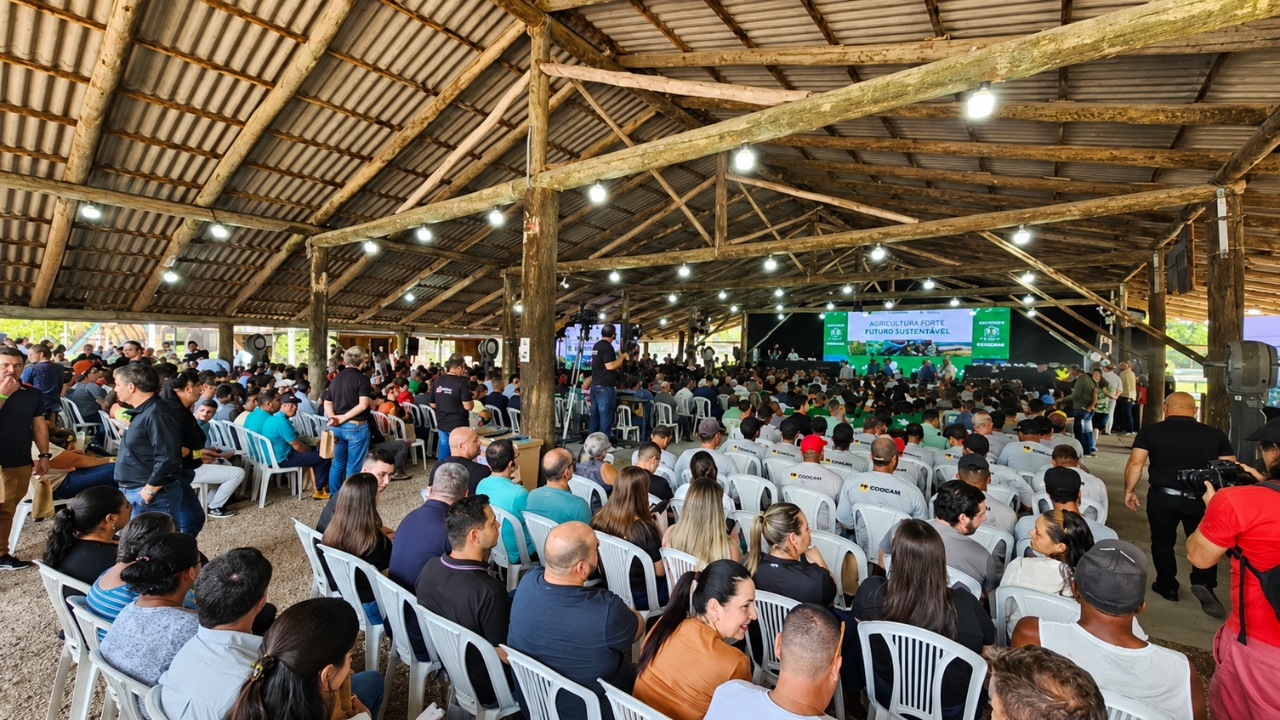
Governor Eduardo Leite reacted quickly. After Lacerda’s statement, Leite met with company representatives at the Piratini Palace and published a note stating that he is personally following the case, with support from the State Attorney General’s Office.
In a video posted on social media, the governor stated that the State is working to “enable all necessary conditions” for the installation of the plant in Barra do Ribeiro. The statement divided opinions: critics claim that the government’s stance creates undue pressure on technical bodies and on the MPF itself, anticipating an outcome that is still open in Federal Court.
What’s at stake for Brazil
The CMPC case is not just about cellulose. It exposes a structural dilemma of the country: how to balance environmental rigor, protection of traditional communities, and economic competitiveness at a time when South America is fiercely competing to attract industrial capital linked to the bioeconomy.
For the sector, the signal is clear: the speed of project approval has become as important as operational cost or the availability of raw materials. If the transfer to Paraguay progresses, the losses will be double — economic and symbolic: jobs, revenue, port activity, and the strengthening of a regional competitor in a chain that Brazil has always dominated.
The clock is ticking. And Paraguay is watching.


