





 Portuguese
  English
  Spanish
  3 min of reading
  0 comments



Model Integrates Design and Execution in a Single Contract, Enhances Forecasting, Shortens Deadlines, and Strengthens Strategic Decisions in Stores and Corporate Offices
In the corporate market, time, predictability, and control are critical assets. Therefore, delays in store and office construction often lead to revenue loss, operational impact, and brand wear. In this context, Design & Build (D&B) consolidates as a strategic model by integrating design and execution in a single contract, ensuring efficiency, coordination, and risk reduction throughout the entire project.
Since the 2000s, especially after the consolidation of international studies, Design & Build has been adopted as an alternative to the traditional model. Nevertheless, its main differentiator lies not only in speed or cost but in the independence and complementarity between disciplines when well-structured.
Integration with Technical Autonomy Yields Better Results
Although Design & Build is often compared to the Turnkey model, there is an essential distinction. In a well-applied D&B, architecture is not subordinate to the construction company. On the contrary, each party operates with technical autonomy, enhancing outcomes.
-
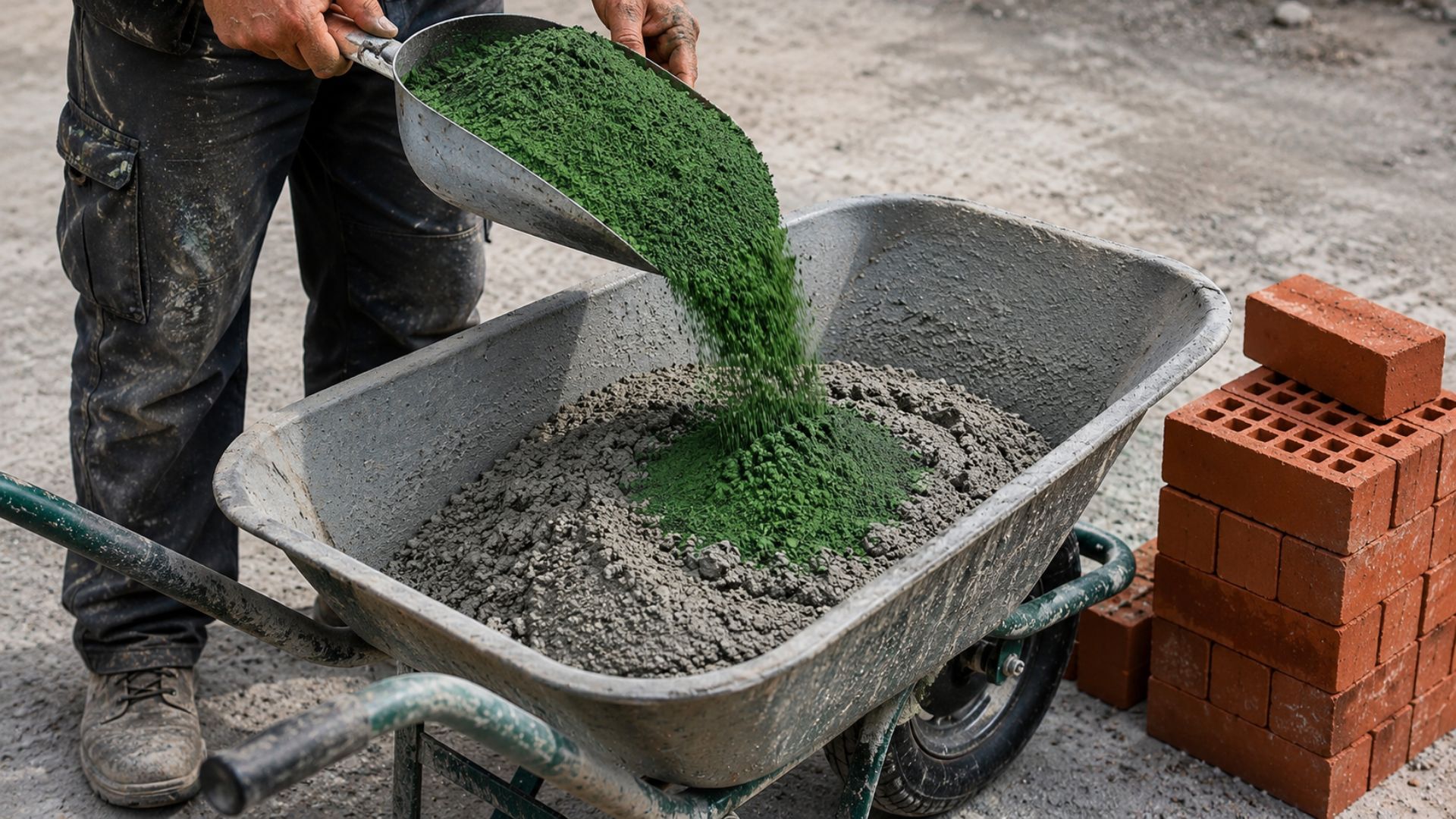
A homemade technique is going viral among construction workers throughout Brazil and promises to renew thick floors without needing to spend on tiles. All you need is AC3 mortar, burnt cement, and a bit of wood glue to transform the appearance of the house.

-
Seven mistakes in house construction show how design choices can lead to tiring stairs, duplicate kitchens, and extra work after moving in.

-
While Brazil has been discussing the Rio-São Paulo bullet train for 30 years, India drilled 14 km of rock at an altitude of 3,000 m and in June completed the largest bi-directional road tunnel in Asia.

-
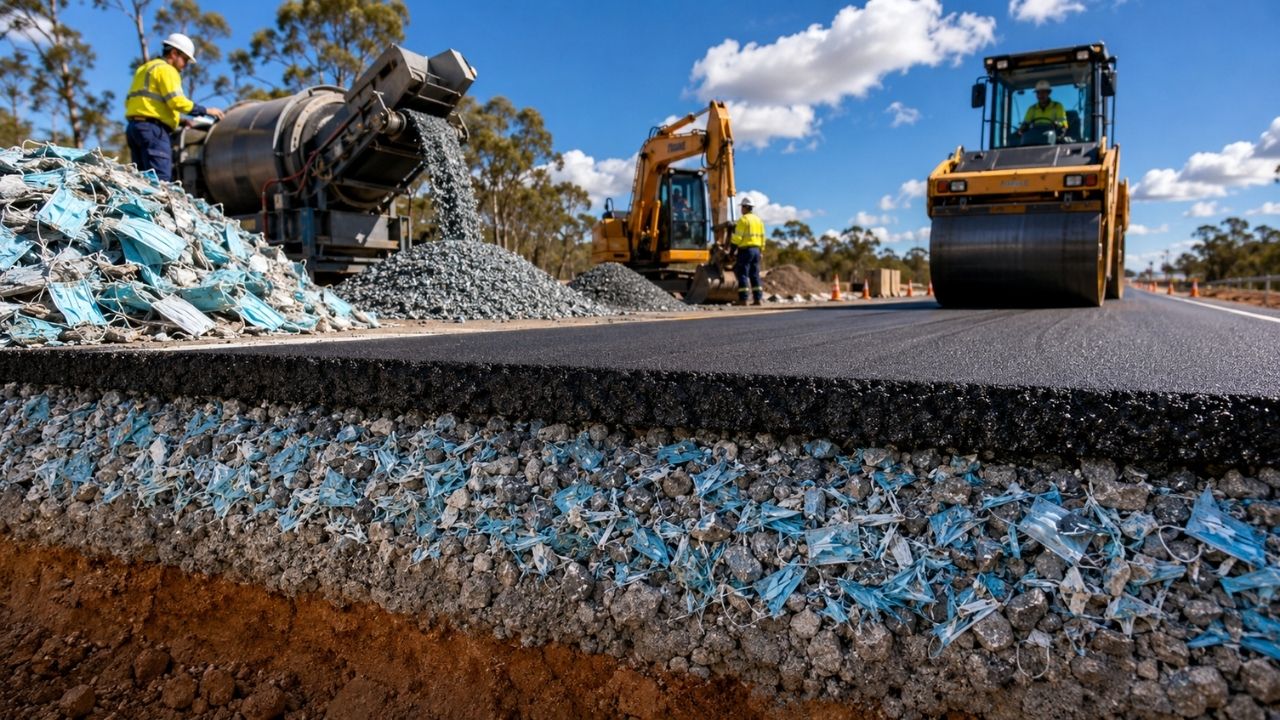
Disposable masks that would end up in the trash can become road base in Australia, where RMIT researchers mixed shredded PPE with recycled construction debris to create a material capable of using millions of units per kilometer of pavement.

- The construction company is responsible for engineering, technical controls, and physical and financial management of the project, with rigor and precision.
- The architecture acts with creativity, spatial strategy, and a faithful interpretation of the client’s briefing.
Thus, a “positive tension” is created, where teams complement each other. As a result, decisions become more balanced, conflicts of interest are reduced, and the agreed conditions are preserved, directly benefiting the client.
Why Design & Build is a Strategic Decision
For companies operating in retail, services, or corporate environments, Design & Build has ceased to be just a construction method. Currently, it is a business decision, especially during expansion cycles.
- Predictability and risk mitigation, as reworks are reduced and schedules become more reliable.
- Centralized management, with a single point of contact, which accelerates decisions and eliminates disputes between designers and executors.
- Speed of expansion, a decisive factor for store chains or companies with multiple units.
- Focus on core business, as the construction is fully under the responsibility of the construction company.
Consequently, the company maintains its focus on operations while execution occurs in a coordinated manner.
Technical Evidence Proves Model Gains
International studies published over the last decade reinforce the efficiency of Design & Build. A survey by the Construction Industry Institute (CII), developed with support from Penn State University, indicated that D&B projects showed 1.9% savings per square meter, as well as 2.4% lower cost growth. Additionally, projects were delivered up to 102% faster compared to the Design-Bid-Build model.
In the same vein, technical reports from the Federal Highway Administration (FHWA), released from 2015 onwards, showed that Design & Build infrastructure projects had an average of 14% reduction in total execution time and 2.6% reduction in costs, while maintaining an equivalent quality standard.
Case studies analyzed in North American universities also indicated 86% less rework, 27% more productivity, and 92% fewer pending items in the final delivery.
Brazil Advances Towards Integrated Solutions
In Brazil, although Design & Build is still in the expansion phase within the corporate sector, the outlook is favorable. The growing adoption of BIM, modular construction, and prefabrication, especially since 2020, indicates that the market is more prepared for integrated, efficient, and predictable models.
Therefore, for companies that build or renovate stores and offices, Design & Build represents a competitive advantage, reducing risks, accelerating deliveries, and generating real value for the business, allowing for sustainable growth and more secure decisions.
By: Daniela Lopes – Chief Sales Officer at We Are Group, a company specialized in executing high-standard corporate and commercial environments.








-

-

2 people reacted to this.