





Zippo, manufacturer of the windproof lighter in Bradford, Pennsylvania, turned the decline in cigarette consumption into record sales by becoming a collectible brand and diversifying into knives, candles, and camping products
The Zippo lighter is often remembered for nostalgia and its metallic click, but the most interesting thing about it is the business behind the metal can. The brand’s factory in Bradford, Pennsylvania, survived the decline of cigarettes in the United States by breaking sales records, making it a rare case of an industry that reinvented itself.
According to Forbes magazine, Zippo had its best years selling the product as a charm and collectible item, with over 200 million dollars in annual sales and 60% of revenue coming from abroad. The company exports to more than 180 countries and is the largest employer in its region, supporting an entire town.
Record years even with cigarette decline
The most counterintuitive data is commercial. According to Forbes, even with Americans smoking much less, Zippo recorded over 200 million dollars in sales, a record at the time, with revenue growing at 14% per year compounded over three years.
-
Brazilian Driver Accidentally Becomes Millionaire for 7 Hours, Returns $25 Million and Now Seeks $2.5 Million Reward in Court

-
McDonald’s Ice Cream Machines Often Break Due to a Single U.S. Manufacturer, Error Codes, and a Lucrative Repair Model

-
WD-40’s Secret Formula: How a $620 Million Business Thrives Without a Patent
-
Lonely? This Chinese humanoid robot with soft skin and AI offers 24/7 conversation and stress detection.


The secret was changing what the product means. The company stopped selling just a lighter and started selling an object of desire, collection, and gift, something more akin to a personalized belt buckle than a smoker’s item. The same report notes that 60% of sales come from outside the United States, with China alone accounting for 13% of revenue. Repositioning the brand saved the business.
The largest employer in the region
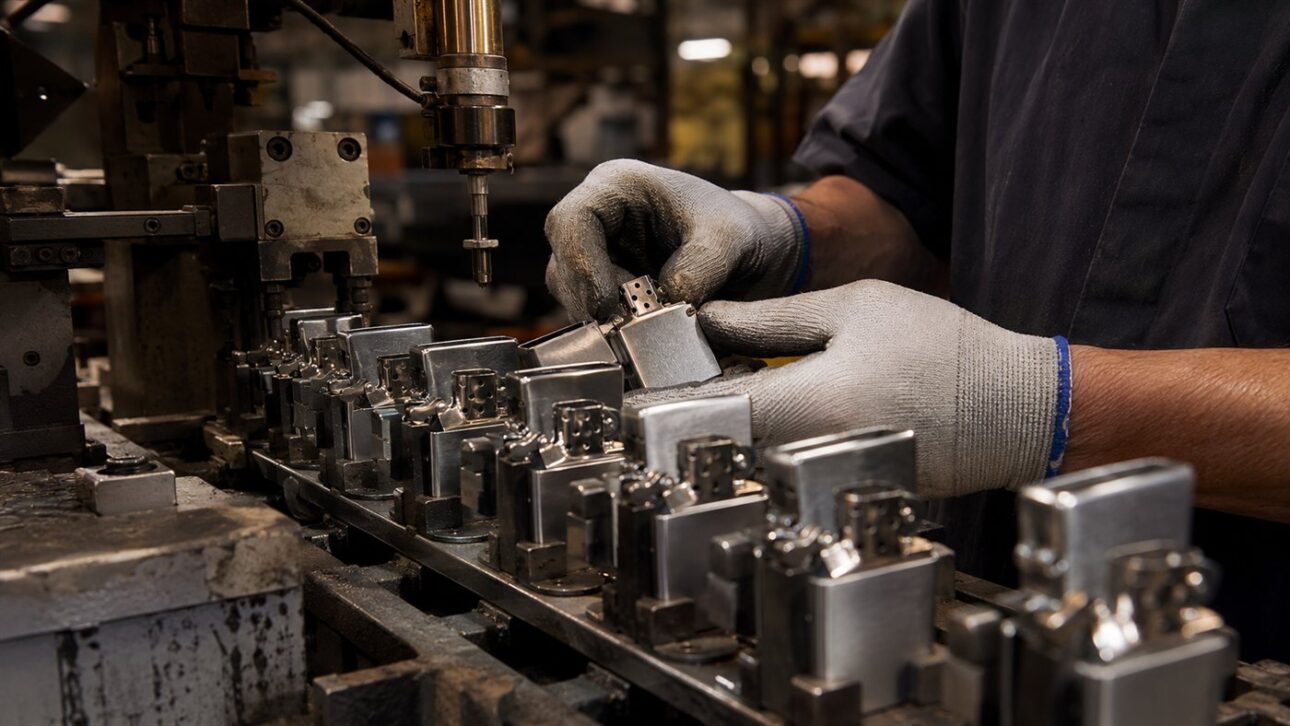
The economic weight of the factory in its town is enormous. According to Forbes, Zippo employs about 950 workers and is the largest source of industrial jobs in its region, in McKean County, Pennsylvania. It’s not a marketing detail; it’s the backbone of the local economy.
While much of the cheap manufacturing moved to Asia, Zippo kept production in the United States, in Bradford, turning “made in America” into a brand argument and a livelihood for thousands of families over decades. In a small town, a single factory of this size defines the job market for entire generations.
600 million lighters made in the same factory
The scale of production confirms the size of the operation. According to Zippo, the company manufactured its 600 millionth windproof lighter in 2020, all made in Bradford, just eight years after reaching the 500 million mark in 2012.
Maintaining a product with a practically unchanged design for almost a century is rare in an industry that thrives on novelty. This standardization is what allows for massive volume production, maintaining quality and still offering repairs for any unit, new or old. A Zippo from the 1950s and a current one are immediate relatives, and it is precisely this consistency that sustains the production line and the business model.
The lifetime warranty as a business strategy
The famous promise of free repair is not just goodwill, it’s commercial calculation. The lifetime warranty from Zippo itself, summarized in the motto “it works or we fix it free,” accompanies every pocket lighter from the brand since the company’s inception, which maintains in Bradford the workshop responsible for repairing any unit for free, regardless of the age or condition of the piece.
This policy turns a cost into an asset. A product that the factory repairs forever generates trust, loyalty, and spontaneous advertising that is worth more than any ad. The repair workshop in Bradford became part of the company’s identity and a reason for the customer to buy again and recommend. In a time of disposability, offering eternal repair is a market differentiator, not just a noble gesture.
From lighters to camping products and thousands of designs
To not rely solely on the lighter, the company diversified. According to Forbes, Zippo entered the camping products market, such as grills, stoves, and lanterns, starting in 2012, seeking new revenue sources beyond the classic lighter.
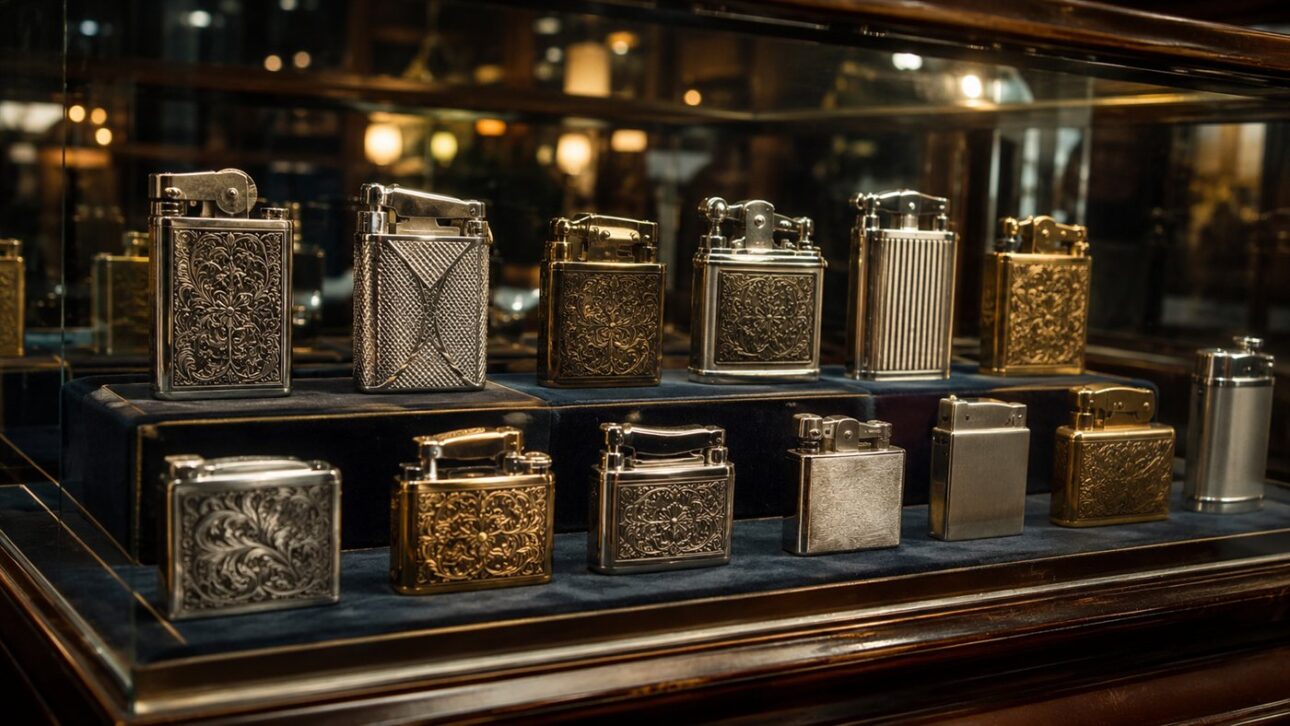
The variety became a revenue engine. According to Forbes, the company produced more than 30,000 unique lighter designs in just one year, a jump of 246% compared to a decade earlier, transforming the same basic product into thousands of different collectible and gift items. Transforming a brand of a single product into a portfolio of thousands of variations is what ensured survival in the face of declining cigarette use.
The collecting that became a market
Durability created a valuable parallel market. As the lighters last and feature period engravings, old models have become collectible items sought after by fans of the brand worldwide, and it is precisely this audience that Forbes describes when it says the company began selling charms and identity objects, not just lighters.
This closes a curious and profitable cycle: the same cheap pocket object becomes, decades later, a collectible item. The warranty and standardized production helped preserve millions of pieces in good condition, fueling this nostalgia market that reinforces the brand’s value. Few consumer products appreciate over time instead of becoming trash, and this is quite a commercial asset.
Why a lighter became a good business case
In the end, the story of Zippo is less about nostalgia and more about how an old industry can reinvent itself. Faced with a declining market, the company repositioned the brand, diversified the products, kept the factory in the United States, and used the lifetime warranty as a loyalty tool, all while sustaining the economy of an entire city.
It is proof that a simple product, with a good strategy, can endure even when its original use declines. Next time you hear that metallic click, remember the business model behind it. Did you imagine that a lighter could sustain a city and break records precisely when fewer people smoke?


