Portuguese
  Spanish


NordVPN survey shows that Brazilians stay online for more than 68% of the country’s average life expectancy.
The internet has transformed the way people work, study, consume information, and maintain relationships.
In Brazil, this digital presence has reached a significant level, according to a survey released by NordVPN in April 2026.
According to the survey, each Brazilian spends, on average, 52 years, 9 months, and 16 days connected to the internet over their lifetime.
-
German Printing Machine Manufacturer Dominates Over 40% of Global Offset Press Market

-
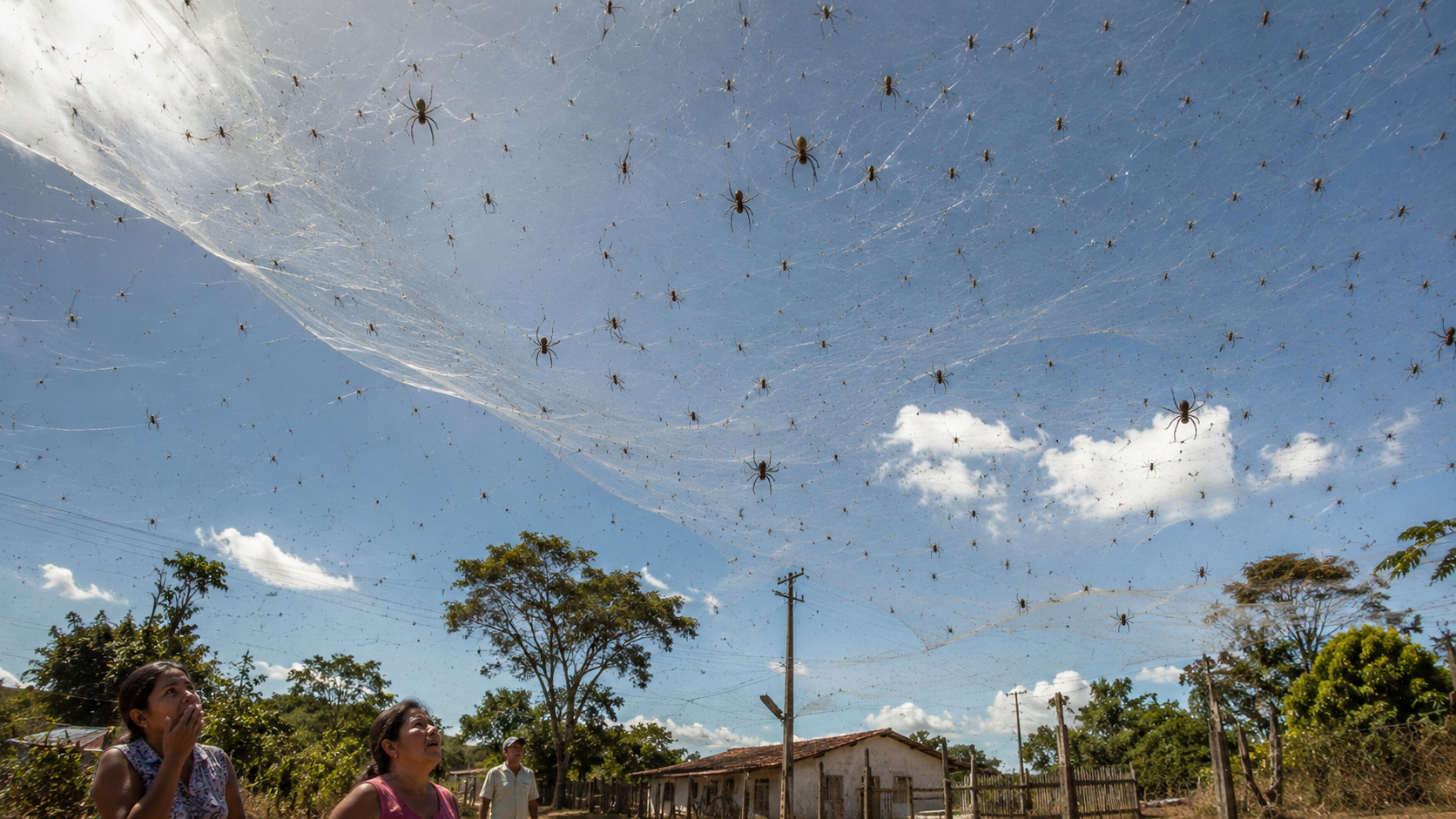
Rare Phenomenon in Brazil: Hundreds of Spiders Appear Suspended in the Sky, Astonishing Residents with Giant Webs

-
After 53 Years, the U.S. May Reopen Skies to Supersonic Passenger Jets, but Success Hinges on Quiet Technology and Overcoming Challenges That Grounded the Concorde

-
China Overhauls Universities, Cuts 12,200 Outdated Courses to Focus on AI, Robotics, and Chips as 12.7 Million Young People Enter Workforce



The life expectancy considered in the study is 76 years. Thus, the online period represents more than 68% of the entire existence.
The survey interviewed more than 20,000 users in 20 countries and placed Brazil in the first position of the world ranking.
Brazil leads online life time ranking
The survey shows that Brazil appears ahead of countries known for their strong digital technology presence.
Mexico occupies the second position, with approximately 43 years of connected life.
Lithuania follows, with 31 years. Australia and Sweden record an approximate average of 30 years.
South Korea and Spain present 29 years. The United Kingdom, Finland, and Ireland appear with 27 years.
The ranking released by NordVPN presents the following results:
- Brazil: 52 years
- Mexico: 43 years
- Lithuania: 31 years
- Australia: 30 years
- Sweden: 30 years
- South Korea: 29 years
- Spain: 29 years
- United Kingdom: 27 years
- Finland: 27 years
- Ireland: 27 years
- Poland: 26 years
- Italy: 26 years
- Netherlands: 25 years
- Canada: 25 years
- United States: 25 years
- Switzerland: 25 years
- Germany: 24 years
- France: 23 years
- Austria: 23 years
- Japan: 20 years
Japan occupies the last position on the list.
The country’s residents spend, on average, 19 years, 6 months, and 29 days connected to the internet over their lifetime.
Connected time increased by 11 years since 2022
The survey also compared the results of 2026 with the numbers recorded in 2022.
In that year, the last World Cup took place. Brazil was eliminated by Croatia in the quarterfinals after a penalty shootout.
The average online lifetime of Brazilians increased by 11 years since that edition of the survey.
This increase was the largest among all the countries evaluated.
Japan appears right after, with a growth of nine years.
Sweden occupies the third position in the comparison, after recording an increase of eight years.
Some countries showed a reduction in the average time spent on the internet.
South Korea, Italy, and France had decreases of five years. Germany recorded a decrease of one year.

Cell phones concentrate Brazilian access
NordVPN also analyzed which devices are used to access websites, social networks, and other digital platforms.
In Brazil, 91% of respondents use smartphones to browse the internet.
This was the highest percentage recorded among the 20 participating countries.
The country also leads in the professional use of computers and laptops.
In total, 38% of Brazilian respondents access the internet via computer during work.
The numbers reinforce the importance of mobile devices in the digital routine of the population.
Computers, in turn, remain relevant for professional activities and other tasks performed online.
Brazilians share personal information on the internet
The survey also investigated which personal information is disclosed by users in digital environments.
Among Brazilians, 63% stated they share their address and relationship status.
This was the highest proportion recorded among the countries analyzed.
The date of birth also appears among the most disclosed data.
According to the survey, 78% of Brazilian respondents share this information on the internet.
The digital presence in the country, therefore, involves long periods of connection and extensive exposure of personal data.
What do the numbers reveal about the digital routine?
The results show that the internet occupies a significant portion of Brazilians’ lives.
Websites, social networks, and other platforms have become part of personal, professional, and entertainment activities.
Brazil surpassed Mexico, South Korea, the United States, Japan, and other nations evaluated by the research.
The amount of personal information shared also draws attention to the habits adopted in the digital environment.
Do you believe that spending more than 52 years connected represents technological evolution or an excess in the digital routine? Share your opinion!