Portuguese
  Spanish


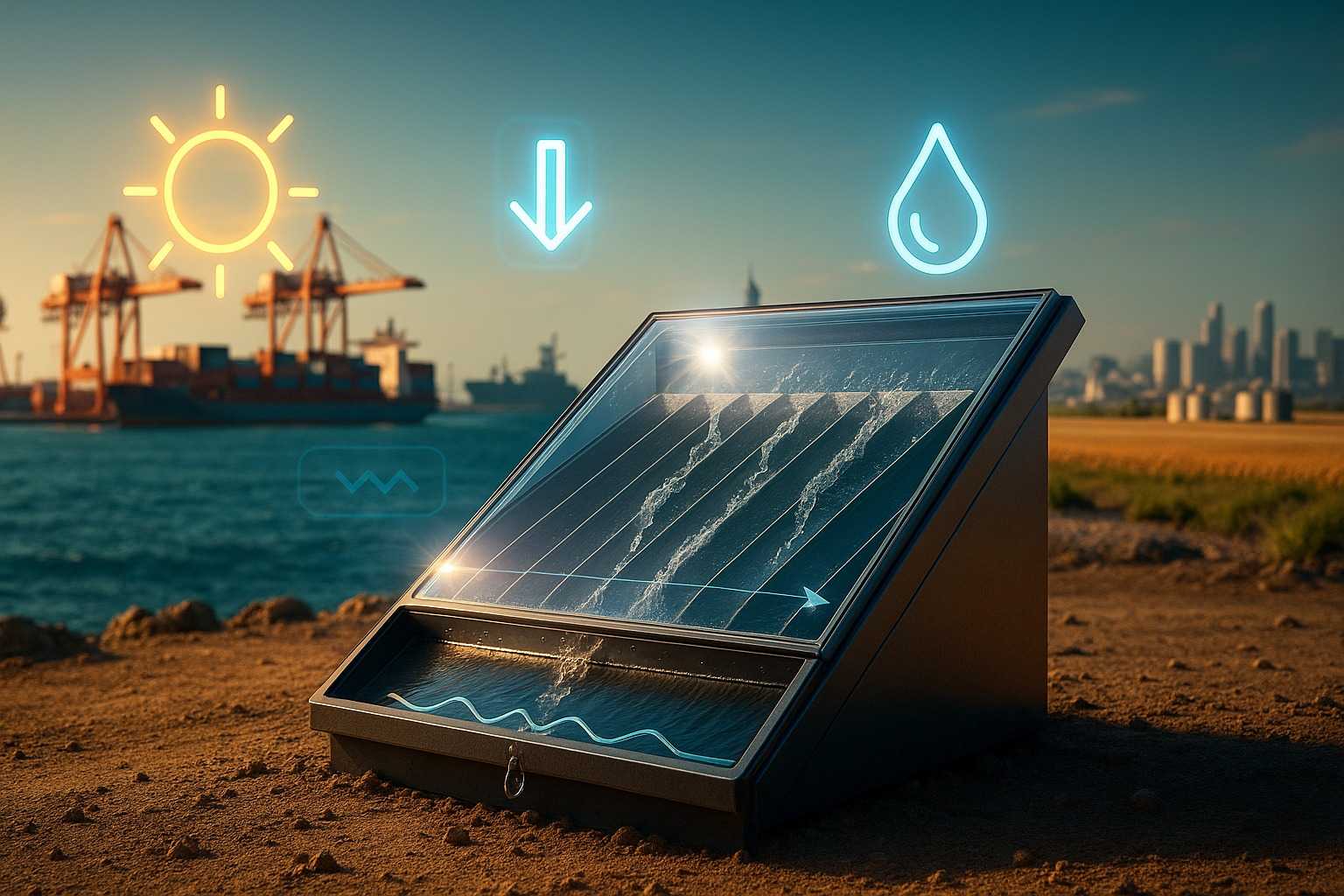


New Device from UNIST Uses Solar Light and Perovskite-Based Thermal Material to Generate Potable Water Continuously and Sustainably
A research team from UNIST has introduced a solar desalination technology that transforms sunlight into drinking water without using external electricity. The system aims to tackle water scarcity in various regions of the world with a more efficient and sustainable process.
In addition to not relying on electric power, the innovation addresses a recurring challenge in these devices: the accumulation of salt on the surface, which typically reduces performance over time.
Project Led by Energy Engineering Expert
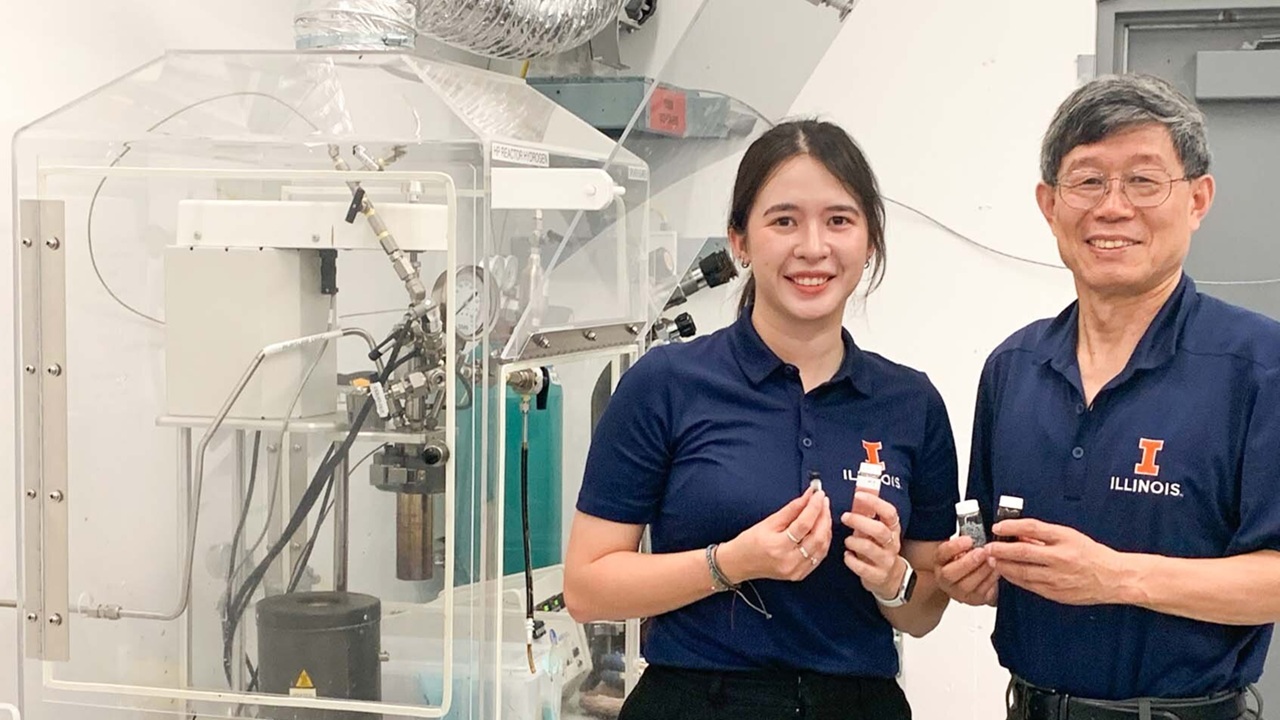
The development was led by Professor Ji-Hyun Jang from the School of Chemical and Energy Engineering at UNIST. According to him, the proposal combines efficiency and durability, crucial factors for application in developing countries facing water shortages.
-
How Much Does Starlink Satellite Internet Cost for Cars, Trucks, and RVs? Prices for Antenna, Accessories, and Plans

-
Scientists Convert Food Waste into Aviation Fuel, Successfully Test 50% Blend with Conventional Kerosene to Cut Emissions and Promote Sustainable Flights
-
OnePlus N6 Smartphone to Launch in India with 8,000mAh Battery and 45W SuperVOOC Charging, Lasting Up to Three Days
-
Scientists Plan to Release Air Bubbles Underwater to Protect Antarctica’s “Doomsday Glacier” from Melting




The study was published in the scientific journal Advanced Energy Materials and details the structure and results obtained from the new system.
L-Shaped Structure and Advanced Thermal Material
The core of the device is a solar evaporator built with a Lshaped structure made of paper.
This paper draws seawater by capillary action to the top, where it is heated by a thermal material called La₀.₇Sr₀.₃MnO₃ (LSMO), a perovskite-based semiconductor that achieves high thermal efficiency.
Thanks to this material, the water evaporates 8 to 10 times faster than traditional methods.
The L-shaped design also ensures that salt ions migrate to the edges, where they crystallize without blocking the evaporation area.
High Efficiency and Proven Durability
The technology recorded an evaporation rate of 3.40 kg m⁻² h⁻¹ (around 3.4 liters per hour), exceeding the 0.3 to 0.4 kg/m²/h observed in common devices under natural sunlight.
In tests with concentrated saline solutions at 20% salt, the equipment maintained stable operation for two weeks, showing superior resistance compared to seawater.
Sustainable Solution for Water Scarcity Regions
The lead author of the study, Dr. Saurav Chaule, highlighted that the design even allows for the collection and reuse of the salt formed at the edges while generating potable water cleanly and continuously.
Professor Jang stated that the system, being economical, scalable, and free from energy consumption, represents a viable and innovative alternative to address the global water scarcity crisis.