





 Portuguese
  English
  Spanish
  3 min of reading


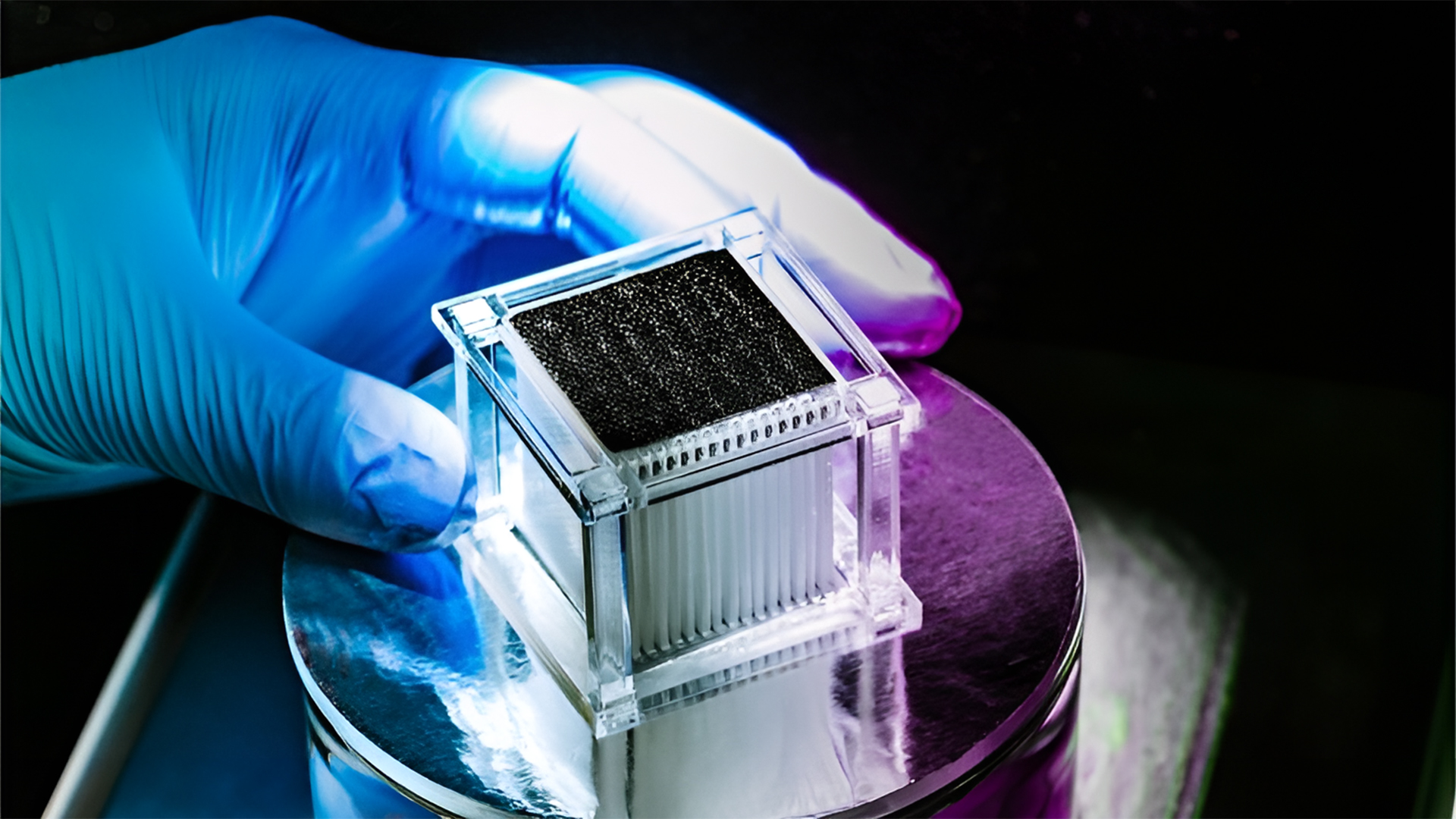
Scientists Create Solar Distillation Device Capable of Purifying Water Obtained Directly from the Red Sea, as Well as Brine Produced by Reverse Osmosis Facilities, with Salinity Over 10%.
The solar distiller, which can purify 10 to 20 liters of water per day, was invented by Professor Qiaoqiang Gan, who currently works at King Abdullah University of Science and Technology in Saudi Arabia.
At the time of its creation, there was a problem, as there always seems to be with water desalination systems: over time, salt accumulates on the absorbing material, reflecting sunlight and causing the system’s efficiency to decrease. After that, he shifted gears and began focusing on hydrophobic surfaces and methods that utilize fluid convection to reduce the amount of mineral formation.
Now, the group has revealed the first significant achievement resulting from the use of this new strategy: a solar distillation system capable of purifying water obtained directly from the Red Sea, as well as brine produced by reverse osmosis facilities that contains more than 10% salt.
-
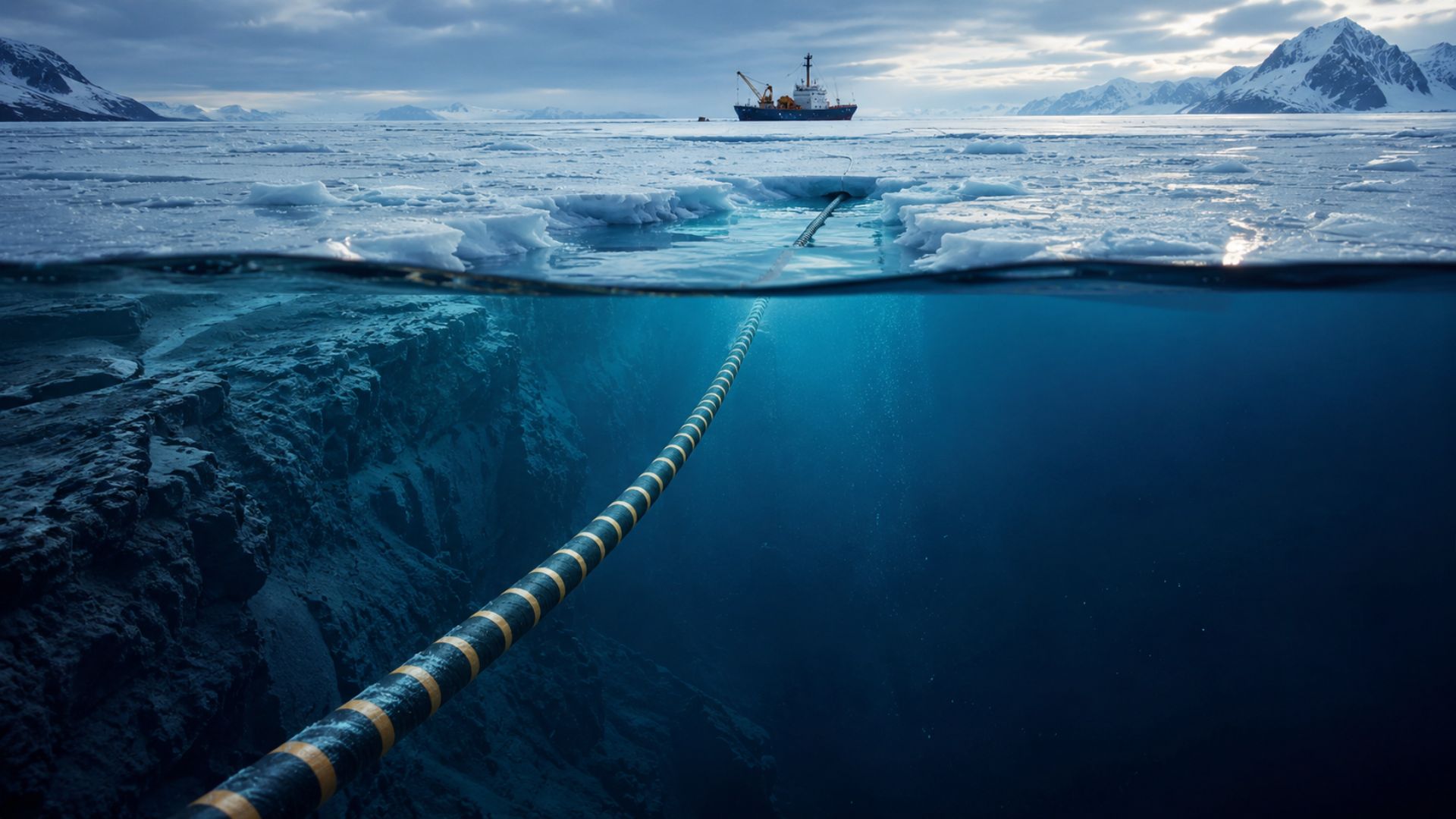
For the first time in history, a submarine cable will descend to four thousand meters deep under the ice of the North Pole to ensure that the internet between Europe and Asia no longer depends on conflict zones in the Middle East.

-
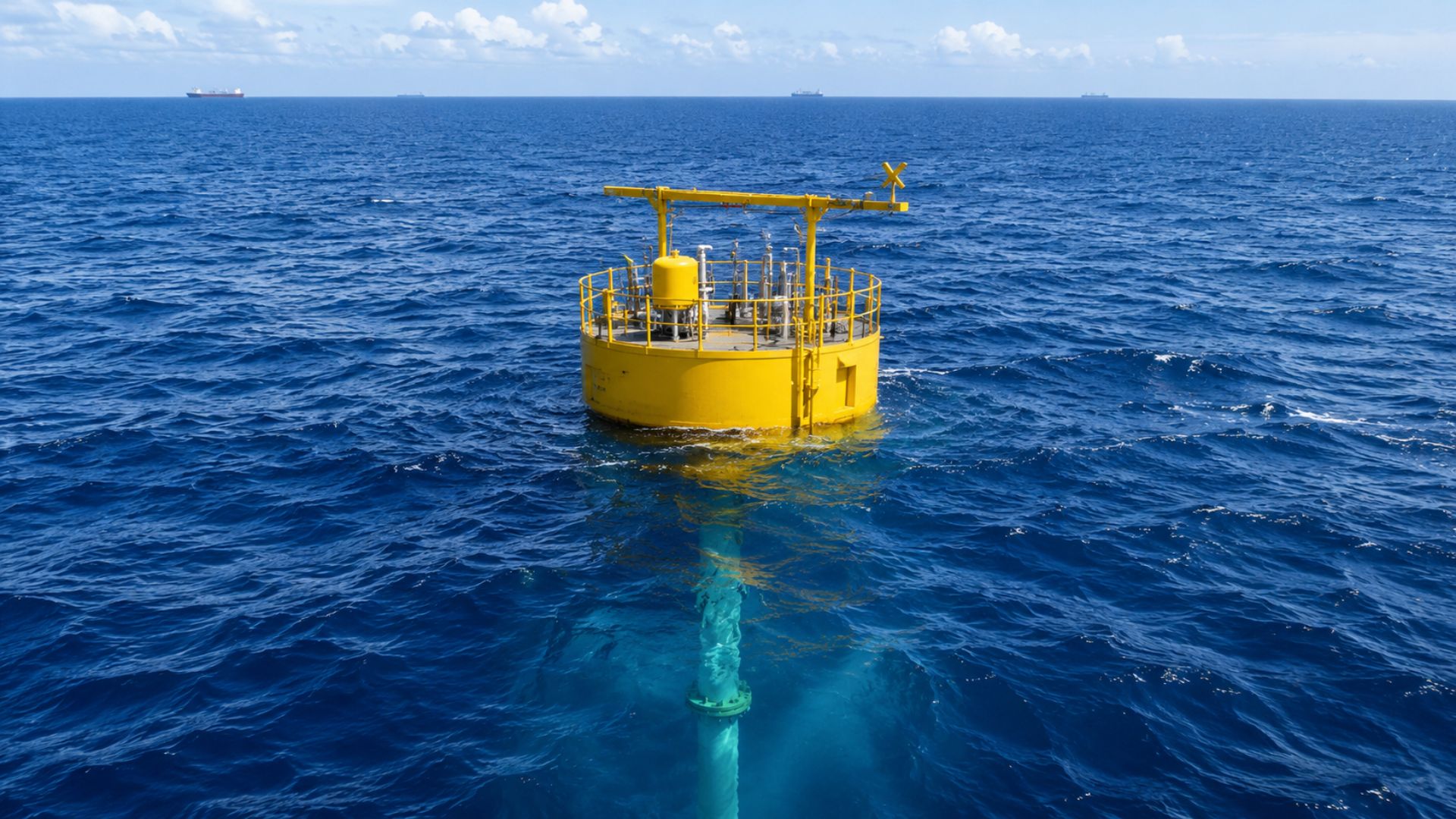
A British company has installed in the middle of the ocean the world’s first floating platform that generates electricity 24 hours a day from the temperature difference between the surface and the depths of the Atlantic, without relying on wind or sun.
-
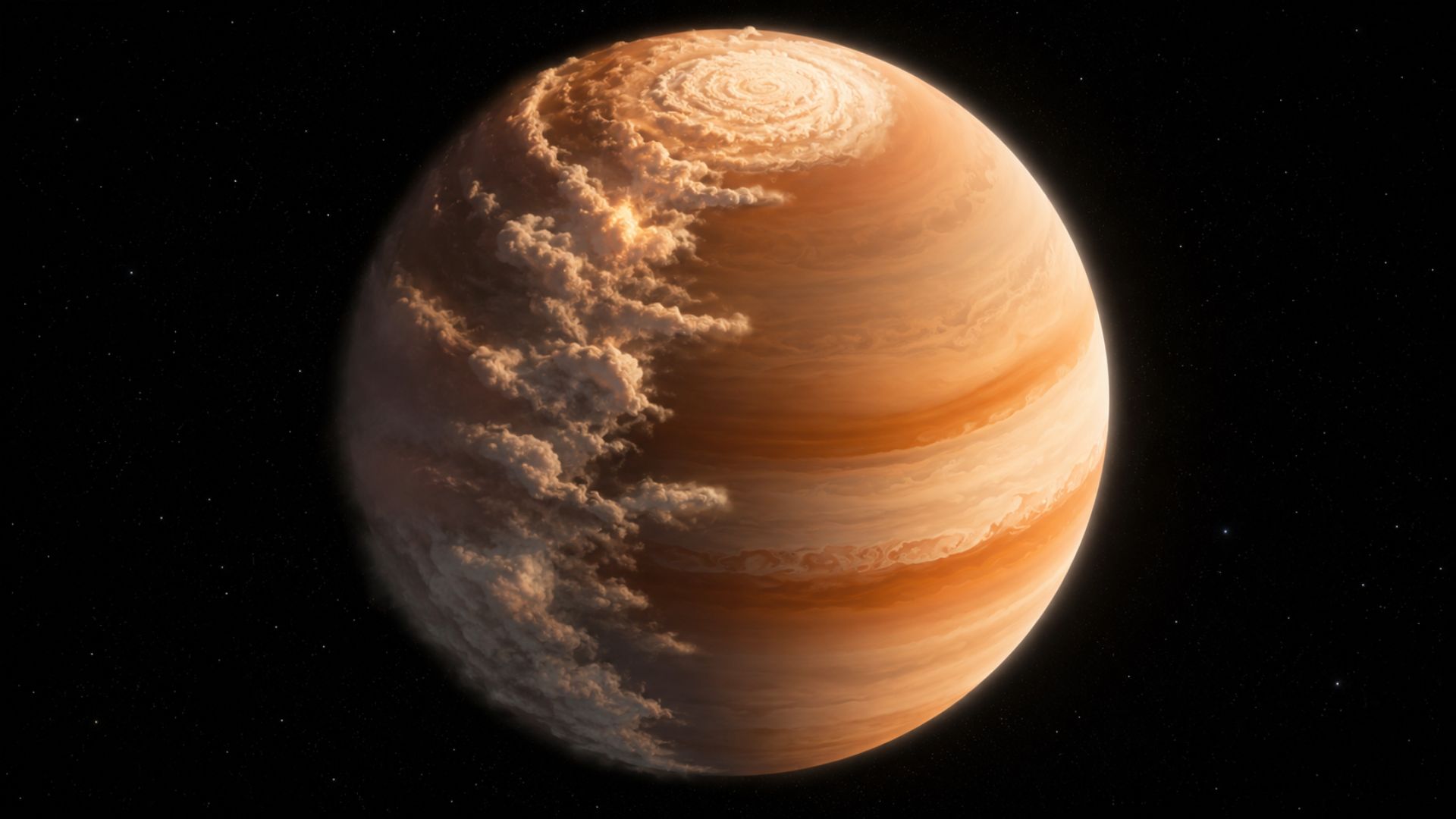
The James Webb telescope spotted a planet 700 light-years from Earth with mornings full of sand clouds and nights with clear skies, the temperature difference between the two hemispheres reaches an impressive 170 degrees.
-
A former Hong Kong police officer has just become the first astronaut from her city to go to space. She embarked on the Shenzhou-23 mission alongside two other colleagues who will face muscle atrophy, radiation, and prolonged fatigue in orbit.

The technique is capable of producing twice as much fresh water as solar distillers developed so far, and it maintains its efficiency over time.
The new solar evaporator is cube-shaped and only a few centimeters on each side, made of plastic. Inside, it contains numerous fiberglass membranes, which are very fine mesh materials that are often used for filtration.
The top surface of the cube has a light-absorbing layer made up of a horizontally aligned membrane coated with carbon nanotubes. This type of absorption is known as photothermal rather than photovoltaic. The solar absorber is kept separate from the saline water being introduced into the system by a series of vertically oriented membranes known as “mass transfer bridges.”
The Solar Distiller Has Undergone a Series of Internal and External Tests, and the Results Showed That It Is Capable of Meeting the Daily Water Needs of Two People, with an Estimated Raw Material Cost of US$ 50 per Square Meter
These bridges have hydrophilic microchannels that draw saline water to the upper solar layer, where it is then distilled into vapor, a process that occurs within the bridges. When the salt accumulation level exceeds a certain limit, the capillary action caused by concentration gradients makes these microchannels carry the brine back to the saline water.
In turn, the taller bridges allow the conductive heat generated during the salinity reflux to move to the solar distiller, increasing the amount of water that is evaporated. “Other evaporators can achieve good salt rejection, but with a short reflux process, there is a lot of thermal energy loss, which affects water generation rates,” said Kaijie Yang, who designed the new evaporator. “The new evaporator has a much more efficient heat transfer system, which reduces the amount of thermal energy lost.”
The developers claim that by connecting a large number of cubes, they can scale up to a larger architecture. The new solar distillation device is being prepared for commercialization, as it has proven capable of operating long-term without the need for maintenance.







Be the first to react!