





 Portuguese
  English
  Spanish
  4 min of reading
  0 comments


With a Density Exceeding 23,000 Inhabitants/km², Dhaka Faces Flooding, Collapsed Traffic, and Urban Pressure, Becoming One of the Most Compressed Megacities in the World.
Dhaka, the capital of Bangladesh, has long topped the lists of the most densely populated cities on the planet. While most of the world knows the city only through headlines about seasonal flooding and extreme traffic, what truly impresses is the array of socioeconomic, geographical, and demographic factors that have transformed this megacity with over 23,000 inhabitants per square kilometer, according to estimates compiled by international demographic institutes in a living study on the limits of accelerated urbanization in middle-income countries.
Dhaka is not just compact. It is vibrant, chaotic, productive, and adaptive, attracting massive daily flows of migrant workers from all over Bangladesh, especially from rural areas seeking jobs in the textile industry, services, and construction. This continuous movement of incoming population is one of the key components influencing urban morphology and helps explain why density is not just about numbers — it changes the way the city breathes, circulates, and responds to its environment.
Dhaka, Bangladesh, and the Demography of Density
When global institutions like the World Population Review, UN-Habitat, and the World Bank analyze Dhaka, the pattern is clear: it is one of the most compressed urban territories ever documented on a national scale.
-
Mr. Severino started working at the age of 6, became an orphan without knowing his parents, and spent 9 decades without studying; he went on stage, received his diploma, and starred in one of the most emotional graduation ceremonies in Brazil in 2026.

-
China built a 300-meter, 40,000-ton horizontal building, hoisted it to a height of 250 meters, and impresses with a suspended building that features a panoramic viewpoint, gardens, restaurants, and an infinity pool in Chongqing.

-
Can a car in someone else’s name become a problem? Understand when driving is allowed and when enforcement can complicate everything.

-
A street cleaner who earns R$ 2,100 per month put her cell phone aside for a few minutes and returned to find a Pix transfer of R$ 203,000 mistakenly deposited into her account, an amount that, according to her, she wouldn’t be able to save even if she worked for a hundred years.



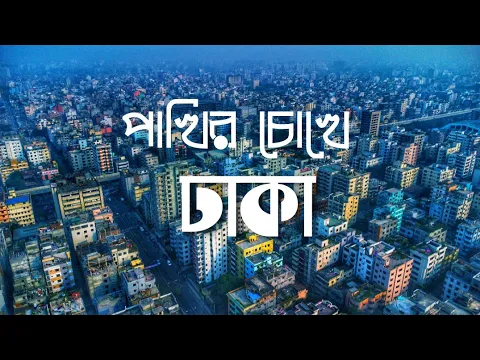

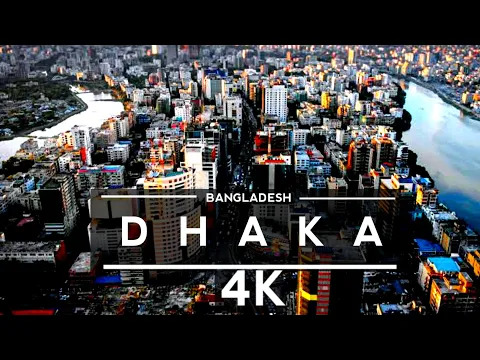
With over 10 million inhabitants in its expanded metropolitan area, Dhaka concentrates populations in neighborhoods where buildings arise close to one another, narrow streets become corridors for human circulation, and the mix of services, commerce, and residences creates a hyperactive urban ecosystem.
The causes of this density are multiple:
• Rapid population growth over the past decades
• Rural exodus driven by industrial opportunities
• Limited urban land for horizontal expansion
• Compressed historical infrastructure, inherited from the colonial period
• Centralization of services and jobs
The result is a constant pressure on urban land. Geography does not help: Bangladesh is a country of floodplains between the Ganges, Brahmaputra, and Meghna rivers, which limits available land and increases expansion costs.
Infrastructure Under Pressure: Traffic, Flooding, and Limited Mobility
If demography defines the landscape, daily infrastructure is where density really manifests.
Mobility and Congestion
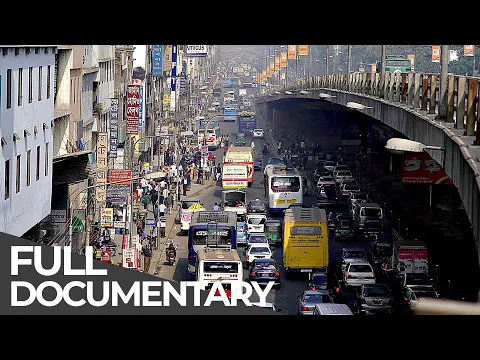
Traffic in Dhaka has become internationally known for its slowness. The historical absence of a subway (now in the initial stages of implementation), the high dependence on buses, tuk-tuks, and rickshaws, and the concentration of activities in few hubs turn commuting time into a daily challenge — for both residents and the productive sector.
Flooding and Monsoons
The rainfall regime affects Dhaka every year. During the monsoon season, overloaded drainage systems and accelerated urban densification result in flooding that:
• compromises mobility
• affects commerce
• pressures public health
• damages electrical and road infrastructure
It is important to point out that Dhaka is not alone: cities like Mumbai, Manila, and Jakarta face similar challenges, to varying degrees.
Compressed Public Services
With elevated density, safety, water, energy, and health need to serve a volume of users growing faster than the built infrastructure. This asymmetry explains why some older urban areas coexist with a irregular supply network, while new neighborhoods emerge rapidly, driving up real estate costs.
The Economy That Works Despite the Chaos
The most impressive aspect is that Dhaka does not stop. The city is the economic heart of the country, responsible for:
• a significant portion of the textile industry — one of the largest hubs in the world
• an expanding ecosystem of technology and financial services
• thousands of small businesses, micro-enterprises, and informal markets
• logistical connections with the port of Chattogram
• university and technical centers that train local labor
While many dense cities suffer recession and exodus, Dhaka attracts, produces, and exports — establishing an interesting urban paradox: a compressed capital that functions as the national economic engine.
Megaprojects and Attempts at Urban Decompression
In recent decades, Dhaka has started urban modernization processes that include:
• construction of light metro lines
• new BRT corridors
• vertical housing programs
• improvement of highways and overpasses
• expansion of industrial zones beyond the metropolitan core
These investments are an attempt to “decentralize” urban life, bringing Bangladesh closer to models adopted in countries like Vietnam and Indonesia, where the state seeks to balance population flow and redistribute jobs.
Dhaka is a rare case: a compressed urban organism that has grown faster than any planning could anticipate. The density is impressive, but what truly defines the experience is the constant human flow of people circulating, working, shopping, studying, and daily reconstructing the capital.
Ultimately, Dhaka is more than just a density statistic: it is a living laboratory on the limits and possibilities of urbanization in emerging countries, and one question remains:
How will such a compressed megacity manage to expand without losing its ability to function?





-

-

-

-

9 people reacted to this.