Portuguese
  Spanish


Congested Intersections Are Places Where the Risk of Accidents Increases Drastically, Mainly Due to Distractions, Rush or Lack of Attention to Traffic Rules. Small Actions Can Prevent Serious Collisions.
Intersections are critical points in urban traffic. When congested, the risk of collisions increases considerably.
The most important thing is that these accidents often involve side impacts, the so-called T-bone collisions.
This happens because the sides of the vehicle offer less protection to the driver and passengers. Therefore, it is essential to adopt habits that reduce the chances of accidents in these locations.
-
Renault Kwid Outsider 2023: Affordable Used Hatchback with 1.0L Engine, 15.7 km/l Efficiency, and Ample Cargo Space for Around $11,000

-
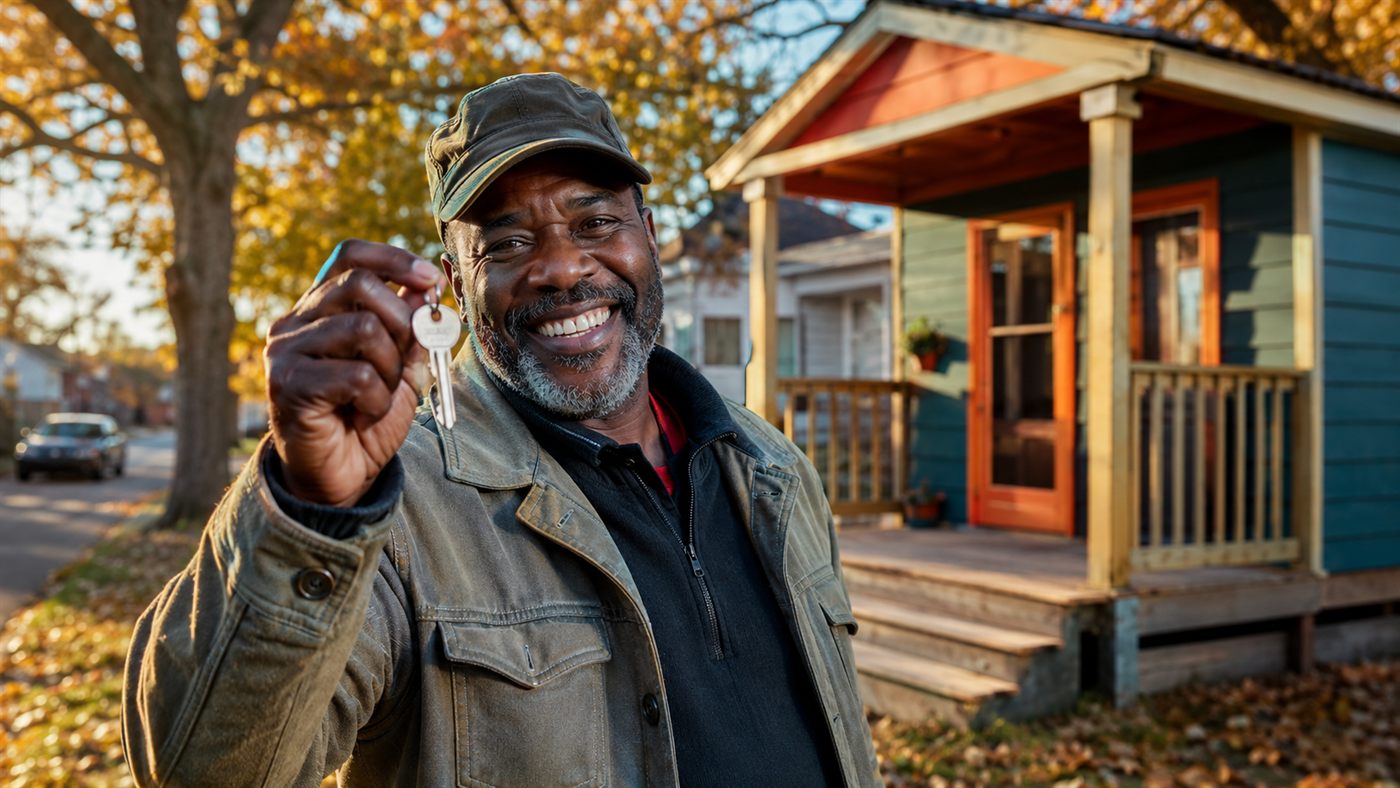
Chevrolet SUV Offers 153 hp Engine, 620 km Range, and ADAS Features at a Lower Price Than a New Kwid

-
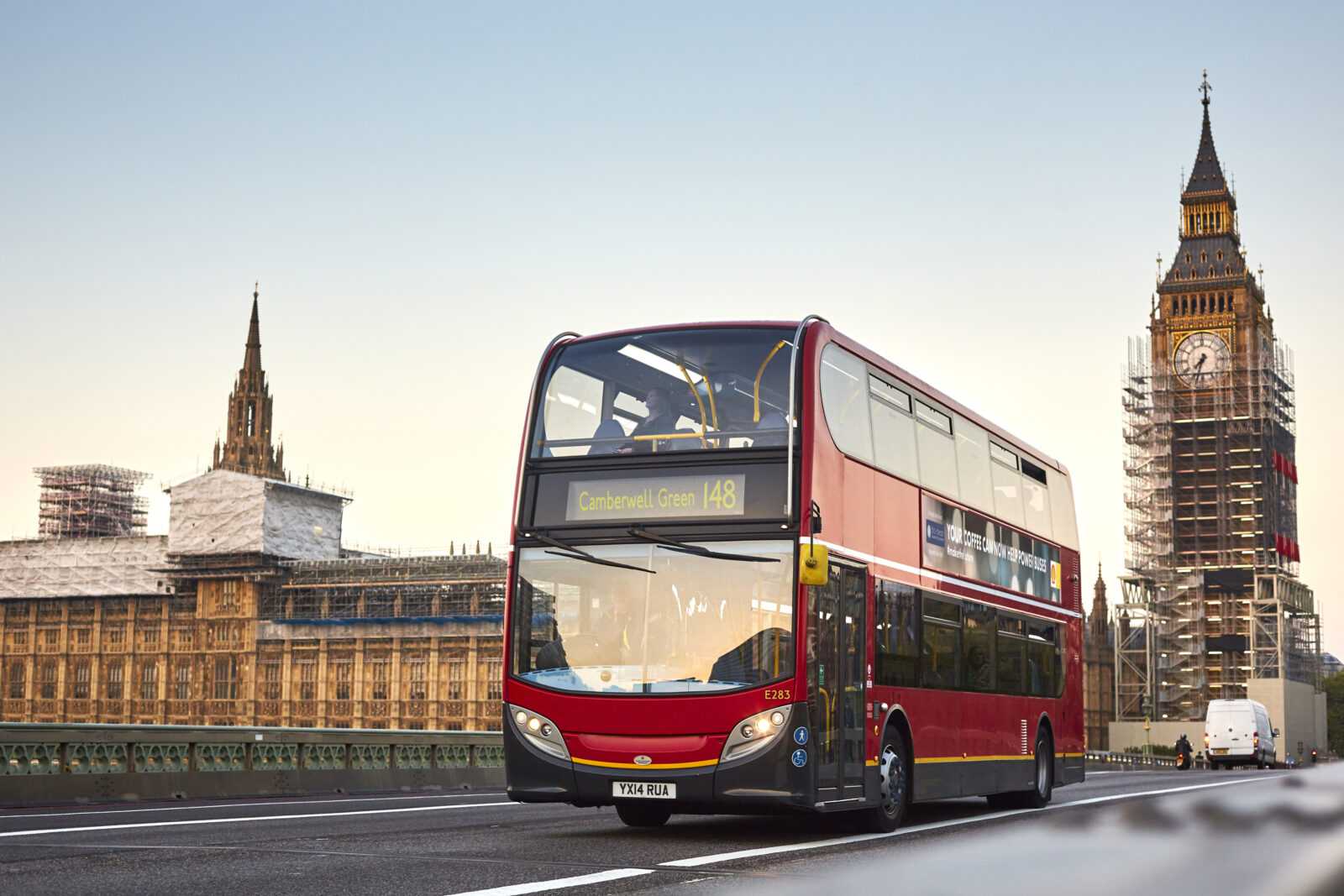
London buses run on biofuel made from coffee grounds, turning café waste into sustainable public transport fuel without engine modifications.

-
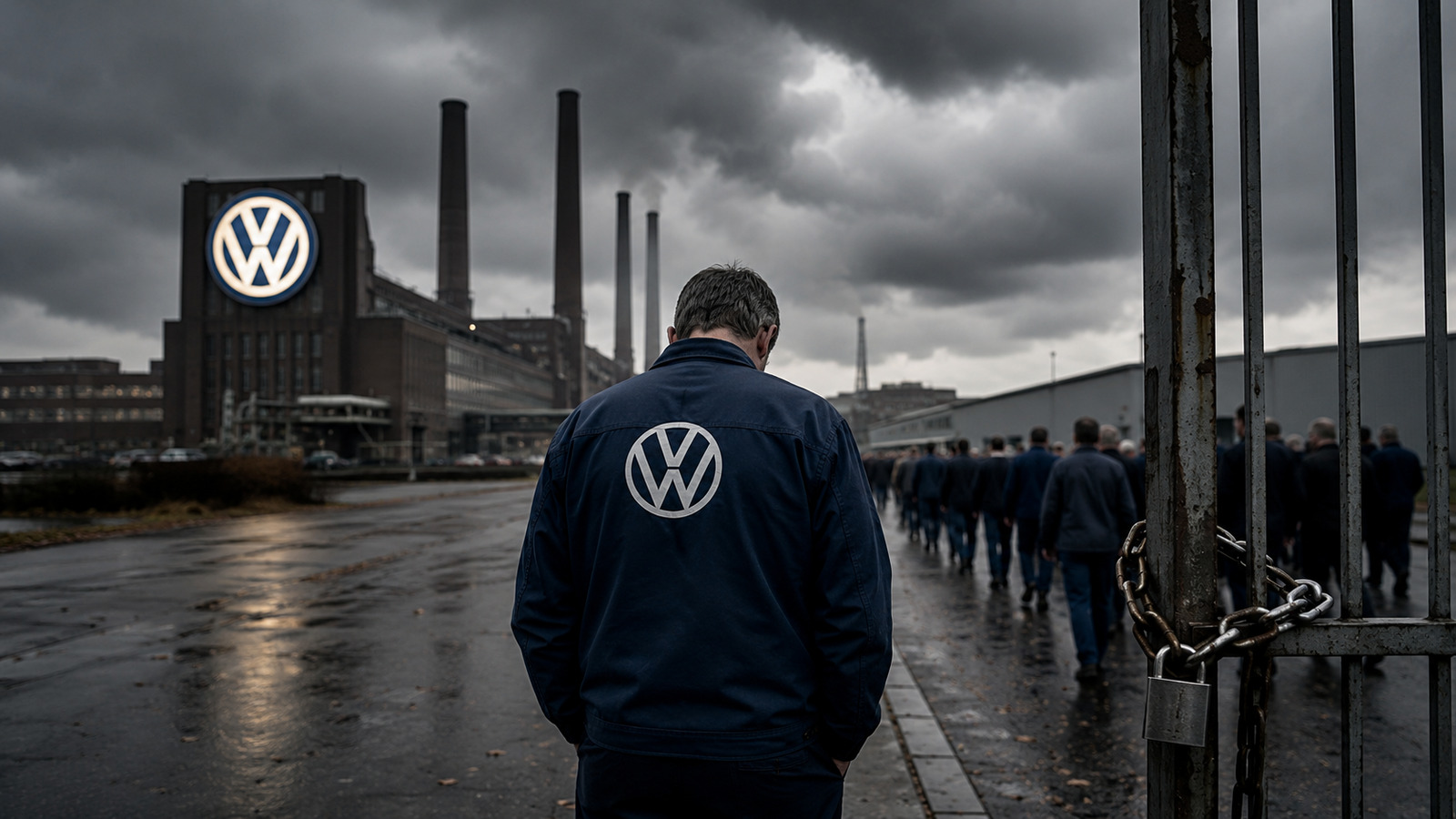
Major Automaker Considers Closing 4 Factories, Putting 45,000 Jobs at Risk Amid Chinese Competition in Brazil


Below are five practical tips to increase your safety in congested intersections.
Avoid Driving Distracted
Staying focused behind the wheel makes all the difference. Using your phone, programming the GPS, changing music, or even eating while driving are risky behaviors.
In crowded intersections, any second of distraction can be fatal. Reaction needs to be quick, and that only happens when attention is fully on driving.
Therefore, before adjusting mirrors, looking for an address, or responding to messages, park safely. If there is a passenger, ask for help.
They can handle navigation or answer calls. This way, you keep your eyes on the road and reduce the chance of making hasty decisions.
Don’t Rush Through a Yellow Light
You are approaching an intersection, see the green light and accelerate. Suddenly, it turns yellow.
At that moment, many people try to cross quickly, believing there is still time. This decision, however, can be costly.
Each traffic light has a different duration for the yellow light. You may not be able to cross in time, and the light could turn red before you exit the intersection.
This creates space for cars from other lanes to advance, which can lead to severe collisions. In addition, pedestrians may start to cross.
The safest action is always to brake smoothly when the light turns yellow.
Maintain a Safe Distance
Tailgating the car in front is a dangerous behavior.
In congested intersections, vehicles stop frequently and unpredictably. If you are too close, you will not have time to brake if the car in front suddenly stops.
Leaving enough space between vehicles ensures that you can react more calmly and safely.
This distance also helps avoid abrupt maneuvers and reduces the risk of chain accidents. Patience in these moments can prevent many problems.
Overtake With Caution
When it is necessary to change lanes or overtake another vehicle, do so with care.
Many drivers cut others off in a hurry without maintaining a safe distance. This behavior can trigger aggressive reactions or, worse, cause an accident.
A simple tip is to wait about three seconds before returning in front of the overtaken car. This rule helps to prevent you from getting too close to the other vehicle.
In busy intersections, the lack of space and the rush make overtaking even riskier. Caution is the best choice.
Practice Defensive Driving
Defensive driving means driving in a way that anticipates risks and prepares for them.
This involves observing not only the car in front but the entire environment around you. Paying attention to other vehicles, pedestrians, potholes, or objects on the road can prevent scares.
If a car in front swerves to avoid an obstacle, you need to be prepared. By observing traffic with broad attention, you anticipate unexpected events. And if something unexpected happens, your response will be quicker.
Another important action is to stay calm. Stressful situations at congested intersections are common.
Someone cuts you off, honks, or acts aggressively. Reacting with aggression only increases the risk. Controlling emotions avoids unnecessary arguments and accidents.
Training Can Make a Difference
Some companies offer defensive driving courses. In these trainings, drivers learn practical techniques to act in adverse situations.
Knowing how to maintain control of the car under pressure or how to react to real risks can make all the difference.
Therefore, if possible, invest in this type of learning. The classes teach how to recognize traffic behavior patterns, anticipate other drivers’ movements, and make safer decisions in stressful moments.
Keep Your Vehicle in Good Condition
Besides actions behind the wheel, vehicle maintenance also influences safety. Worn tires, faulty brakes, or burned-out lights increase the risk of accidents.
Intersections require quick responses, and the vehicle needs to be in perfect condition to ensure this.
Perform periodic maintenance. Replace worn parts. Check brakes, tires, alignment, and electronic systems. Many of these items are still covered by the factory warranty, depending on the model and usage time. Ignoring a small problem today can lead to an accident tomorrow.
And If an Accident Happens?
Even with all precautions, accidents can still occur.
In these situations, the most important thing is to ensure the safety of all involved. Call emergency services, signal the location, and if there are injured parties, do not move the victims without medical guidance.
After ensuring first aid, seek a lawyer specializing in accidents.
They can advise you on legal steps and assist with the compensation process. In many cases, proper documentation makes all the difference in securing your rights.
Congested intersections are high-risk environments. Side collisions, common in these places, cause serious injuries.
Therefore, every driver needs to adopt prevention strategies. Avoiding distractions, obeying signals, maintaining distance, driving calmly, and taking care of the car are simple actions that save lives.
Safe driving starts with small daily choices. If every driver does their part, traffic becomes less dangerous for everyone.