






 Portuguese
  Spanish
  5 min of reading
  0 comments


Petrobras Advances in Energy Transition with Diesel-R, a Coprocessed Diesel with 20% Renewable Content That Reduces Emissions, Maintains Performance, and Reinforces the Sustainability Strategy in the Fuel Sector
The Petrobras announced a strategic advancement in the development of Diesel-R, a coprocessed diesel with 20% renewable content that maintains the same characteristics as traditional fossil diesel, but with significantly lower environmental impact. According to an article published by CNN this Thursday (18), the initiative reinforces the state-owned company’s positioning on the agenda of sustainability, with a direct focus on reducing pollutant emissions and advancing the energy transition in Brazil.
What Is Diesel-R Developed by Petrobras?
Right at the announcement, the company highlighted one of the product’s principal differentiators: the fuel is virtually identical to S-10 diesel, including in laboratory tests, which allows for immediate use in vehicles and equipment without any type of adaptation. This is a ready-to-use solution, capable of generating a positive environmental impact without compromising performance or logistics.
The Diesel-R is a fuel produced by Petrobras through the coprocessing process, where vegetable oils are integrated into mineral diesel during refining. The result is a coprocessed diesel with physical-chemical properties similar to those of fossil diesel, but with a lower carbon footprint.
-
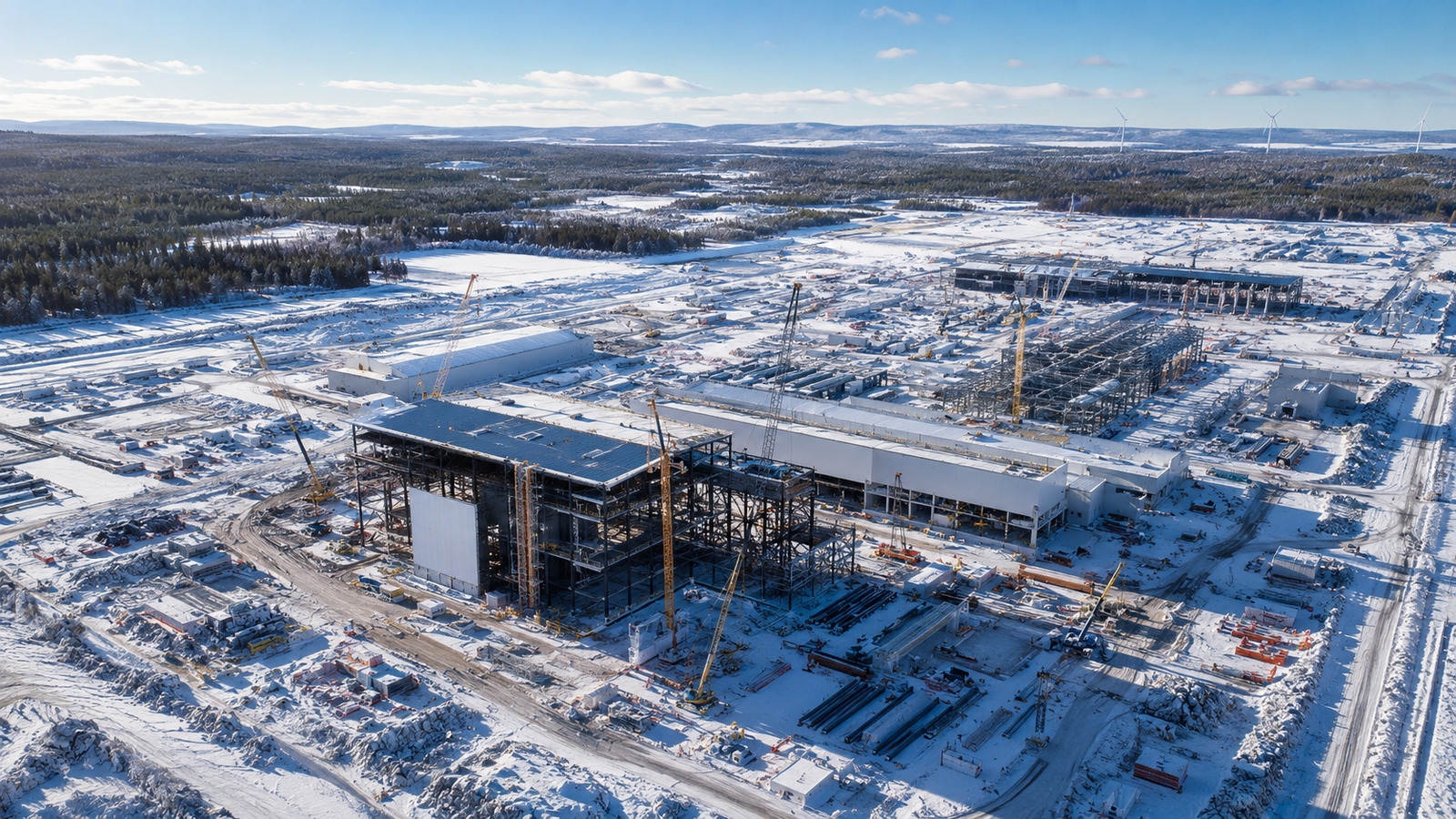
US$ 7 billion, green hydrogen, and steel with up to 95% less CO₂: the first green steel plant on the planet emerges in Sweden and targets Brazil as the next chapter

-
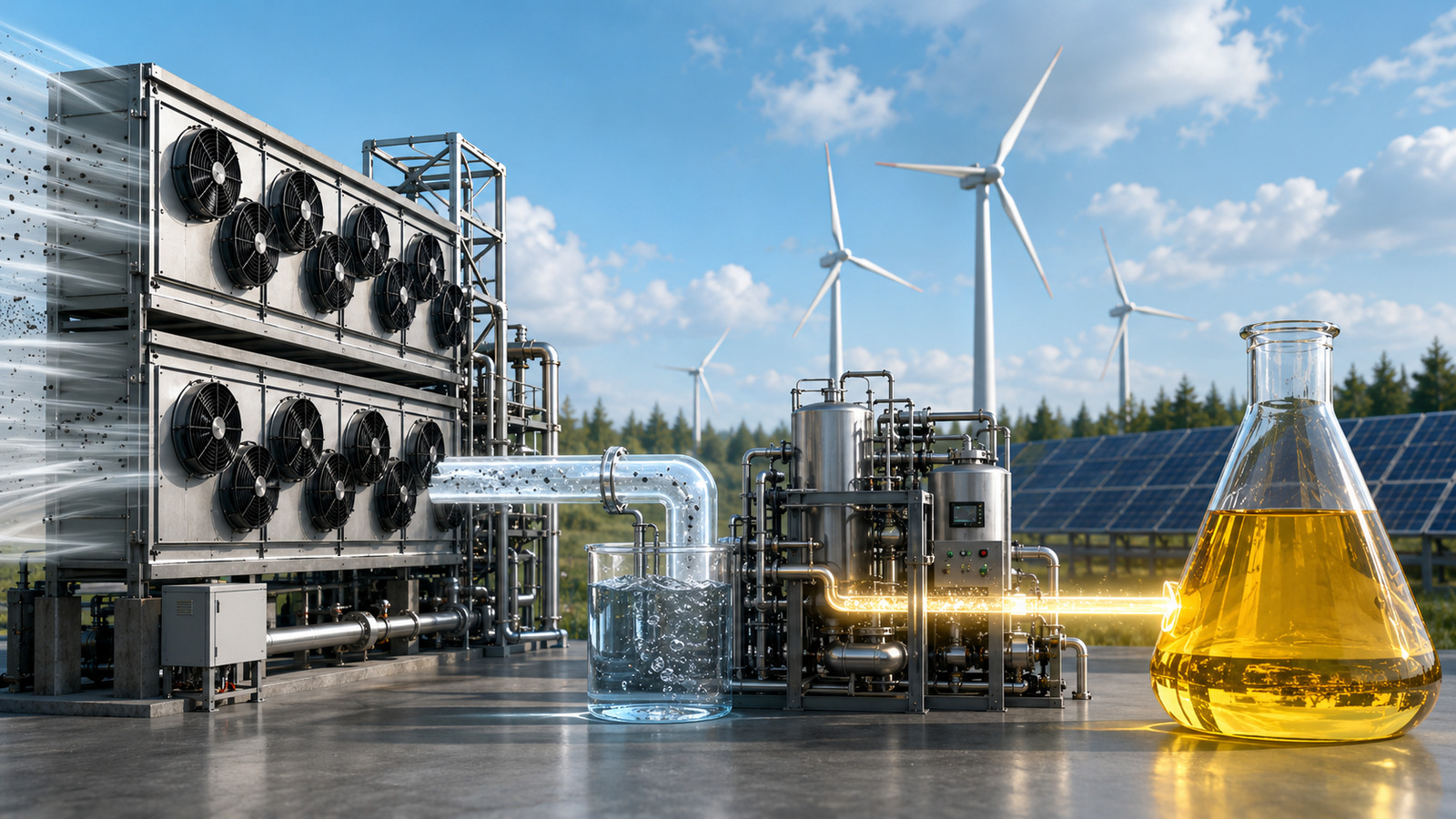
Swedes manage to create synthetic fuel with CO₂, water, and renewable energy, compatible with current engines, but face a huge problem: the energy expenditure is still double the return.
-
Brazil begins to transform wheat, residues, sweet potatoes, and soy molasses into ethanol, in a new phase of biofuels that seeks to utilize leftovers from the field and industry to fuel flex-fuel cars.

-
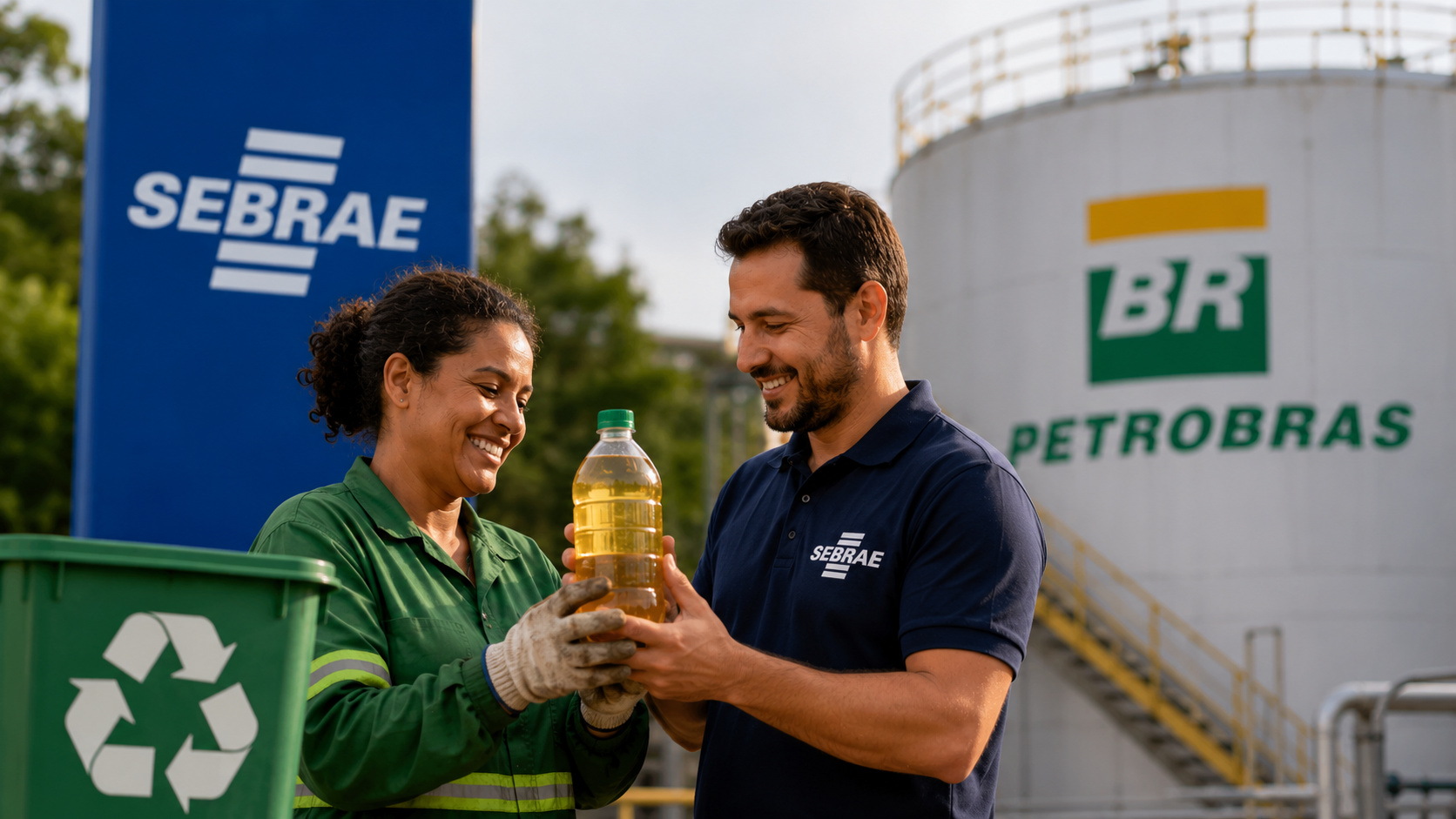
Sebrae and Petrobras join forces in Ceará to include waste pickers in the circular economy and strengthen the biofuel chain, creating new income opportunities and expanding the sustainable use of waste with a direct impact on regional development.

Currently, the state-owned company achieves about 10% renewable inputs in this type of fuel. However, the strategic plan aims to raise this level to 20% renewable content in the coming years.
This evolution positions Diesel-R as one of Petrobras’ main bets to reduce emissions without disrupting the existing infrastructure. According to the company, the fuel is a key element within the decarbonization strategy based on viable solutions for the short and medium term.
Coprocessed Diesel and Sustainability in Emission Reduction
Sustainability is the central axis of the new Diesel-R. According to information released by Petrobras, the renewable fraction of the fuel, composed of vegetable oil, can achieve up to 87% reduction in pollutant gas emissions compared to conventional fossil fuels.
This reduction represents a significant impact for Brazil and reinforces Petrobras’ commitment to decarbonization, said Magda Chambriard in an interview with CNN Money.
Although the percentage specifically refers to the renewable part of the fuel, the cumulative effect is significant, especially in sectors such as heavy transport, logistics, and industry, where low-carbon alternatives are still limited.
How the Coprocessed Diesel Process Works at Petrobras
The industrial process for coprocessed diesel involves mixing mineral diesel with vegetable oil, currently soy oil, the same used for domestic consumption. This raw material is sent to the refinery and undergoes a hydrotreatment process, where the fuel reacts with hydrogen.
During this stage, impurities and contaminants are removed, increasing the stability of the final product. The result is a chemically stable fuel, with lower formation of gums and compounds harmful to engines.
According to technicians from the Presidente Bernardes Refinery (RPBC) in Cubatão (SP), the resulting fuel maintains the S-10 standard and has quality equivalent to fossil diesel, even under rigorous laboratory analyses.
Total Compatibility with Vehicles and Equipment
One of Diesel-R’s main differentiators is its total compatibility with the existing fleet. Trucks, buses, agricultural machines, industrial equipment, and light diesel vehicles can use the fuel without any mechanical adaptation.
This reduces costs, eliminates adoption barriers, and allows companies to advance in their environmental goals immediately. In practice, Diesel-R offers emission reductions without requiring technological changes from the consumer. This aspect is considered strategic by Petrobras, especially in a country with a high dependence on road transport.
Volvo Uses Diesel-R in Operations in Brazil
Among the clients that already use Diesel-R is Volvo, which has adopted the fuel at its industrial plant in Curitiba, Paraná. The automaker uses the product both for the first filling of new trucks and in tests conducted within the factory.
According to Alan Holzmann, director of strategy and product planning for trucks at Volvo, the company uses this fuel for the initial filling of all trucks produced and also in all tests conducted within the plant. The adoption reinforces the product’s profile, today mainly aimed at companies seeking to reduce their carbon footprint voluntarily and measurably.
From Diesel-R10 to Diesel-R with 20% Renewable Content
The new fuel represents a direct evolution of Diesel-R10, previously launched and used during COP30, held in Belém. At that time, the product fueled the buses responsible for transporting participants of the climate conference.
This experience served as a proof of concept at a real scale. Now, Petrobras’ proposal is to increase the renewable content to 20% renewable content, making the product even more aligned with global environmental requirements and corporate decarbonization goals.
Technical and Economic Challenges of Coprocessed Diesel
Despite the advances, increasing the renewable proportion presents significant challenges. The hydrotreatment process of coprocessed diesel requires a greater volume of hydrogen than conventional diesel, making the reaction more complex and unstable.
According to Edson Bruel, project manager at RPBC, the process requires greater operational control but results in a high-quality, more stable fuel.
Moreover, the project needs to be economically viable. Currently, the prices of biodiesel and fossil diesel are very close, which reduces margins and pressures the competitiveness of the renewable product without larger scale or market incentives. Today, the Diesel-R line, in different concentrations, is sold only to large consumers, on demand and without continuous production.
At the Presidente Bernardes Refinery, the installed capacity reaches 60 million liters, but the volume actually produced depends on the interest of commercial partners. This model ensures flexibility, but also limits the rapid expansion of the fuel to other market segments.
Investments in Biorefinery and Next Steps for Petrobras
To enable the expansion of Diesel-R with 20% renewable content, Petrobras has already included new investments in the short term. One of the main projects is the implementation of the first 100% dedicated biorefinery in Brazil, located in Rio Grande do Sul.
According to the CEO of the company, the project is already underway and will be key to scaling up production and consolidating the strategy based on liquid fuels with lower environmental impact.
The Role of Diesel-R in Brazil’s Energy Transition
Petrobras’ strategy for the next decade remains focused on solutions based on liquid fuels, especially in sectors where electrification still faces technical and economic limitations. In this context, Diesel-R arises as a realistic, scalable, and immediate impact alternative.
By combining coprocessed diesel, sustainability, emission reduction, and total compatibility, the new fuel positions itself as a concrete bridge between the current energy model and a lower carbon future in Brazil.






Be the first to react!