Portuguese
  Spanish


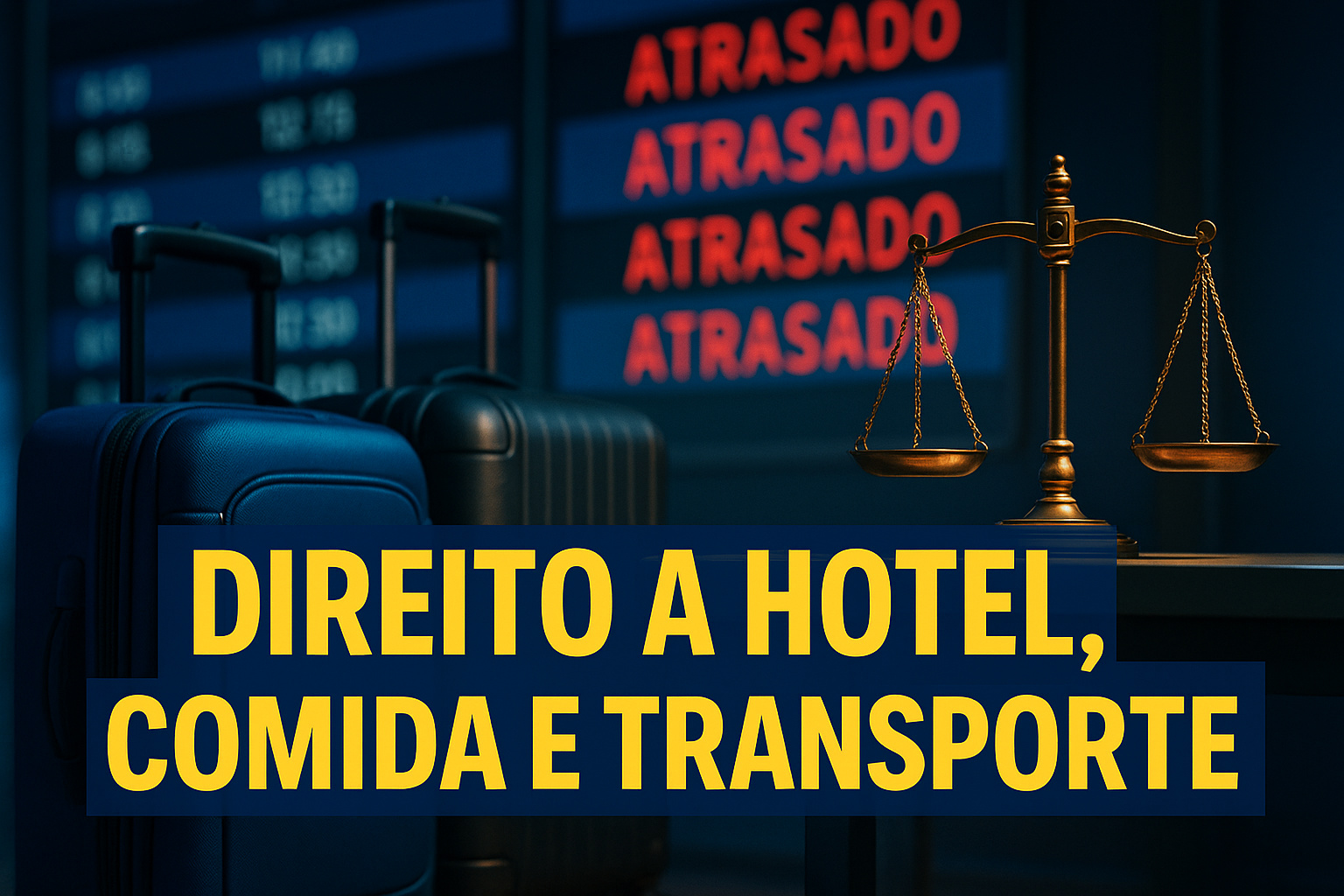


Little-Known ANAC Law Guarantees Free Hotel, Food, and Transportation in Delays and Cancellations — Rights That Most Passengers Are Unaware Of.
Resolution No. 400 from the National Civil Aviation Agency (ANAC), in effect since March 14, 2017, has become a turning point in the relationship between passengers and airlines in Brazil. Although many people are still unaware of its scope, it establishes strict rules for delays, cancellations, denied boarding (overbooking), and scheduled flight changes. The regulation stipulates that in various situations, the passenger has an immediate and free right to food, hotel, transportation, communication, and comprehensive assistance — guarantees that go far beyond what most imagine and that completely change the experience of those facing long hours of waiting at Brazilian airports.
How The Rule Came About And Why It Became Essential
The creation of Resolution 400/2016 stems from a growing demand for transparency and consumer protection in the airline sector. During the 2010s, successive episodes of delays, poor information provision, and cancellations without adequate support led to a surge in complaints at Procon and ANAC itself. In response, the agency opened a national public consultation, gathered experts, and consolidated new guidelines to ensure predictability, dignity, and balance in the contractual relationship.


The result was a regulation that requires all airlines — domestic and international operating in the country — to guarantee material assistance and real alternatives whenever the passenger is harmed by operational failures, maintenance problems, overbooking, or involuntary changes to the flight schedule.
-
Seniors Over 60 Can Travel for Free Across Brazil: Elderly Statute Ensures Two Free Bus Seats and 50% Discount When Full for Low-Income Passengers

-
Detran RJ starts requiring a toxicological test for those obtaining their first driver’s license in the car and motorcycle category starting June 29; see who will be affected.

-
Florida takes TikTok to court and accuses the Chinese giant ByteDance of ignoring the law that bars minors under 14, while parents and authorities demand more protection for children on social networks.
-
Chamber approves constitutional amendment reducing the age of criminal responsibility from 18 to 16 years; what now?



Right To Material Assistance: The Central Point That Almost Nobody Knows
The core of Resolution 400 is the right to what is called material assistance, which increases in stages according to the waiting time. The passenger does not need to request — it is the airline’s obligation to provide it. The regulation defines three time frames:
- 1 Hour Delay: the airline must guarantee means of communication, such as internet or phone;
- 2 Hour Delay: the passenger gains the right to free food, usually provided by vouchers;
- 4 Hours Or More: the airline must offer accommodation (if the delay is overnight), as well as round-trip transportation between the airport and the accommodation location.
This is where many Brazilians are surprised: the obligation for hotel and transportation does not depend on the reason for the delay. It applies to sudden cancellations, flight readjustments, overbooking, and even internal reallocations. The only exception is when the passenger is in their municipality of residence — in this case, the airline may only offer transportation, without hotel.
Cancellations And Flight Changes: What Changes With The Rule
In case of cancellation or scheduled change that implies a change in the original schedule or route, the airline must inform the passenger at least 72 hours in advance. If this does not occur, the customer can choose between:
- Rebooking on another flight with the same airline or a partner airline;
- Full Refund, including fees;
- Service by Another Mode of Transport, such as bus or road transfer, if available.
When the change occurs within 72 hours or affects connections, the passenger retains the right to choose the best alternative, including a partial refund for only the affected segment.
Overbooking: A Practice That Now Requires Immediate Compensation
Denied boarding — the famous overbooking — is one of the most sensitive situations under Resolution 400. By preventing a passenger from boarding even with a confirmed ticket, the airline is required to offer immediate compensations, in addition to material assistance. The passenger can choose:
- Priority Rebooking;
- Full Refund;
- Alternative Transportation;
- Financial Compensation, which may be applied according to internal rules and subsequent judicial decisions.
Additionally, recent decisions from Brazilian courts consider overbooking as presumed moral damage, reinforcing the company’s responsibility.

Why The Regulation Can Lead To Penalties For Airlines
The noncompliance with Resolution 400 subjects companies to administrative investigations and fines imposed by ANAC. As of 2023, the agency has issued hundreds of infraction notices related to delays without adequate assistance, poor communication, and failures in passenger rebooking.
Depending on the severity, penalties can range from R$ 4,000 to R$ 200,000 per occurrence, without prejudice to civil actions proposed by passengers in Special Courts.
Recent Cases Reinforce The Importance Of The Rule
In recent years, episodes of poor service during delays in Congonhas, Brasília, Galeão, and Fortaleza led ANAC to inspect companies in person and issue public warnings. In some cases, companies were required to distribute meals and organize rebooking lines under the agency’s direct supervision.
Meanwhile, court rulings in São Paulo, Pernambuco, and the Federal District reinforced that material assistance is mandatory even when the delay is due to external factors, such as bad weather or long queues at traffic control — situations in which the passenger should not be penalized.
A Guarantee That Changes The Travel Experience — But That Few Know About
The Resolution 400 has become a landmark of Brazilian aviation because it guarantees minimum dignity to the passenger. Instead of facing hours of waiting without support, the traveler now has clear, comprehensive, and automatic guarantees. Nevertheless, research shows that over 70% of Brazilians are unaware of their rights — and end up incurring costs that should be borne by the airlines.
As air traffic grows and operations become more complex, knowledge of these rules becomes vital. Knowing that there is a right to free hotel, food, and transportation can completely transform the experience in times of crisis and prevent financial losses.