






 Portuguese
  Spanish


Brazil Faces The Stalemate Of Venezuela’s Billion-Dollar Debt With BNDES, Without Payments Since 2018. The Deficit Has Already Exceeded R$ 10 Billion
Between 2007 and 2015, Brazil allocated billions of reais to finance large projects in Venezuela. The promise was of strategic gains, expansion of Brazilian companies, and strengthening of relations between the two countries.
Today, the reality is different: a debt exceeding R$ 10 billion, with no guarantees of return, raising an inevitable question — what to do in the face of this stalemate?
The Weight Of An Unpaid Debt
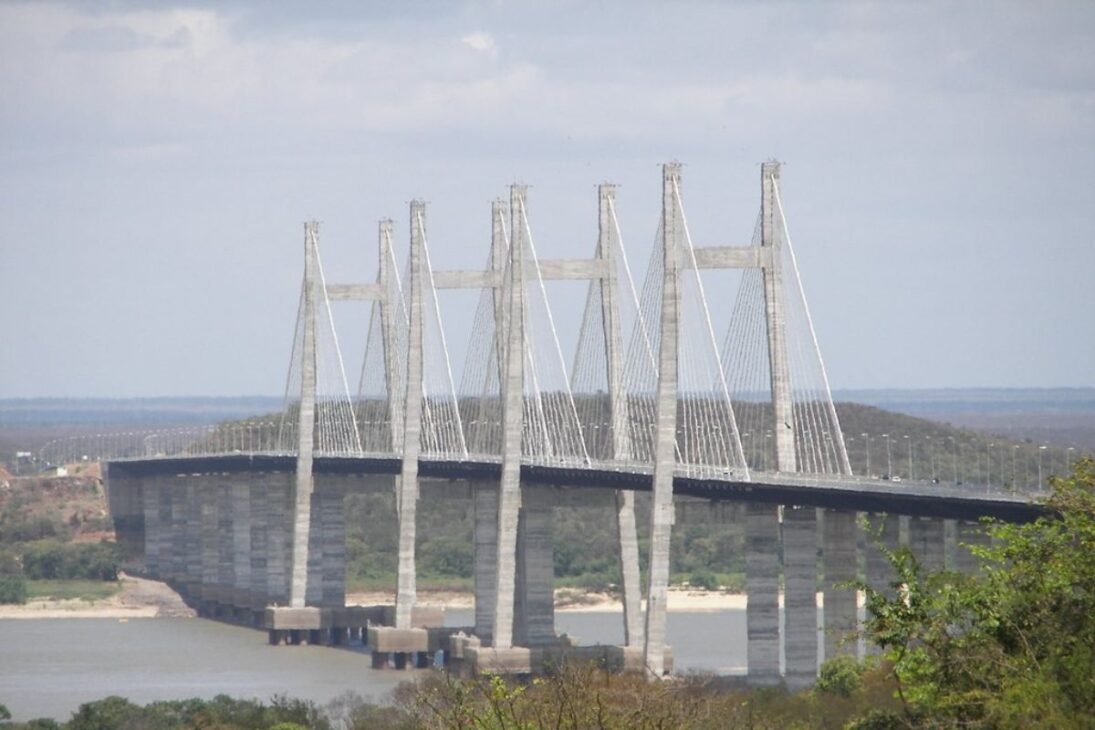
The contracts financed by BNDES included everything from the expansion of the Caracas and Los Teques metro to the construction of a shipyard and the National Steel Mill.
-
Family Quietly Transforms Old Sawmill into $700 Million Business, Opens 25 Stores in Two Years Across 22 Brazilian States

-
Couple Sold Their Home to Save Business, Now Run Platform Handling $180 Million Monthly and Managing Over 51 Million Listings
-
Brazil’s 2026 Tax Refund: Record 9.58 Million Filers in Largest Payout Ever, But a Key Detail on Priority Recipients Draws Nationwide Attention

-
Itaú Alters Hybrid Work Model, Increasing Office Days from 2028, Prompting Employees to Adjust to New Routine



Companies like Odebrecht and Andrade Gutierrez were the protagonists of these projects, many of which were never completed.
With the Venezuelan crisis and the collapse of its economy, payments stopped in 2018. Since then, interest on arrears has continued to grow.
In just the first three months of 2025, the amount rose by US$ 53 million, reaching US$ 1.766 billion — something over R$ 10.3 billion.
This bill is being partially covered by the Export Guarantee Fund (FGE), funded by the National Treasury, which means that the Brazilian taxpayer is already paying for this loss.
A Problem That Goes Beyond Venezuela
Delinquency is not exclusive to Caracas. Cuba and Mozambique have also failed to honor commitments, accumulating over US$ 1.2 billion in debts together.
In Cuba, for example, Brazil financed the Port of Mariel for over R$ 4 billion, with the guarantee being the production of cigars.
In Mozambique, the funds bankrolled the Nacala Airport and the Moamba Major Dam.
The pattern repeats: large projects, Brazilian construction companies involved in corruption scandals, and little transparency about the real return on these investments.
What To Do Now?
The central question for Brazil is no longer just to account for the loss, but to decide how to act regarding the debt. There are at least three paths under discussion:
- Negotiate A Debt Restructuring
The Brazilian government, especially under Lula, insists that “in the end, everyone ends up paying.” This opens room to extend deadlines, swap guarantees, or even accept Venezuelan goods and assets as a form of payment. - Execute Guarantees And Pressure Through International Bodies
In some cases, like Cuba, concrete guarantees were offered — but in Venezuela, there is no clarity about assets that can be executed. The alternative would be to resort to multilateral organizations to pressure Caracas, although this involves diplomatic costs. - Accept The Loss And Avoid New Mistakes
The third option is to acknowledge that part of this money will likely be irrecoverable. In this scenario, the priority would be to reform BNDES rules to prevent external financing, used as a political tool, from generating billion-dollar deficits without return for Brazilians.
The Risk Of Recurrence
From 1998 to 2017, BNDES released R$ 55 billion for projects in foreign countries, with 88% occurring only between 2007 and 2015, during the Lula and Dilma administrations.
Critics argue that, more than an economic strategy, these resources served as support for allied governments, with little attention to the actual payment capacity.
The current problem is that Brazil needs over 850 kilometers of metros and urban trains to meet its own demand. Meanwhile, billions have gone to unfinished projects in Venezuela and other countries.

Between Pragmatism And Politics
Venezuela’s debt to Brazil is not just an accounting issue — it involves diplomacy, international credibility, and the responsible use of public money.
The government may insist on negotiating, but without solid guarantees, the risk is to prolong a saga that has lasted nearly a decade. On the other hand, accepting the loss would be to admit a historical political and economic mistake.
The challenge for Brazil, therefore, is to balance pragmatism and politics: to collect what is owed, avoid new financing without guarantees, and, above all, prioritize internal investments that bring concrete benefits to the Brazilian population.







Cobrar do pt, e depois extinguir de vez esse sindicato de ****
Maior bobeira em que o governo do PT deu, em financiarem países pobres sem garantia de retorno..Agora o calote tá dado e não tem como se cobrar, embora a matéria mostrou a possibilidade. Acho que se perguntar para o governo lula e Dilma se eles se arrependem de terem dado esaa bobeira eles dirão que não 👏🏾
No caso da Venezuela poderíamos tentar pagamento via petróleo.
A Venezuela pode dar em pagamento petróleo