Portuguese
  Spanish


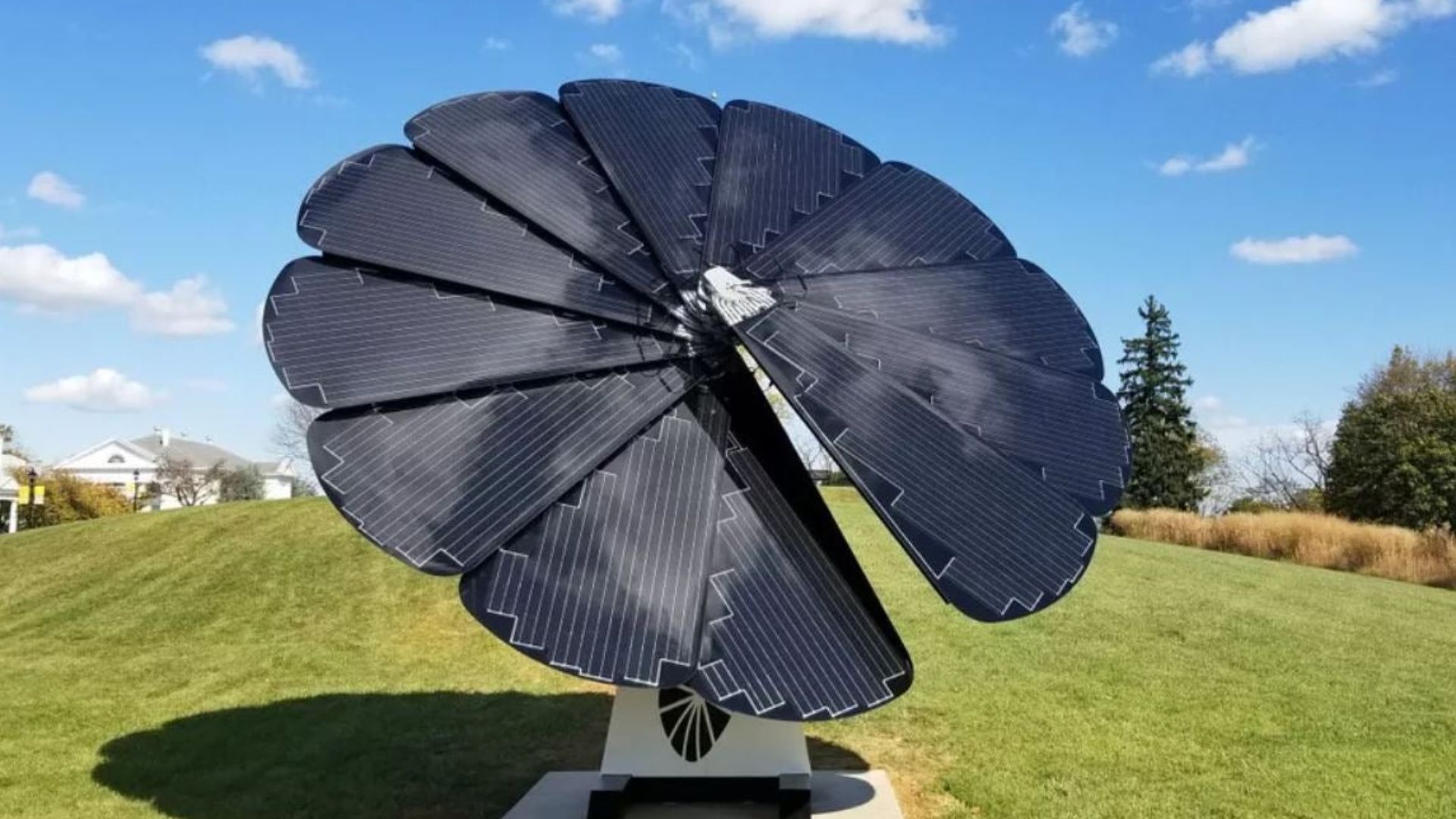


Launched In Austria And Presented At Various International Exhibitions, The Smartflower Solar Panel Draws Attention For Its Flower-Shaped Design That Automatically Rotates Toward The Sun, Generating Up To 40% More Energy Than Traditional Fixed Models And Showcasing Aesthetics And Efficiency.
The Smartflower Is A Photovoltaic Panel With Twelve Movable Petals That Imitate The Behavior Of A Sunflower. The System Moves Throughout The Day To Follow The Sun, Optimizing Light Capture And Increasing Energy Performance. With A Capacity To Generate Between 4,000 And 6,500 KWh Per Year, The Equipment Promises To Power An Average Household With Autonomy And Efficiency.
Manufactured In Austria, The Panel Uses Integrated Technologies Such As Inverters And Lithium Batteries, Allowing Autonomous Operation With Minimal Installation Requirements. The Structure Is Equipped To Withstand Extreme Temperatures — From -20°C To 50°C — And Automatically Retracts In The Event Of Strong Winds, Ensuring Durability And Safety In Various Scenarios.
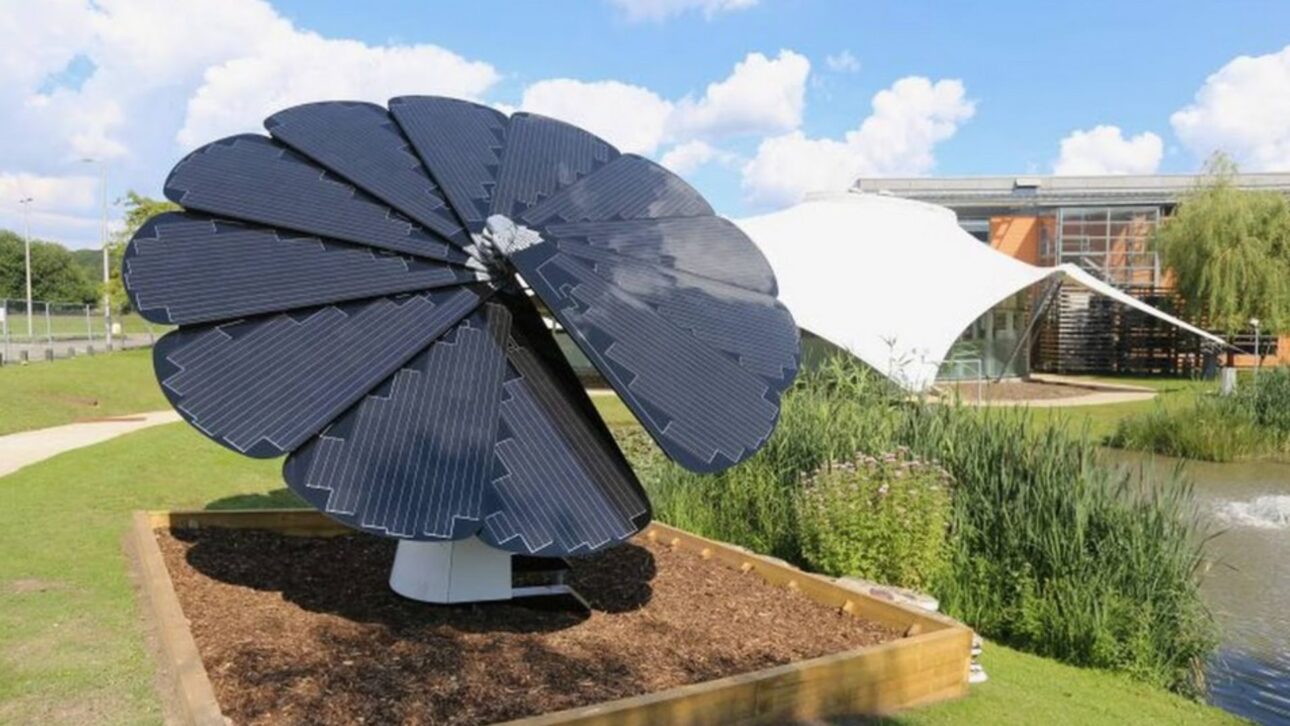
With Installation That Takes A Few Hours, The Smartflower Has Been Adopted By Schools, Museums, And Public Buildings, Especially Where Renewable Energy Generation Also Needs To Be A Visual Message. An Example Is The Children’s Discovery Museum In San Jose, Where Three Units Function As Generators And Educational Pieces.
-
Brazilian scientists are simultaneously advancing two research projects on clean hydrogen and driving solutions that could transform the energy matrix, enhance industrial competitiveness, and accelerate large-scale emission reduction targets.

-
Advancement in renewable energy: A R$ 150 million project launched by Petrobras and Finep aims to create state-of-the-art electrolyzers for green hydrogen, strengthening national research and preparing Brazil to compete in a billion-dollar energy market.
-
Illiterate or semi-literate grandmothers were trained to repair solar systems, open rural workshops, and light up homes that still depended on kerosene.
-
The world has bet on green hydrogen as the fuel of the future, but now faces the side effect: producing 1 kilogram requires about 9 liters of ultrapure water, and the largest projects on the planet are precisely in the driest regions of the Earth, where water is already scarce for people.





Equipment Draws Attention In Urban And Educational Areas
The Presence Of The Smartflower In Public Spaces Has Strengthened The Perception That Solar Panels Can Be More Than Functional. Its Aesthetic Structure Makes It Ideal For Locations With Curves, Limited Areas, And Distinct Architectural Designs. The Equipment Has Also Gained Ground In Cities Like Sacramento, Where Solar Incidence Is High And Residents Seek Sustainable And Visible Solutions.
In Addition To Being Visually Appealing, The Flower-Shaped Panel Offers An Effective Solution For Places Where Rectangular Panels Do Not Fit Or Do Not Meet Energy Demand. Due To Its Flexibility And Visual Impact, The Equipment Expands The Reach Of Green Technologies In Residential And Urban Projects.
Even With An Estimated Cost Of Around US$ 50,000, The Investment Has Proven Advantageous For Those Seeking Energy Autonomy With Sustainable Returns. The Daily Production Of Up To 650 KWh In Sunny Regions Demonstrates Its Potential To Replace Traditional Sources With An Innovative Solution.
Solar Technology Takes On A New Form Inspired By Nature
According To The Portal Ecoticias, The Smartflower Represents A Growing Trend In The Renewable Energy Sector: The Fusion Between Functional Technology And Bio-Inspired Design. The Ability To Move According To The Sun, Combined With Integrated Storage, Allows Independent Operation From Complex Grids And Benefits Regions With Lower Electrical Infrastructure.
With Rapid Assembly, Striking Visuals, And Environmental Adaptability, The Solution Proposes A New Stage For The Future Of Solar Energy. In A Global Context Aiming For Clean And Efficient Alternatives, The Smartflower Transforms The Relationship Between Urban Space, Nature, And Energy Production.