Portuguese
  Spanish


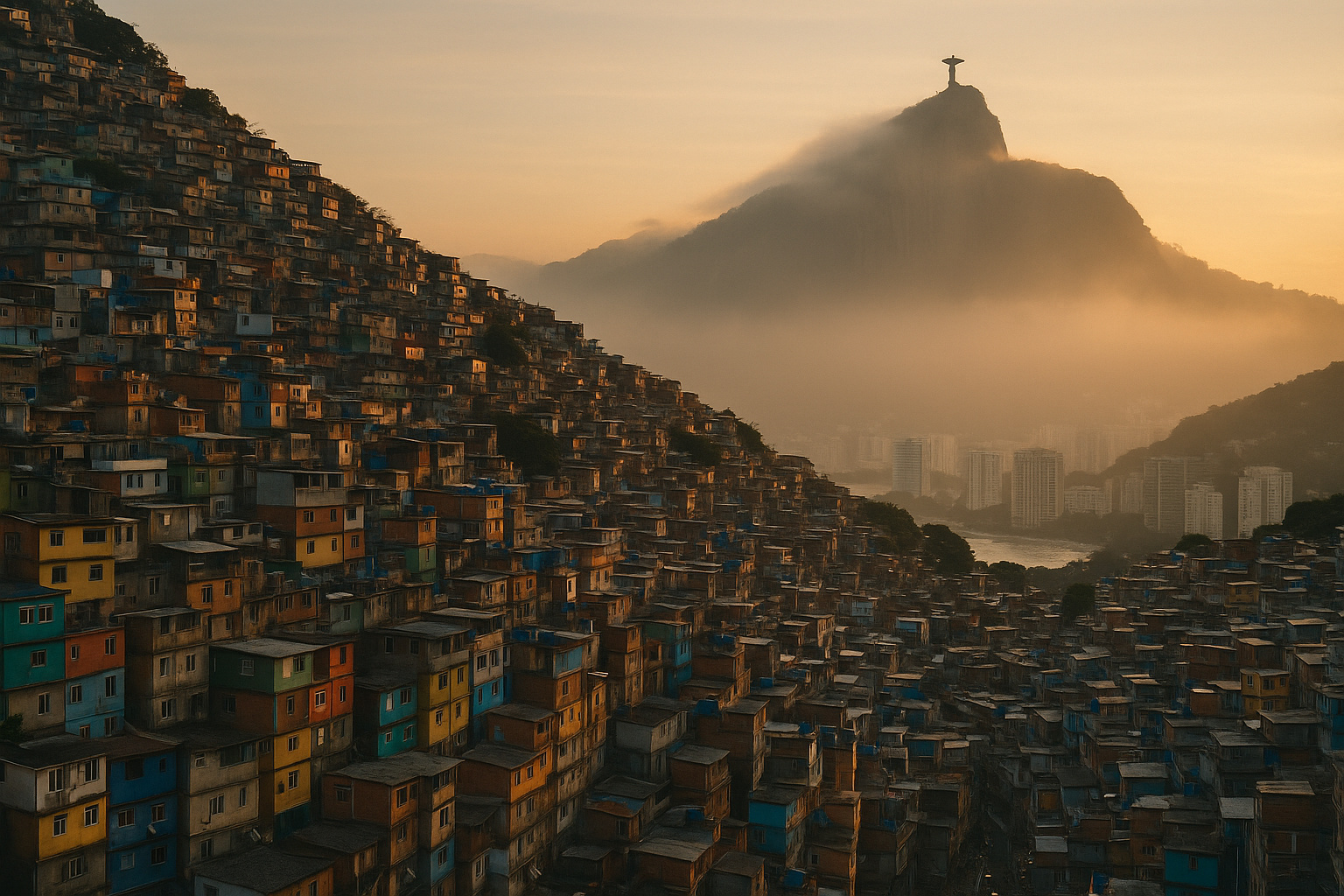

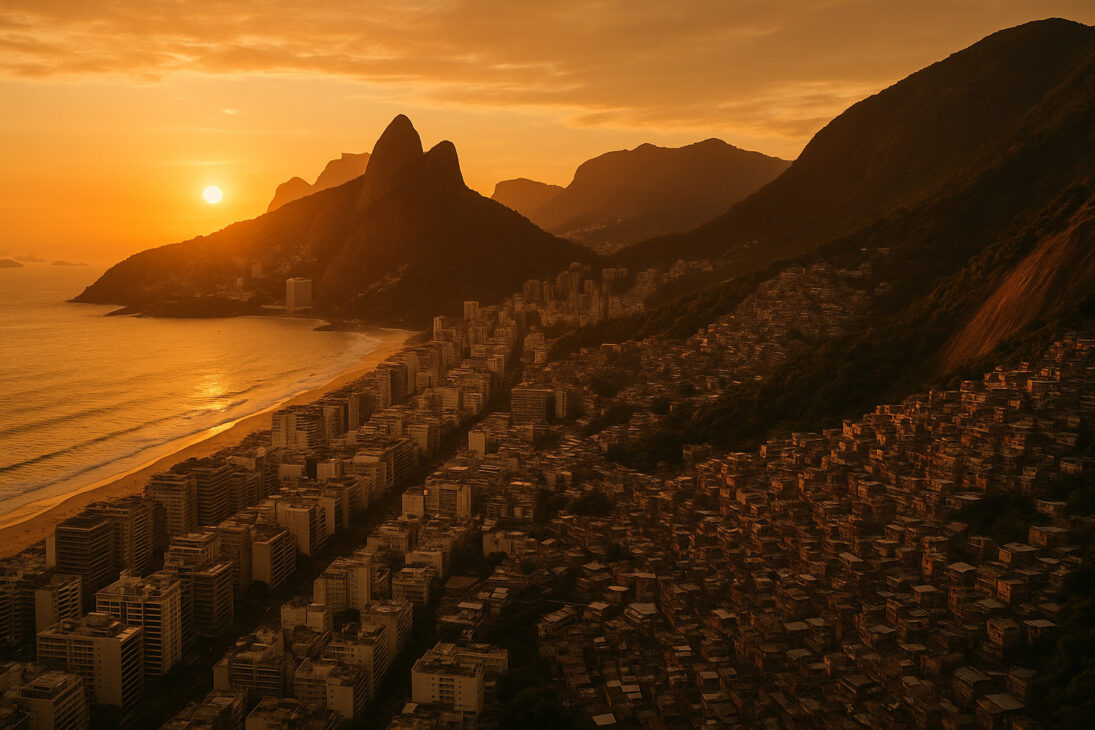
The contrast between luxury and poverty in Rio de Janeiro has always drawn attention. In just a few meters, one can see the most expensive neighborhood in the country, Leblon, with a square meter valued at R$ 28 thousand, and right next to it, communities like Vidigal and Rocinha, where the value drops to R$ 4 thousand. This geographical and social disparity is so great that it has become a symbol of the Fluminense capital — a city where 813 favelas are an essential part of its urban landscape.
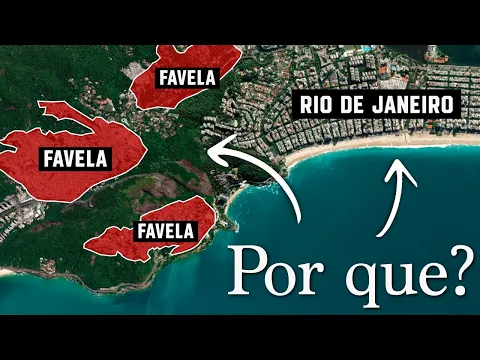
According to recent data, the number of favelas in the metropolitan region of Rio keeps growing: in 2010, there were 763. The phenomenon challenges governments, urban planners, and sociologists, raising an inevitable question: why are there so many favelas in Rio de Janeiro?
The Favela Born from War: The Link Between Canudos and Rio de Janeiro
To understand the origin of the Carioca communities, one must go back to the backlands of Bahia at the end of the 19th century. After the fall of the monarchy and the proclamation of the Republic, Brazil was attempting to consolidate its power. During this period, Canudos emerged, a settlement founded by poor peasants and former enslaved individuals seeking to live free from taxes and state interference. The city grew quickly, housing 25 thousand people, more than several capitals of the time.
-
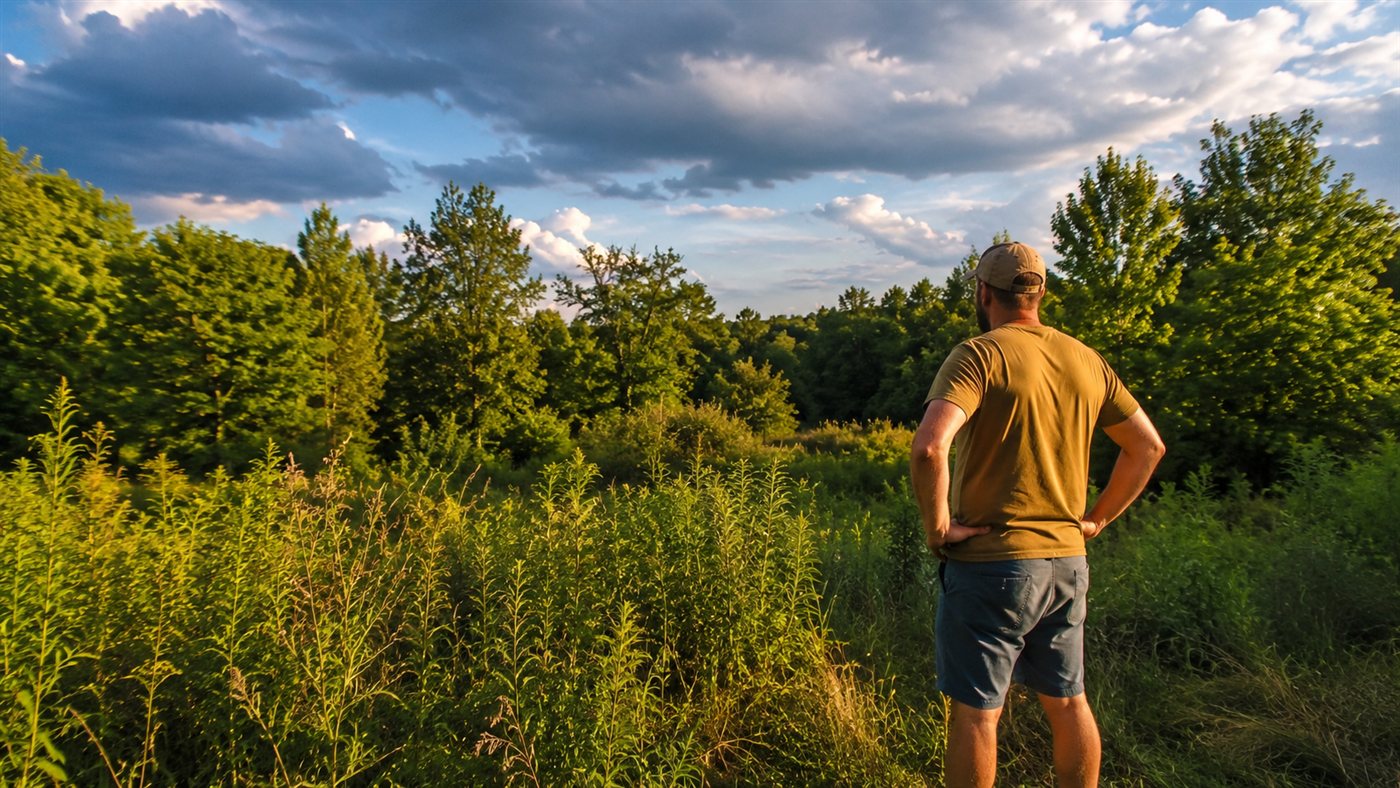
Man Spends Weeks Clearing Overgrown Land, Faces Equipment Failures, and His Story on Scott Harrison’s Channel Reaches 94,000 Views

-
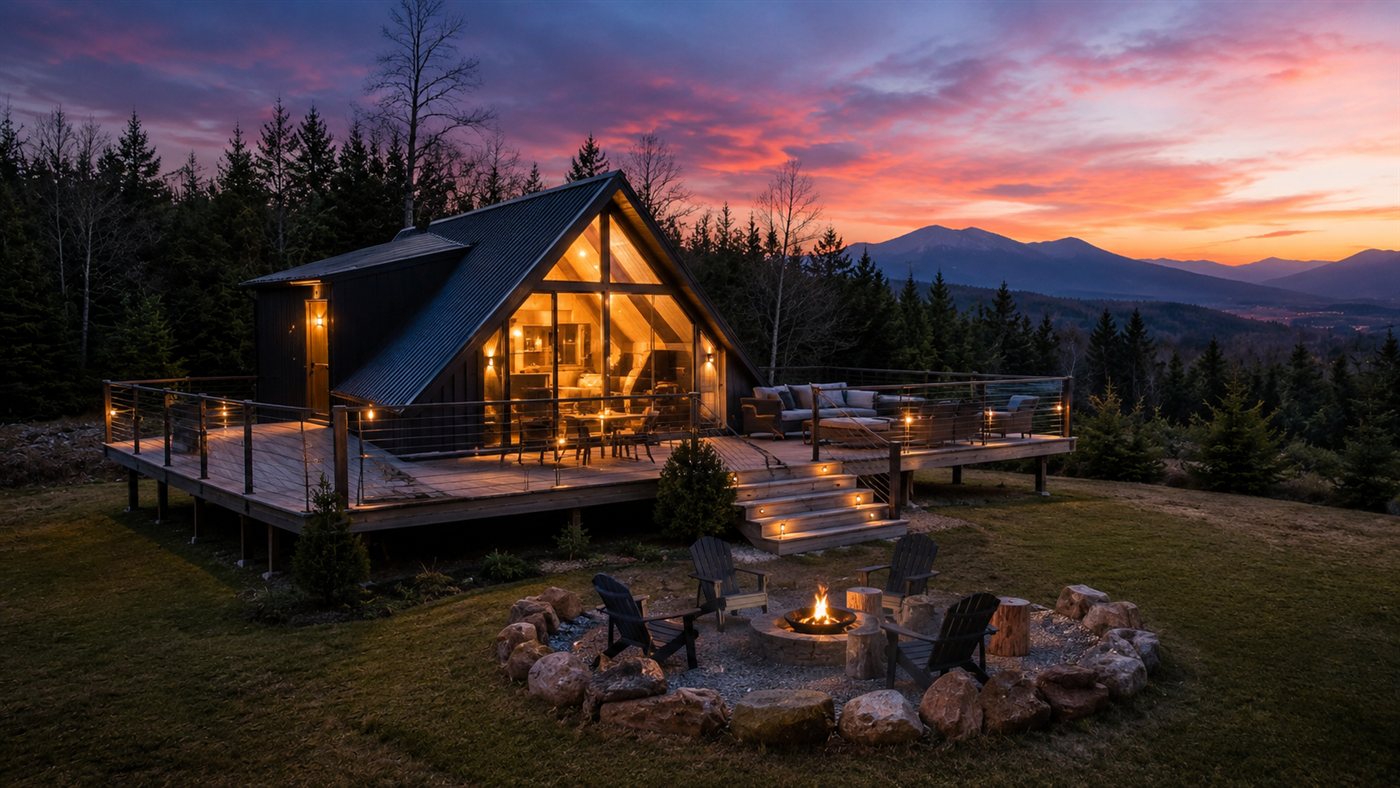
Engineer Builds Star Farm Resort on $250,000 Plot Near U.S. National Park, Projected to Reach $6 Million Value by 2030
-
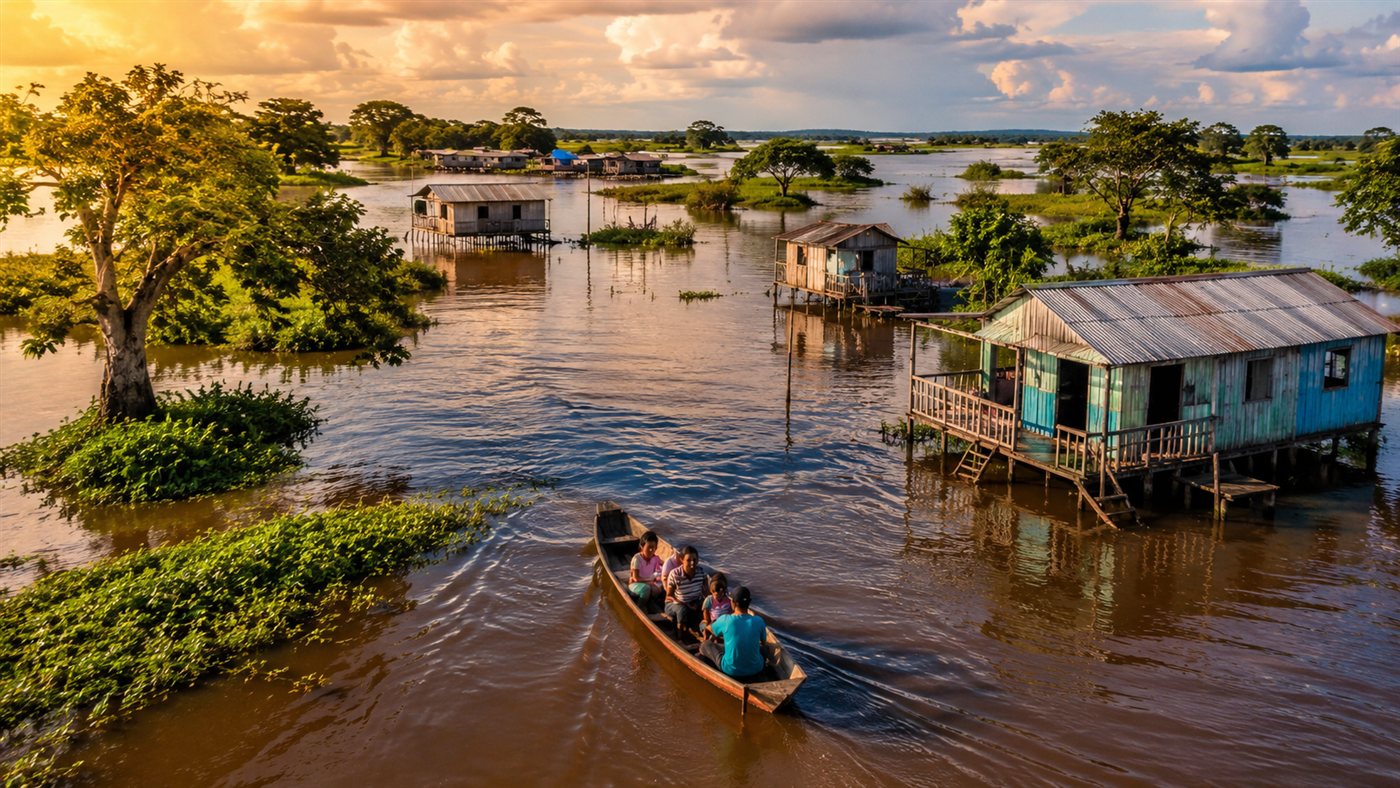
In the Amazon Flood Season, Life Transforms: Riverside Family Near Parintins Relies on Fishing Nets, Stingrays in the Yard, and Canoe-Only Transport
-
Man Converts Water Tank into $20,000 Luxury Boat, DIY Video Reaches 571,000 Views on World Tech Channel

However, the government viewed the movement as a threat. In 1897, it sent 10 thousand soldiers with cannons and modern weaponry to destroy Canudos. The massacre left only a few dozen survivors.
When the fighters returned to Rio de Janeiro, then the federal capital, they expected promised rewards — land and compensation. None of this materialized. Homeless and unemployed, they occupied a hill near the center, building makeshift shacks. The Morro da Favela was born, named after the plant that covered the fields of Canudos.
Thus, the first precarious urban agglomeration in Brazil emerged not by choice, but by state abandonment. From then on, the model spread and perpetuated for decades.
Unplanned Growth and the Expulsion of the Poor
At the beginning of the 20th century, Rio de Janeiro was already the most populous capital in the country. In 1900, it had 811 thousand inhabitants, while São Paulo had just 239 thousand. As avenues and trams multiplied, the elites occupied the center and the south zone, while workers were pushed up the hills.
The geography also contributed to this process. States like Amazonas, Pará, Amapá, and Espírito Santo — and Rio itself — share a characteristic: natural limits to expansion. In the case of Rio, the mountain range near the coast impeded horizontal growth of the city, confining urban expansion between the sea and the hills.
During the 1930s and 1940s, the government demolished tenements and popular housing in the name of modernizing the center. With no alternatives, thousands of families moved up the hills. Thus, communities like Morro do Cantagalo, Morro do Borel, and later, Rocinha, today considered the largest favela in Brazil, were born.

Mass Migration, Inequality, and the Portrait of Modern Rio
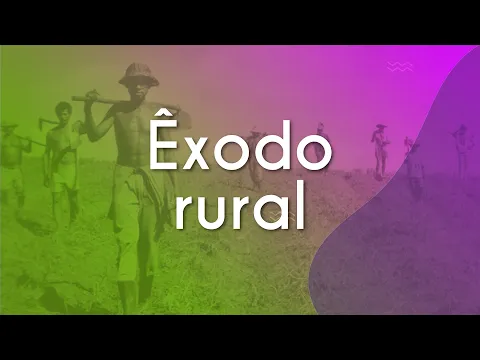
With the industrialization of the country and the rural exodus of the 1940s to 1970s, thousands of Brazilians left the countryside in search of work. Rio, being the political and economic heart of Brazil, attracted crowds. Northeasterners, miners, and Fluminense from the interior came but found an expensive city with no infrastructure.
The lack of housing policies led to a demographic explosion in the favelas. During the 1960s and 1970s, communities like Jacarezinho, Maré, Cidade de Deus, and Vila Kennedy emerged and consolidated. The government tried to intervene with programs for removal and urbanization, but without success. Each eviction resulted in new occupations, repeating the cycle of exclusion.
According to recent surveys, 20% of Rio’s residents live in favelas. In areas like Rocinha, Maré, Vidigal, and Complexo do Alemão, population density exceeds 60 thousand inhabitants per km². In territorial terms, the favelas occupy about 7% of the urbanized area but concentrate almost a quarter of the Carioca population.
The information was released by the Capital Finance channel, which analyzed the expansion of the favelas and the structural causes of this urban phenomenon.
The Legacy: The Favela as Part of Carioca Identity
Over the decades, the favelas have ceased to be seen as a temporary exception and have become part of the identity of Rio de Janeiro. They influence the culture, economy, and social dynamics of the city. The coexistence of luxury and need defines the urban landscape of Rio, where the shine of the south zone penthouses contrasts with the colors of the hills.
Today, Rio still sees the number of favelas growing, a direct result of inequality, lack of public policies, and the geographic structure that limits its development.
Rio is, therefore, a living portrait of Brazil’s history — a country that was born with promises of freedom, but where millions still fight for a decent piece of land.
In light of this trajectory that began with the abandonment of former soldiers and extends to the overcrowded slopes of the city, the real question that remains is: how has Rio de Janeiro, with all its natural beauty, vibrant culture, and history of resistance, still not managed to break the cycle of inequality that has turned the favela into a symbol and open wound of its identity?