Portuguese
  Spanish


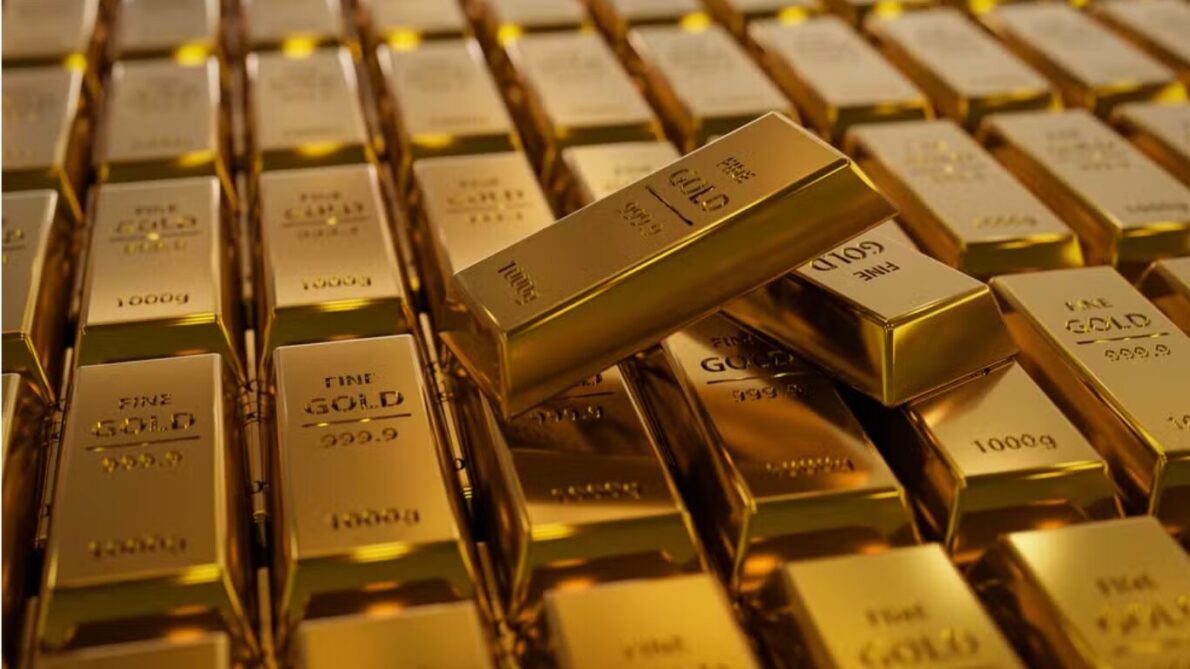

The Historical Milestone Marks A New Era For The Gold Market, Reflecting Significant Changes In The Economy And In International Monetary Policies!
The global gold market reached an impressive milestone last Friday (16), when the spot price of the precious metal surpassed US$ 2,500 per troy ounce, setting a new historical record. This increase caused the value of a standard gold bar, weighing approximately 400 troy ounces (or about 11 kg), to exceed US$ 1 million, or about R$ 5.41 million. This unprecedented feat has significant implications for the global economy and for investors, according to infomoney.
Although this impressive value refers to standard gold bars, it is important to note that the bars available in the market may vary in weight and purity. In the London market, the main global trading center for gold, gold bars typically weigh around 400 troy ounces, but can contain between 350 and 430 ounces of pure gold, as specified by the London Bullion Market Association. For those looking for more affordable options, it is also possible to find smaller bars, such as those offered by retailers like Costco.
Factors That Contributed To The Rise In Gold
The recent rise in gold prices is attributed to a combination of economic and geopolitical factors. Firstly, the increase in net gold purchases by central banks has played a crucial role. In the first half of this year, these purchases totaled 483.3 tons, which is equivalent to almost 40,000 gold bars. This phenomenon is driven by countries’ desire to diversify their reserves and protect their economies against financial uncertainties.
-
A 180-meter ship with a deck the size of a football field was christened to carry 25,000 tons of giant energy modules around the world.

-
To erect the “Baleia” building on the richest avenue in Brazil, he bought 35 houses, paying with trips to Disney, a truck, and even an apartment, waited over 20 years, and today the complex is valued at R$ 2.5 billion.
-
The land belonged to her great-great-grandfather and was worth R$ 25 per square meter during the pandemic; the couple sold 250,000 m² for the nearly R$ 30 billion project that is transforming the “neighbor of Jericoacoara,” and today a house in the region goes for R$ 4.2 million.

-
Labor shortage reaches the truck drivers’ area: Brazil is already facing a deficit of 120,000 drivers, 65.1% of transport companies feel the impacts, and Mercedes-Benz strengthens training in the face of the new generation of technological trucks.



Moreover, expectations of a more lenient monetary policy from the U.S. Federal Reserve have also contributed to the rise in gold prices. With the U.S. facing economic challenges and a possible slowdown, investors are seeking safe assets, such as gold, to protect their capital.
The Role Of Gold In The Global Economy
Gold has played a significant role in the global economy for centuries. Traditionally viewed as a “safe haven” in times of economic instability, the precious metal is a store of value that tends to appreciate when other asset classes face difficulties. In this context, the recent rise in gold prices reflects not only a growing demand for economic protection but also an adjustment in expectations regarding monetary policy and global economic conditions.
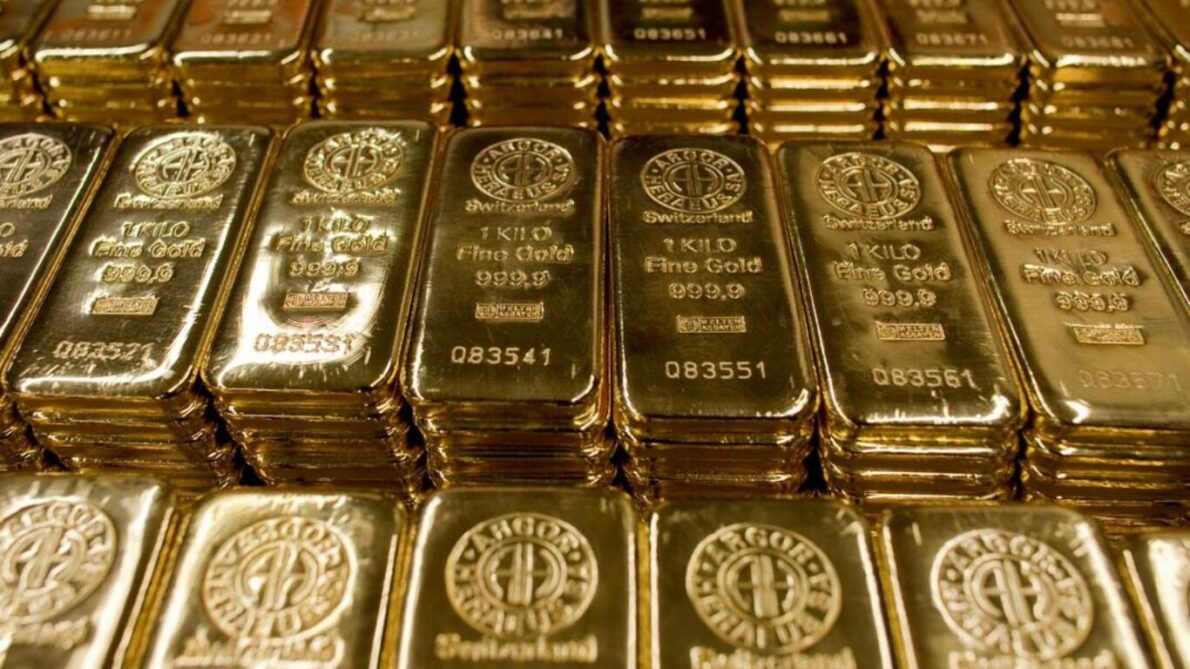
With the increase in economic uncertainty and geopolitical tensions, countries like the U.S. and China are bolstering their gold reserves. This movement can be seen as a strategic response to mitigate financial risks and stabilize their economies.
The Influence Of Economic Policies On The Value Of Gold
The economic policies adopted by major economies, such as the U.S. and China, have a direct impact on the value of gold. The decision by the U.S. Federal Reserve to adopt a more lenient monetary policy, for example, tends to devalue the currency and increase the attractiveness of gold as a reserve asset. Similarly, China, with its gold accumulation policies, also contributes to the appreciation of the precious metal.
In summary, the recent surge in gold prices, reaching the value of US$ 1 million per bar for the first time, reflects the complex interactions between global economic factors, monetary policies, and the pursuit of financial security. As gold continues to play a vital role in the global economy, it is essential for investors and economies to closely monitor these dynamics to understand the future implications for the market and the economy as a whole.