






 Portuguese
  Spanish
  4 min of reading
  0 comments


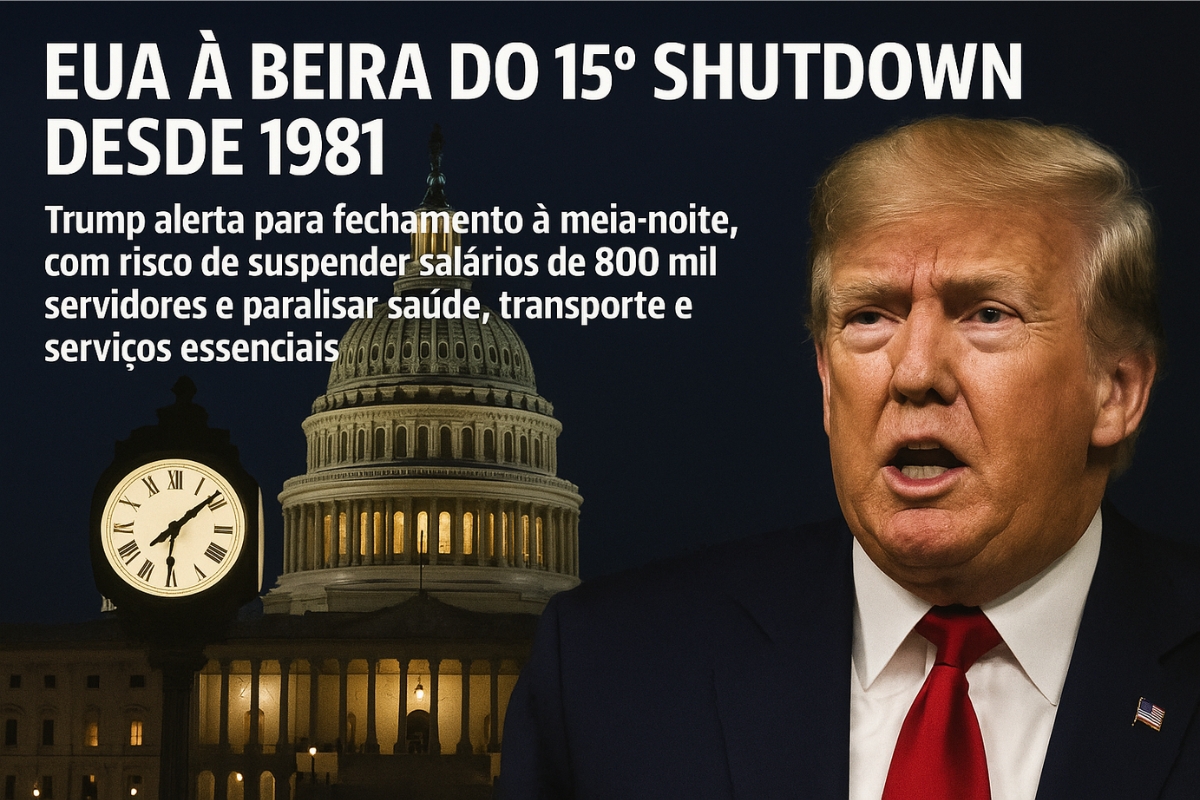
U.S. On The Brink Of 15th Shutdown Since 1981: Trump Warns Of Midnight Closure, Risking Suspension Of Salaries For 800 Thousand Employees And Paralyzing Health, Transportation, And Essential Services
Midnight approaches in Washington with a tense atmosphere. The U.S. government faces the possibility of a new shutdown — the fifteenth since 1981 — following the failure of budget negotiations between Republicans and Democrats.
President Donald Trump warned that “there will probably be a shutdown,” leaving open the threat that hundreds of thousands of federal employees could go without pay and that essential services in areas such as health, transportation, and security could be interrupted.
During a meeting with reporters in the Oval Office, Trump directly blamed the Democratic opposition for the crisis. “They’re going to shut down, not us. We don’t want to shut down because we’re having the best period we’ve ever known,” he stated.
-
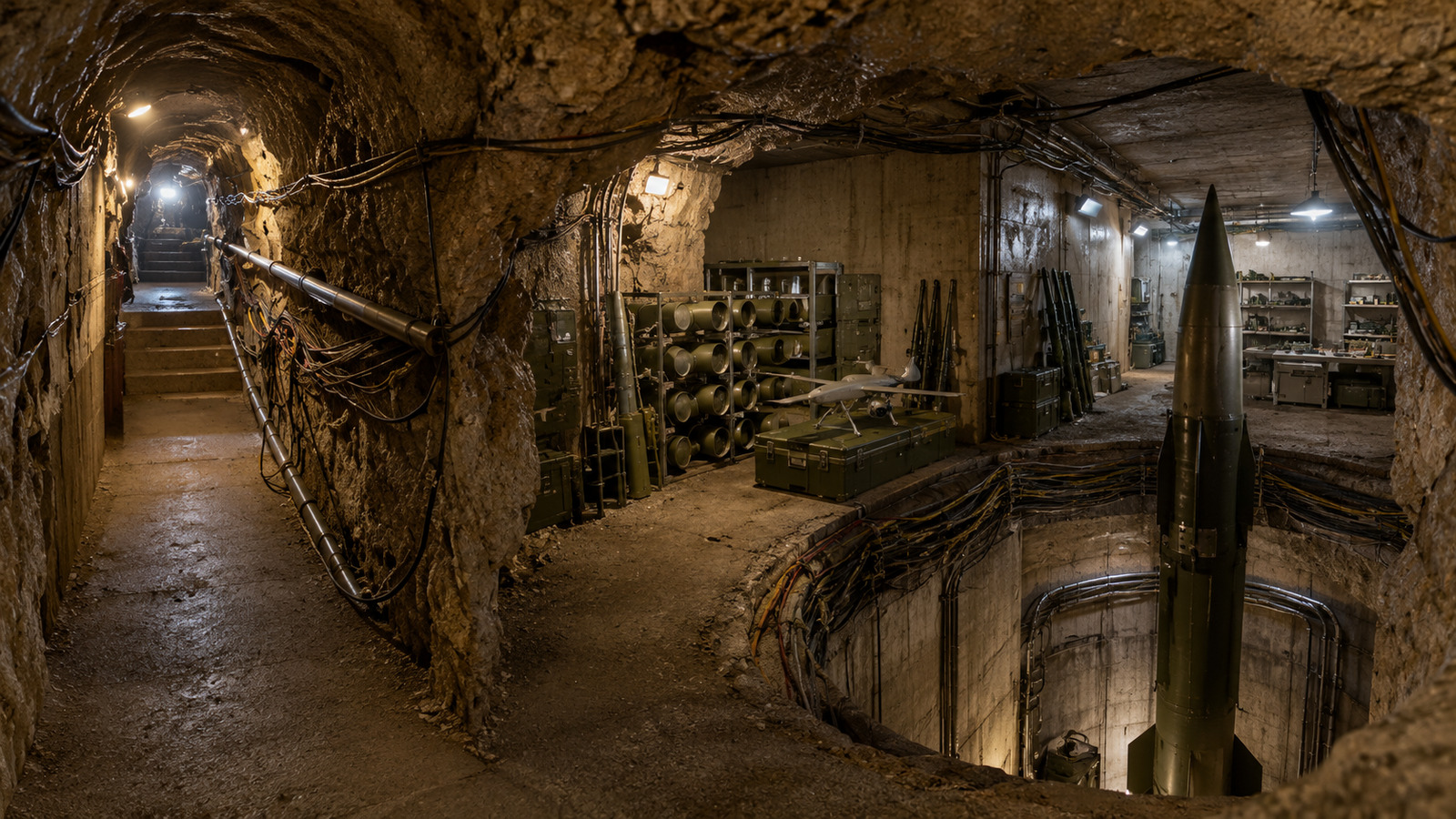
Israel finds Hezbollah militarized tunnel over 200 meters long under village, with 4 missile launch shafts, 12 chambers, anti-tank missiles, drones, and weapons depots at a depth of 25 meters.

-
Ukraine launches largest drone attack on Moscow since 2022, Russia claims to have intercepted nearly 200 aircraft near the capital, Kapotnya refinery targeted again, and offensive reignites alert about war reaching the Russian energy heart just a few kilometers from the Kremlin.

-
Truck drivers, freight, and fines from 2022 take center stage in politics: Chamber approves MP with amnesty, mandatory tracking by CIOT, million-dollar penalties, and new minimum wage for those who spend more than 24 hours on the road.

-
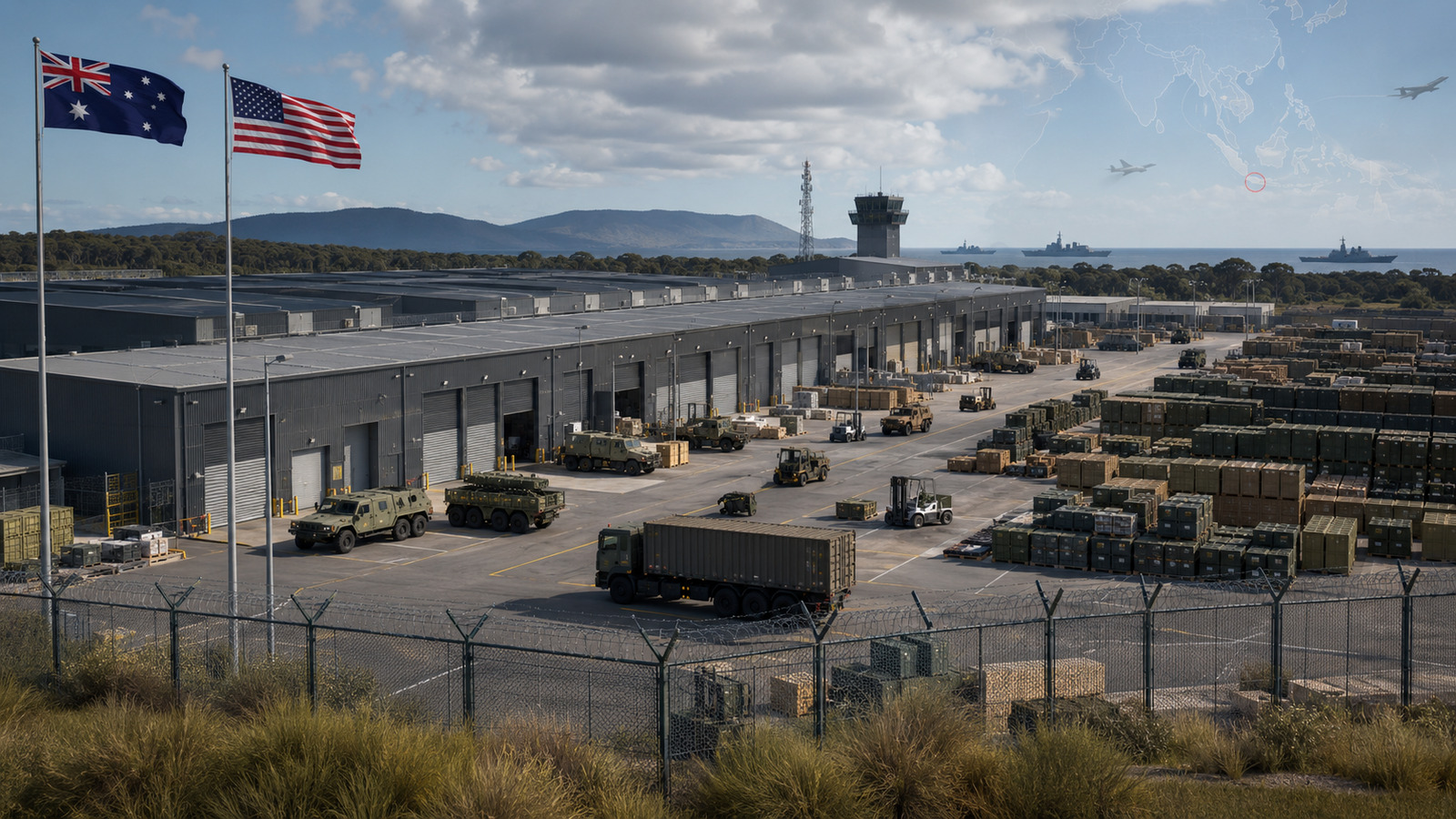
China off the radar: US plans mega $30 million weapons depot in Australia, out of reach of most Chinese missiles, with full capacity expected by 2028


He also suggested that a shutdown could open the door for “irreversible” measures against opponents, such as mass layoffs or cuts to programs supported by Democrats. According to Trump, opposition leaders “are taking a risk” in this confrontation with the White House.
Political Confrontation In Congress
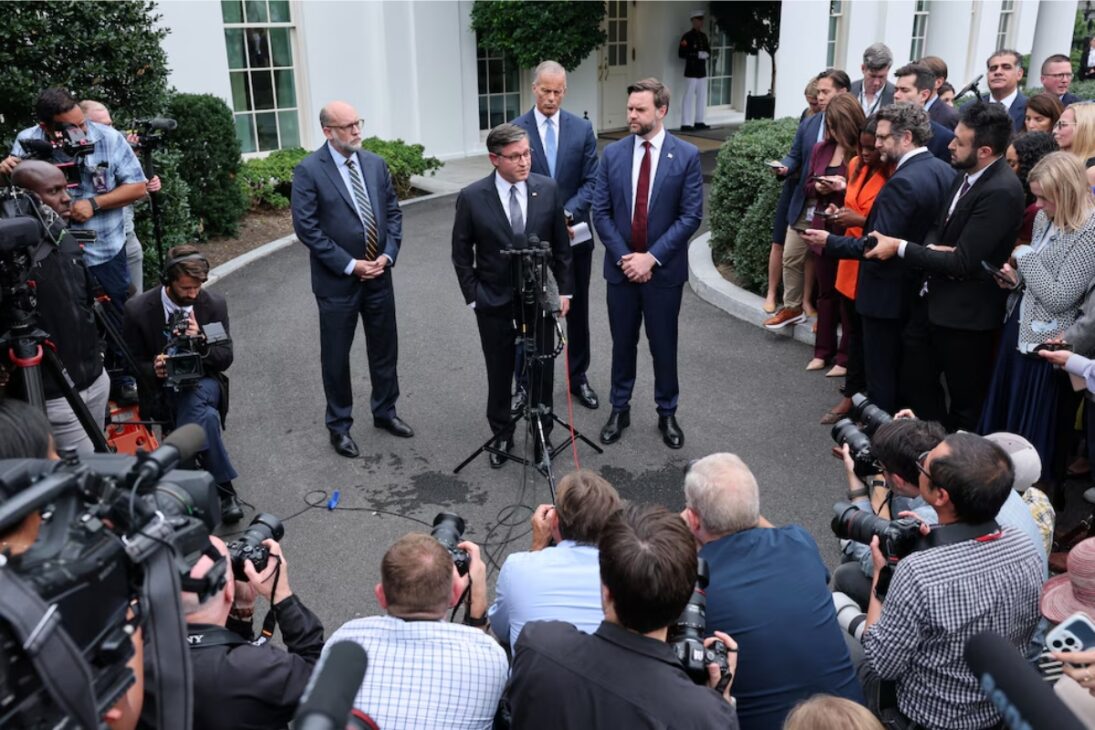
The epicenter of the dispute is in the Senate. Republicans need seven additional votes from the Democratic minority to approve an extension of federal spending.
Without this bipartisan support, any quick solution remains blocked. With just hours to go before the deadline, uncertainty grows among lawmakers, employees, and citizens who directly depend on public services.
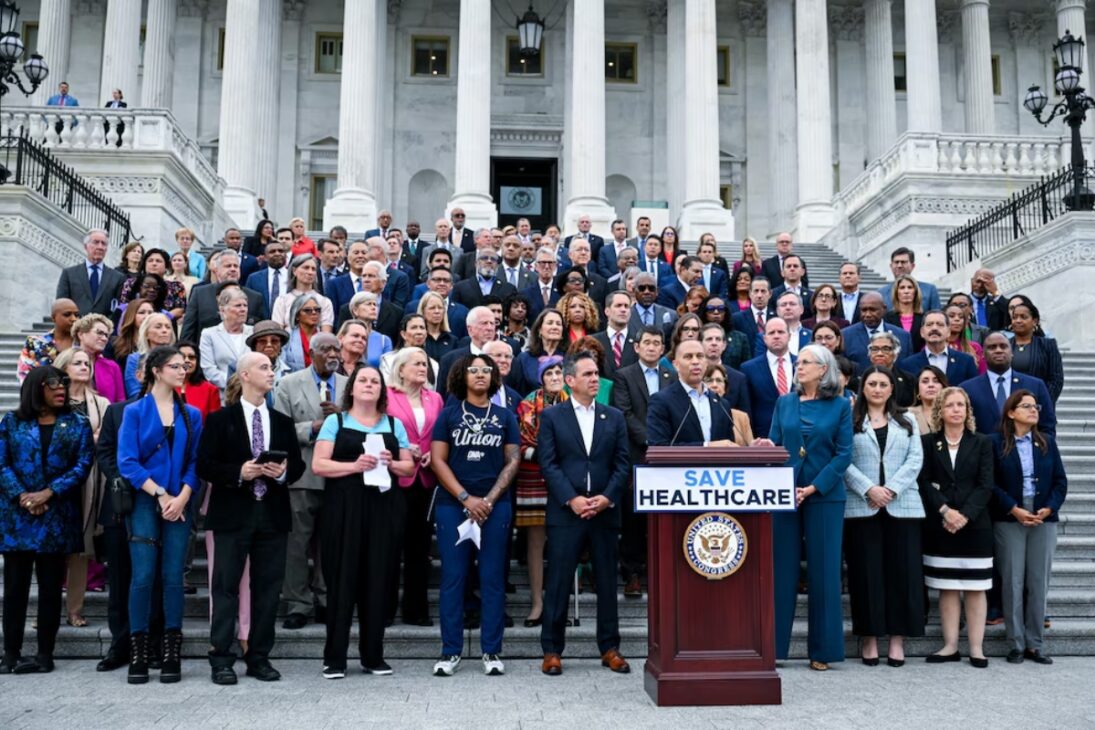
The potential shutdown is not only an administrative crisis but also a high-impact political shock. While the White House insists the responsibility lies with the Democrats, the opposition accuses Trump of using the threat of shutdown as a pressure tool.
Since 1981, the United States has experienced 14 federal shutdowns, all with profound economic and social consequences.
Agencies And Services On Alert
The effects of a shutdown spread across multiple sectors. The Department of Homeland Security (DHS) plans to maintain vital operations such as border control and emergency response but estimates suspending temporarily the salaries of 14,000 of its 271,000 employees.
Agencies like the Transportation Security Administration (TSA) and the Federal Emergency Management Agency (FEMA) will also see their response capacity reduced, although activities classified as essential will remain operational.
In the health sector, programs such as Medicare and Medicaid will continue processing payments but with possible administrative delays. The CHIP program, aimed at children’s coverage, will continue to release funds to states that meet requirements.
Meanwhile, the Centers for Disease Control and Prevention (CDC) will have to suspend more than half of its staff, interrupting research, prevention campaigns, and initiatives against epidemics and overdoses.
At the National Institutes of Health (NIH), about 75% of staff will be placed on temporary leave. This will result in the halting of clinical trials and the interruption of funded studies at universities.
The Food and Drug Administration (FDA), on the other hand, will maintain its most critical activities related to food and drug safety but will suspend routine inspections of factories.
In the State Department, more than half of internal employees will be laid off, although consulates and embassies abroad will remain open to assist American citizens.
Air Transportation Under Pressure
One of the most sensitive sectors will be aviation. Certified air traffic controllers will remain at their posts but may not receive pay while the shutdown lasts.
The national training school for controllers in Oklahoma City will be temporarily closed, worsening the shortage of these professionals in the country.
Pilot and controller associations have already warned that the shutdown threatens the stability of the “safest aviation system in the world,” as highlighted by Jason Ambrosi, president of the Airline Pilots Association.
Consequences For Economy And Daily Life
The Environmental Protection Agency (EPA) will also reduce its activities. Only just over 1,700 employees will remain active in roles considered essential for environmental or public health emergencies.
Research, long-term projects, and extended cleanup efforts will be suspended.
As with previous shutdowns, the consequences extend beyond the public machinery. The shutdown impacts the economy, affects the daily lives of millions of Americans, and undermines national security.
With the deadline rapidly approaching, pressure mounts on legislators and the Trump administration. The country edges closer to a paralysis that will once again test the negotiating capacity between Republicans and Democrats in a scenario marked by extreme polarization.





Be the first to react!