






 Portuguese
  Spanish


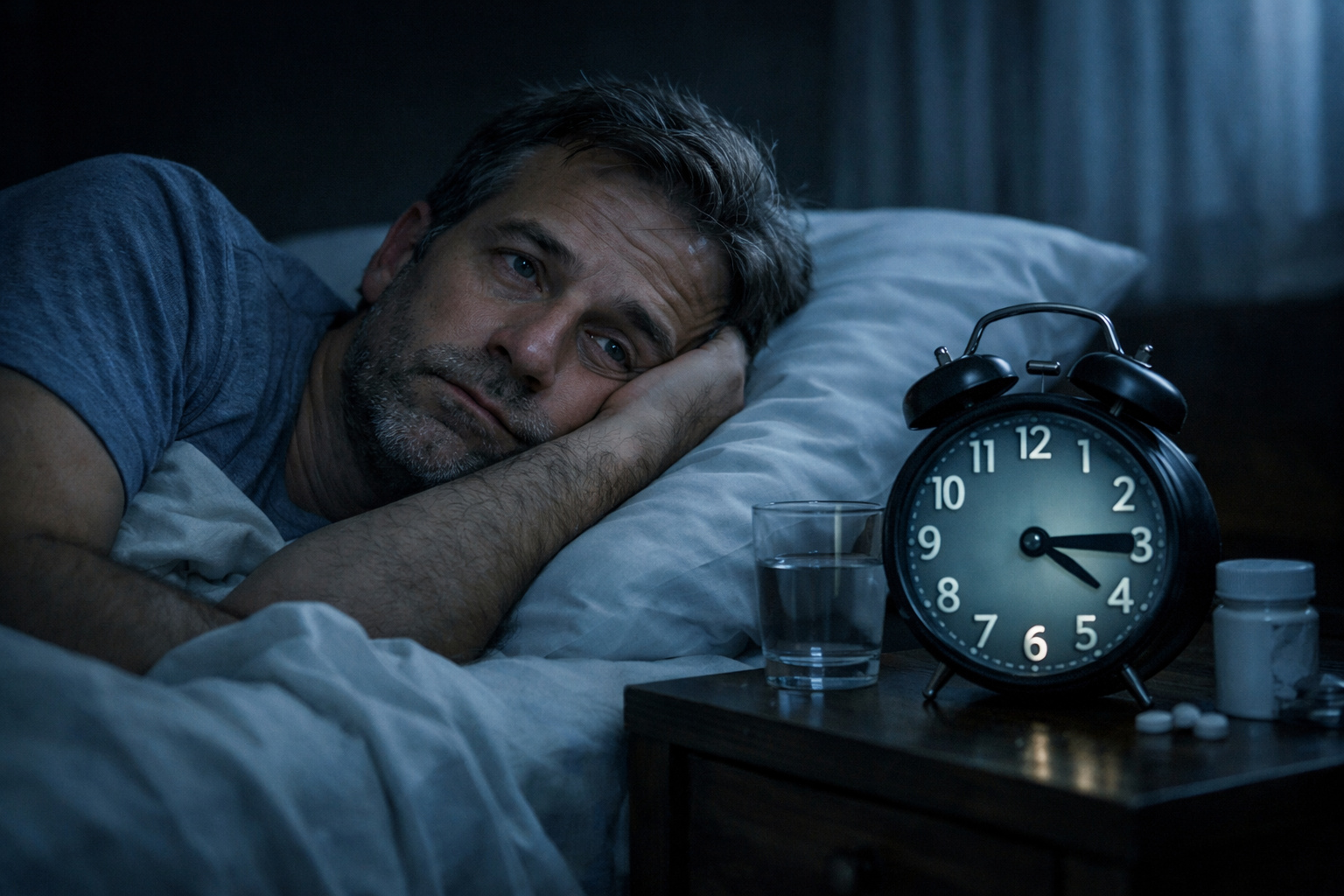


International Research Reveals That Regular Sleep Deprivation Outweighs Poor Diet And Sedentary Lifestyle In Impact On Life Expectancy, Ranking Second Only To Smoking Among Risk Factors Analyzed
Sleeping poorly has ceased to be just a bad habit. Today, it represents a real health risk and longevity threat. A recent study shows that people who sleep less than seven hours a night continuously significantly reduce their life expectancy. Moreover, the negative impact of insufficient sleep surpasses known factors such as an unbalanced diet and sedentary lifestyle.
Currently, many people sacrifice rest in the name of productivity. However, scientific data indicates that this choice comes at a high price over the years. Thus, sleep takes on a central role in the public health debate.
This information was released by the Oregon Health & Science University (OHSU) in the United States and published in the scientific journal Sleep Advances, broadening the global discussion on the importance of sleep as a pillar of health.
-
Digital Transformation Essential in Energy, Oil, and Gas Industries, But IT Infrastructure Often Overlooked

-
Brazilian Students Repurpose Clay Tea Cups to Create Cooler That Lowers Room Temperature by Up to 10°C Without Air Conditioning or Fans
-
353-Year-Old Mystery Deepens as Archaeologist Arrested with Teeth and Bone Fragment Possibly Linked to d’Artagnan, the Real Musketeer Behind Alexandre Dumas’ Inspiration

-
16-Year-Old Invents CoolTowel, a Fitness Towel That Stays Cold for Up to 2 Hours, Wins Global Alibaba Competition with Over 15,000 Participants, Earning $1 Million




Insufficient Sleep Appears As The Second Greatest Risk Factor For Longevity
The study analyzed national health data and arrived at a compelling conclusion. Sleeping less than seven hours a night is directly associated with reduced life expectancy. According to researchers, sleep deprivation ranks second among the factors that most reduce longevity, just behind smoking.
Researcher Andrew McHill, who led the study, emphasized the warning. “We need to prioritize sleep just as much as we prioritize nutrition or physical exercise,” he stated in an interview with Science Daily. As such, the study repositions rest as an essential element of health.
Furthermore, the data showed that loneliness, poor diet, and low levels of physical activity had a lesser impact on years of life. In other words, even those who eat well and exercise can lose longevity if they neglect sleep.
Lack Of Sleep Compromises Vital Functions And Accelerates Aging

Although the study did not delve into biological mechanisms, previous research helps explain the findings. Sleep regulates cardiovascular, metabolic, and immunological functions. During rest, the body repairs cells, balances hormones, and strengthens memory.
When sleep deprivation becomes frequent, the body enters a state of continuous stress. As a consequence, the risks of heart disease, chronic inflammation, diabetes, and obesity increase. Over time, these issues accelerate aging.
Therefore, sleeping poorly affects not just the next day. It compromises health accumulatively and silently over a lifetime.
Brazilians Sleep Less Than Recommended And Can Lose Years Of Life
In Brazil, the scenario is even more concerning. The national average sleep is approximately 6.4 hours per night, below the minimum recommended. This pattern may be subtracting years from the population’s life, according to researchers.
Factors such as excessive screen time, urban stress, and long work hours contribute to this situation. Still, many people treat rest as something secondary. In practice, it should receive the same priority as nutrition and physical exercise.
Thus, the study points to an urgent cultural shift. Sleeping well is not a luxury. It is a direct health and longevity choice.
Do you typically prioritize sleep in your routine or believe that sleeping less is part of modern life?


