Portuguese
  Spanish


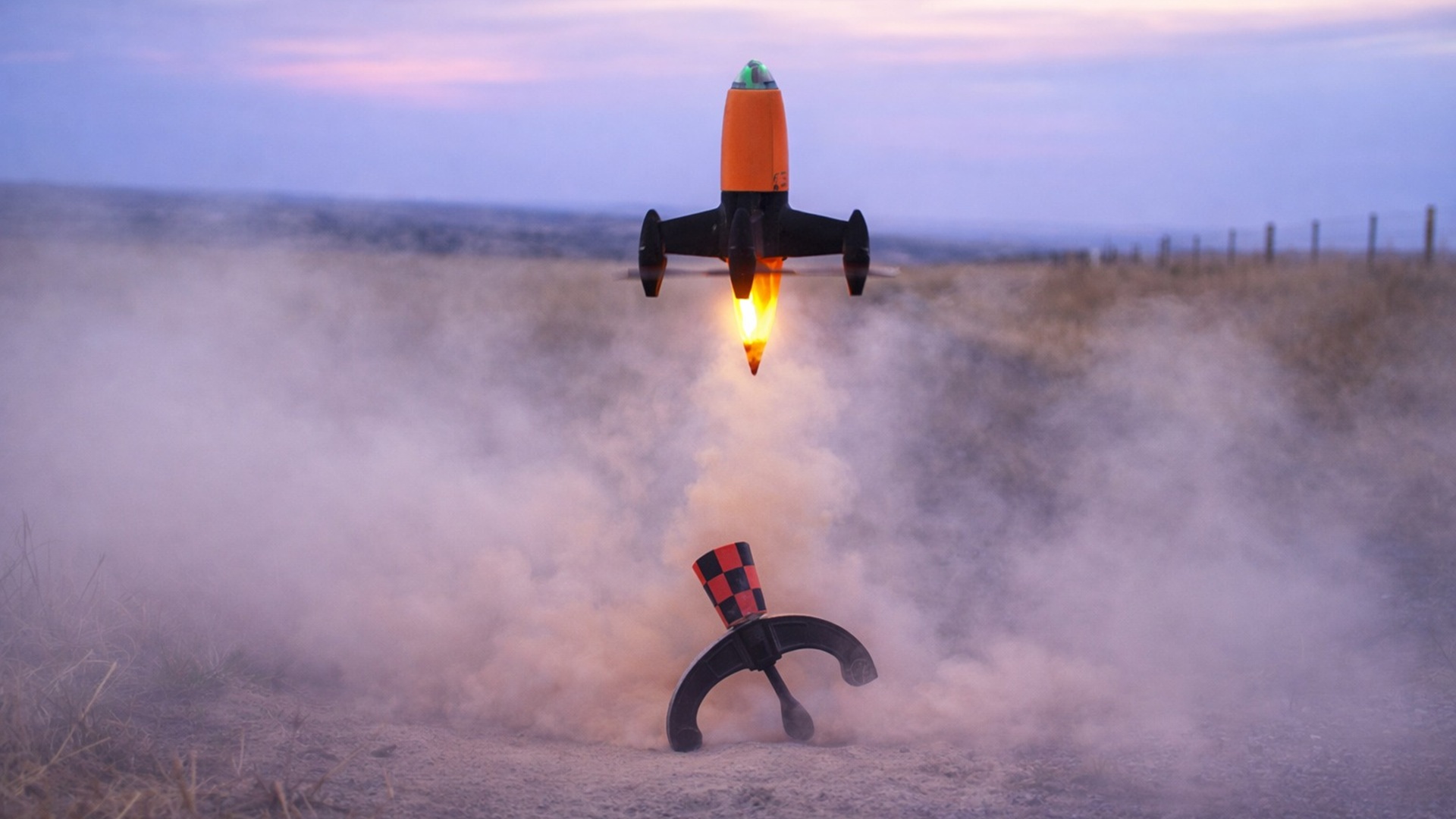


The World Record Was Confirmed After Official Tests Held In December 2025 In Cape Town, Where A Fully 3D-Printed Quadcopter Drone, Developed Over Five Months, Reached An Average Speed Of 657.59 Km/h And Broke Previous Records Validated By The Guinness
A pair of South African engineers, a father and son, reclaimed the Guinness world record for the fastest quadcopter in the world by recording an average speed of 657.59 km/h during a flight in Cape Town on December 11, 2025, surpassing the previous mark and solidifying the feat after official validation protocol.
The record was achieved by YouTuber Luke Bell and his father, Mike Bell, during a test flight of the Peregreen V4, a fully 3D-printed quadcopter developed over five months of intensive technical redesign.
Official Validation From Guinness World Records
According to representatives from Guinness World Records, the highest recorded speed for a remotely controlled battery-powered quadcopter was 657.59 km/h, equivalent to 408.60 miles per hour, achieved in Cape Town, South Africa.
-
Advancement in science: a new plastic developed by researchers in the USA combines structural strength and thermal blocking in a single technology, opening new possibilities for construction, transportation, electronics, and sustainable solutions with a direct impact on global energy efficiency.

-
A 17-year-old student created an artificial intelligent trash can that moves by itself through schools and parks, finds trash, separates waste with 90% success, and turns recycling into an automatic, mobile task that is harder to ignore in busy public spaces.

-
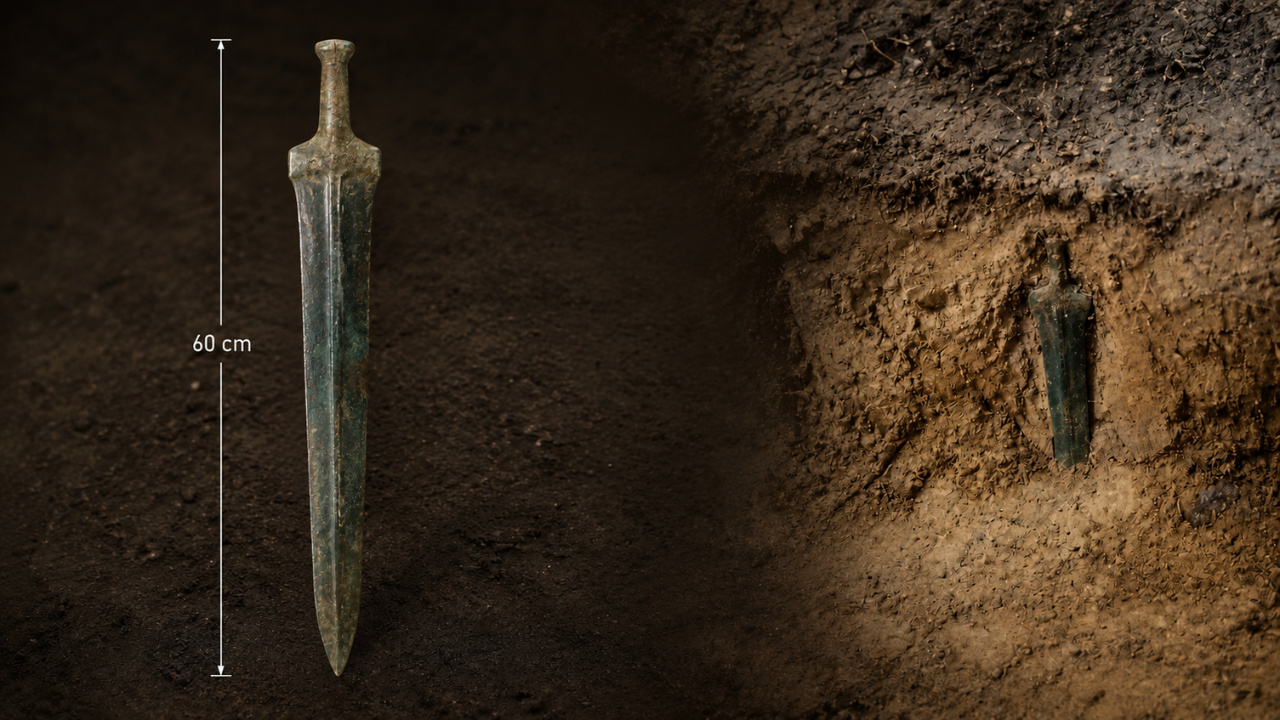
Detectorist finds 2,700-year-old bronze sword embedded vertically in forest in Poland; artifact may reveal ancient Bronze Age ritual
-
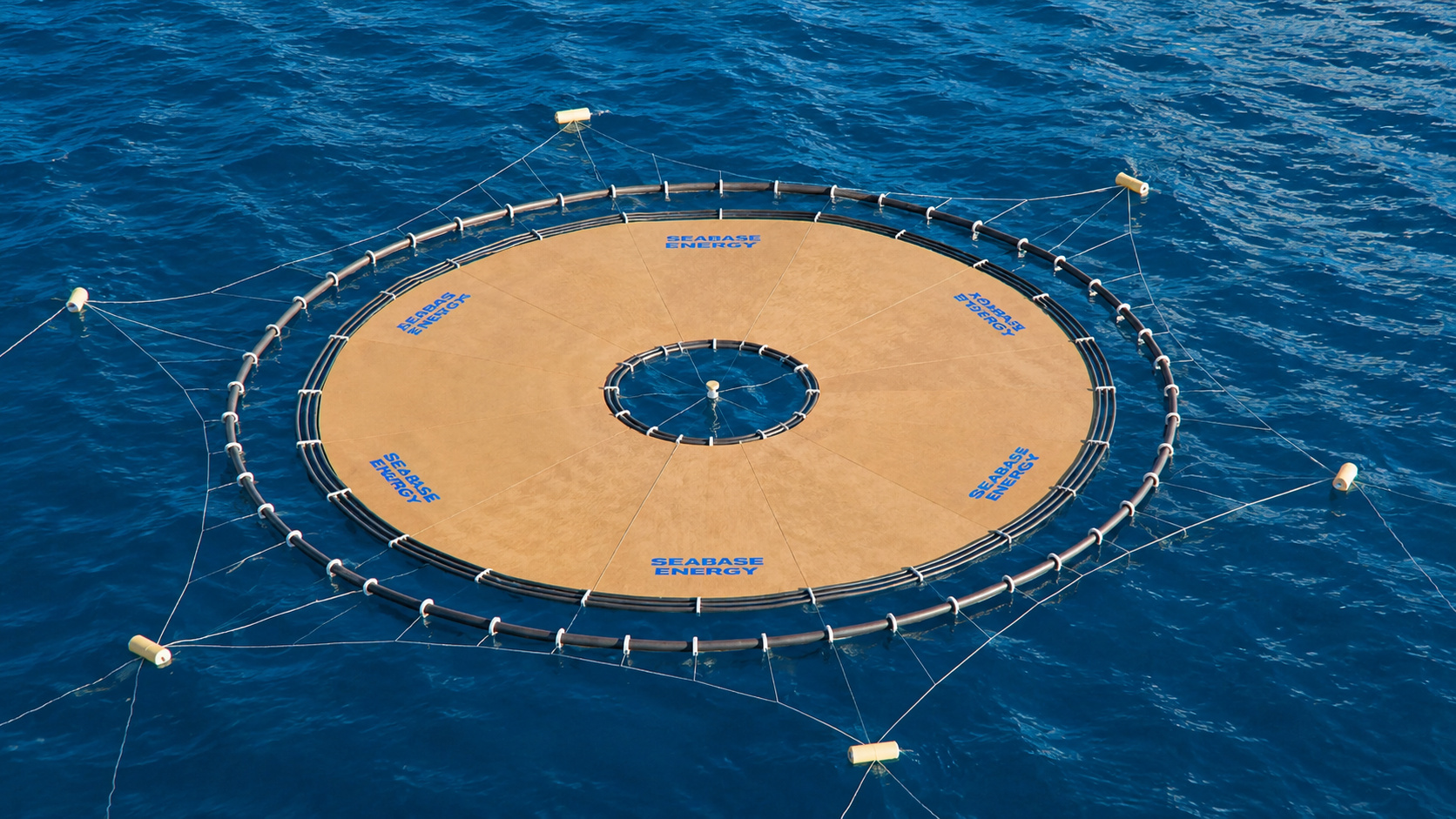
At the bottom of the Mediterranean, Italian engineers have sunk a “plant” in the shape of a giant donut that uses the ocean’s own weight to store energy, storing electricity generated by wind and sun at the sea floor and returning it to the grid without dams, mountains, or chemical batteries.


The result was obtained from the average of two verified runs in opposite directions, a procedure required to eliminate the effects of wind and meet standard validation protocol.
With this, the Peregreen V4 officially became the fastest quadcopter ever recorded by the organization.
Surpassing The Previous Record And History Of The Pair
The new record was set just one month after Australian aerospace engineer Benjamin Biggs briefly claimed the title with his Blackbird drone, which reached a maximum speed of 626.42 km/h, or 389 miles per hour.
According to Guinness World Records, this is the third time Luke and Mike Bell have claimed the world record.
The duo had previously achieved marks of 480 km/h in 2024 and 580 km/h in June 2025, maintaining a consistent performance evolution over the past two years.
Technical Performance And Results Of The Peregreen V4
In addition to an average speed of 657 km/h, the Peregreen V4 reached 599 km/h against the wind, equivalent to 372 miles per hour.
The result represented an improvement of 14 km/h over the duo’s previous model, which had reached 585 km/h.
The tests confirmed that the increase in speed was achieved without compromising the overall stability of the quadcopter. Even with a slightly larger structure than previous versions, the overall performance remained consistent, according to the developers.
Development Process And 3D Printing
According to Luke Bell, the record-setting performance was the result of five months of intense work, during which practically all parts of the drone were examined, reworked, or replaced.
The process combined digital simulations, structural stress testing, and practical experimentation in real flight conditions.
The main body of the quadcopter, the camera mount, and the landing gear were printed as a single continuous piece, utilizing a dual-extrusion 3D printer from Bambu Lab H2D. The larger printing volume and the dual nozzle system allowed for a body with smoother aerodynamics and better surface finish.
According to Luke, this approach reduced structural imperfections and contributed to direct gains in aerodynamic efficiency while simplifying assembly and decreasing drag points, essential for extreme speeds.
Motors, Aerodynamics And Final Optimization
The Peregreen V4 is powered by four enhanced T-Motor 3120 brush motors rated at 900 kV. This rating indicates the speed at which the motor spins per volt applied, with higher kV values corresponding to higher rotations.
Aerodynamic efficiency was increased through extensive CFD optimization conducted on the AirShaper platform, resulting in a larger and smoother body contour capable of reducing drag.
The carbon fiber composite surface was sanded and polished by hand to further improve performance.
Other modifications included reducing the propeller blades from seven by five inches to approximately six inches, a measure taken to improve efficiency at high rotations.
According to Guinness representatives, the duo has been working on this custom quadcopter for over two years, fine-tuning technical details until achieving the current result, considered a milestone in the development of high-speed electric drones.