






 Portuguese
  Spanish


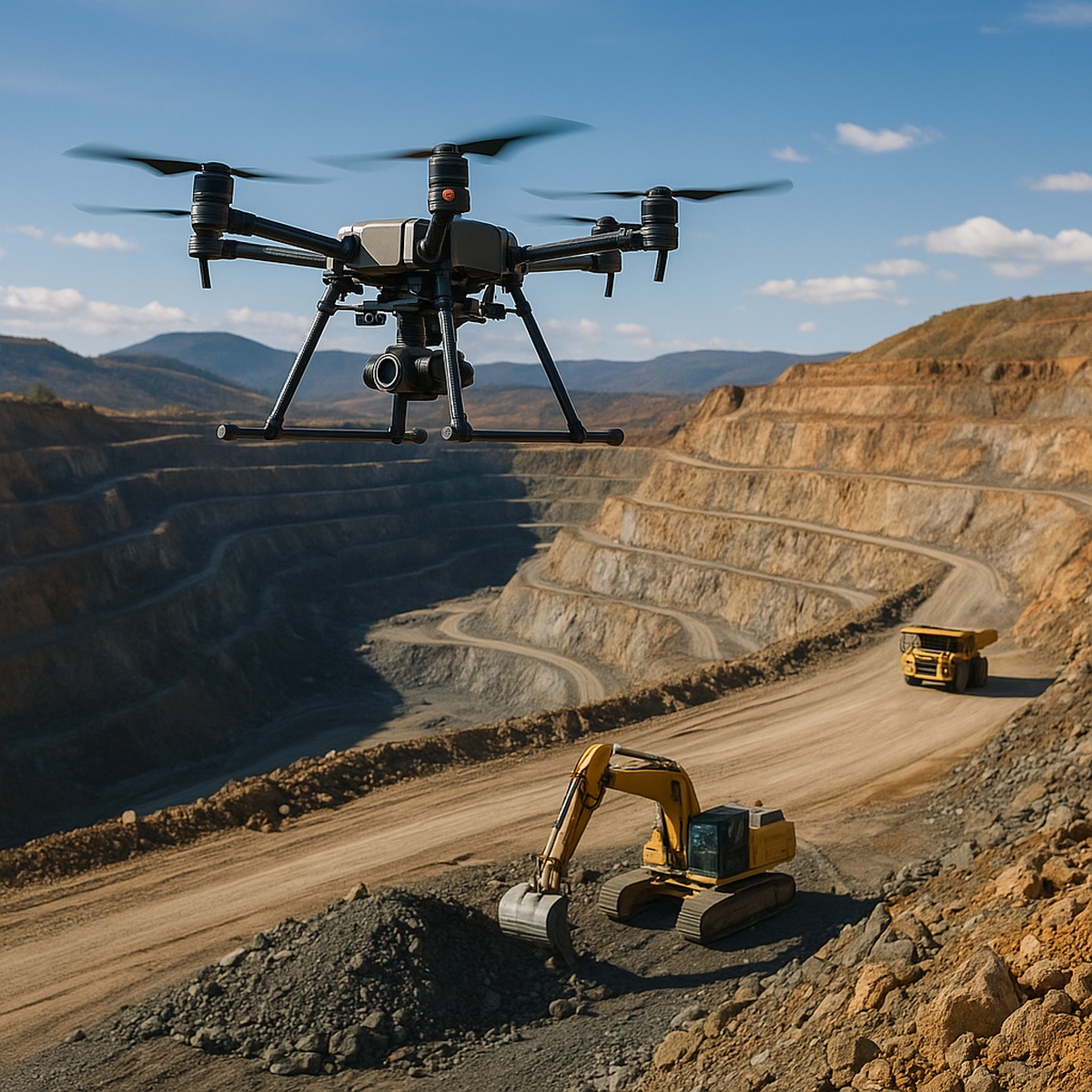
Technology Drives Transformation of Operations and Redefines the Future of Mining, Highlights 2024 Technical Report
The Brazilian mining industry is therefore experiencing a phase of accelerated modernization since 2018. Primarily due to the adoption of high-precision sensor drones, the sector has overcome historical barriers. Thus, this transformation has gained momentum over the past six years, solidifying as a trend in 2024. Pedro Portugal, mining engineer and technical director of Keystone Mining, confirms this scenario, reinforcing the importance of investment in innovation. In this way, remote aircraft have become present in large national projects. Thus, classic challenges in the sector have been overcome, such as access to remote areas, the requirement for high technical precision, and the search for safety for all professionals.
Technical Study Proves Immediate and Strategic Benefits
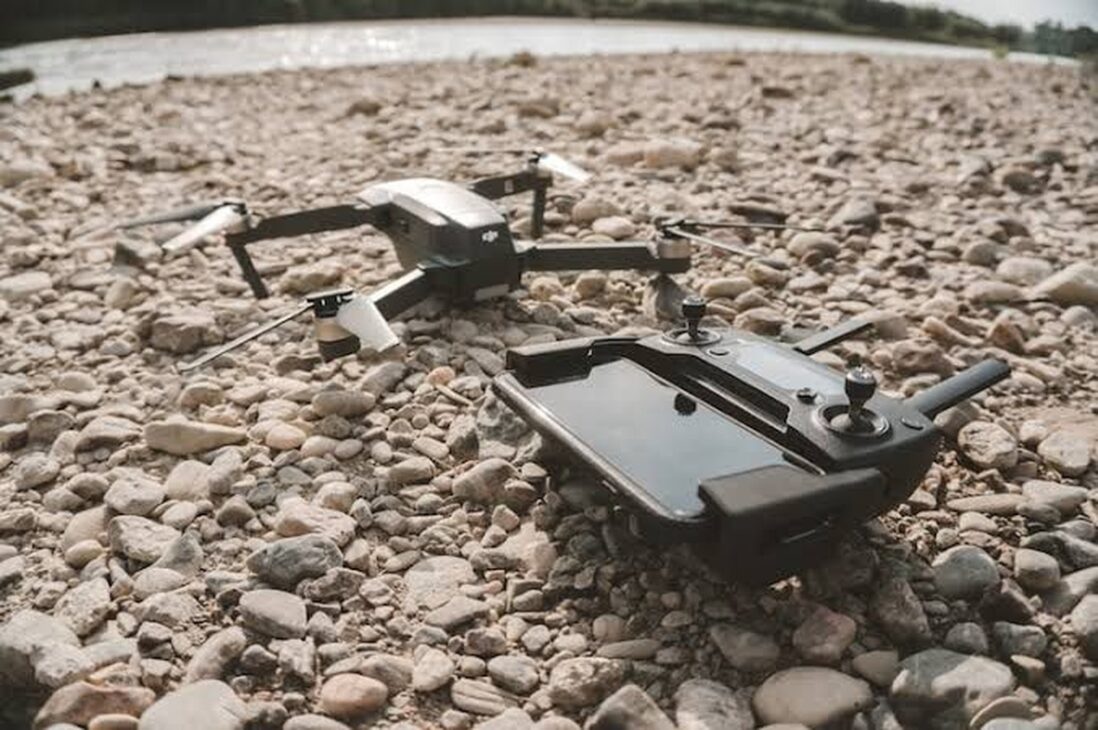
Consequently, the introduction of drones into operations was not just a novelty but a true watershed moment for large-scale mining in Brazil. As shown by the technical report released in May 2024, teams that began using the technology have observed significant gains in efficiency, time savings, and reduction in operational costs. Additionally, Pedro Portugal emphasizes that mapping areas with drones, which was previously done manually over weeks, can now be completed in just a few hours. This occurs without compromising the technical quality of the results. “With ortophotos and 3D models from advanced sensors, we map the terrain with millimeter precision,” states the expert. Furthermore, digital data accelerates strategic decisions, allowing teams to act more quickly in the face of unforeseen events.
Worker Safety Achieves New Level
In addition to the operational gain, there was a significant reduction in risks for professionals in field activities. It is no coincidence that reports from Keystone Mining and Pedro Portugal himself, in June 2024, confirm this evolution. Therefore, “The use of drones reduces the need for expeditions in unstable areas. This makes remote inspection more frequent and safe,” explains Portugal. Thus, the standard of operational safety has risen in projects across Brazil, while there has been a decrease in costs associated with travel and protective equipment. In this way, the sector has strengthened on various fronts.
-
China could reduce iron ore imports from 80% to 50% of consumption by 2030, while its share in global steel production falls from 52% to 46%, in a shift that could reshape the global market, says CMRG.

-
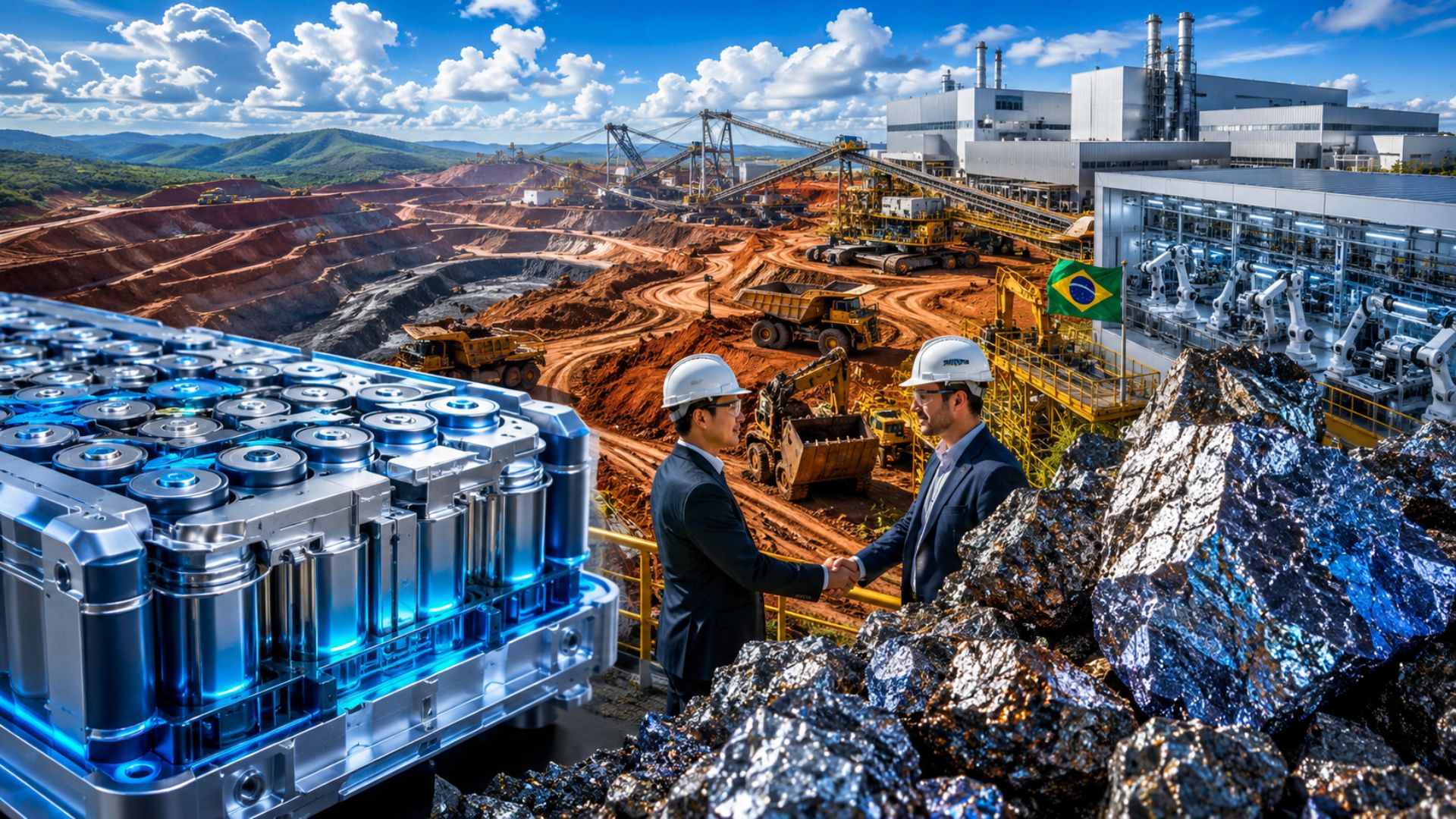
Brazil is sitting on one of the largest lithium reserves in the world, in the Jequitinhonha Valley, but national mining has almost become an appendage of China: 97% of the metal’s export goes to a single country, which also dominates refining.
-
Iron ore falls to 762 yuan in China as real estate sales decline and steel production hits lowest level since 2018
-
Brazil has minerals, clean energy, and a waiting market, but it could miss a billion-dollar opportunity if it doesn’t speed up the race for green minerals, while the steel industry seeks to reduce emissions.


Environmental Monitoring and Data-Driven Decisions
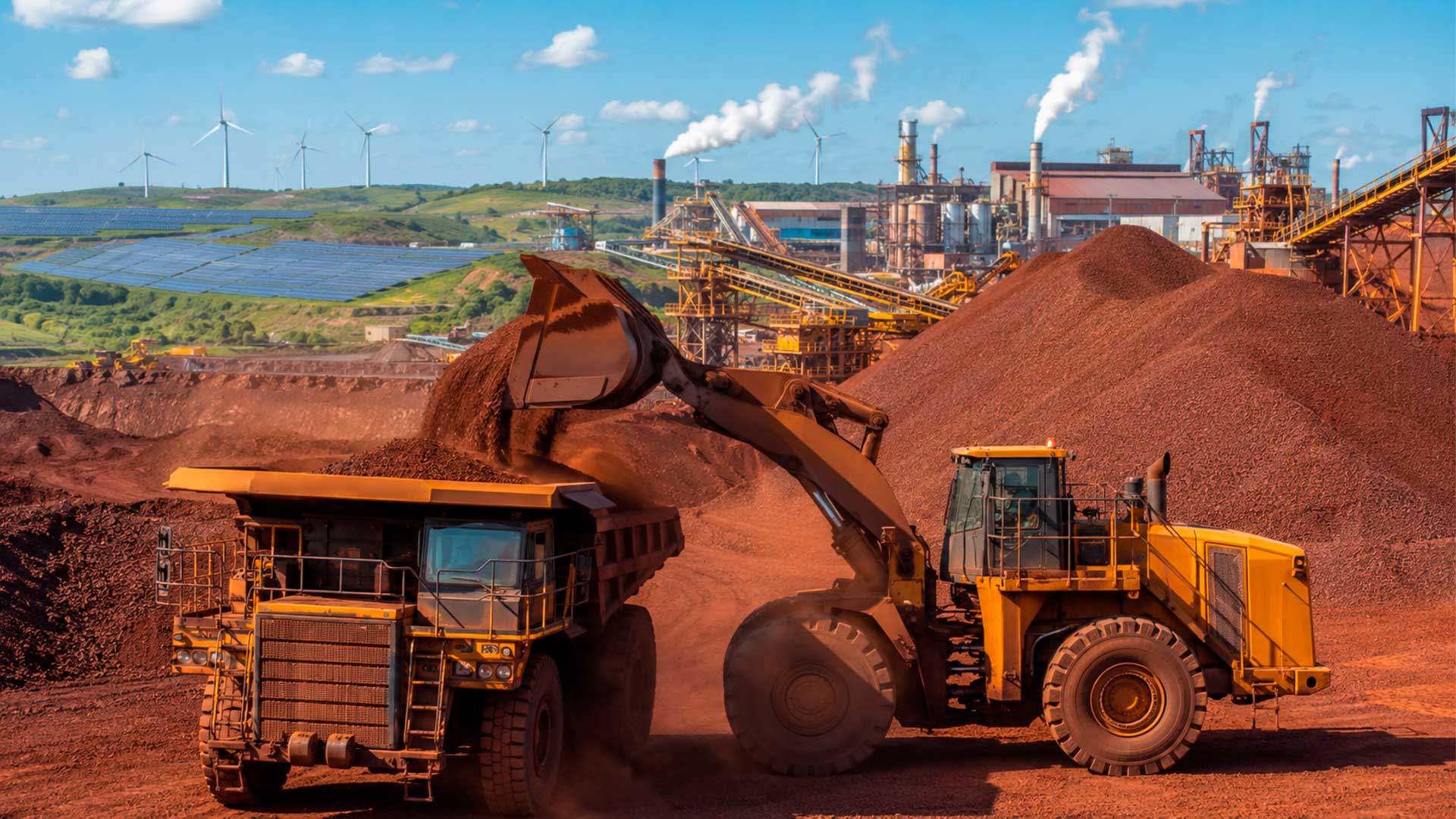
In addition to all these advances, drones enable real-time monitoring of large areas and remote regions. Consequently, the monitoring of levees, mining fronts, and areas of environmental impact has become more efficient and practical. As a result, images transmitted almost instantaneously ensure quick responses to potential bottlenecks, allowing immediate adjustments to processes. Consequently, “Now, we make decisions based on reliable data. Mining becomes much smarter and safer,” emphasizes Portugal. Thus, sector reports from April and May 2024 already consider this practice a reference in the Brazilian market. Therefore, the capacity for frequent remote monitoring has been consolidated.
The Future of Mining Involves Artificial Intelligence and Sustainability
In addition to current achievements, the future of Brazilian mining is already being reshaped. This is because the integration of drones with artificial intelligence and cloud-based analysis opens up new possibilities for the sector. Thus, it becomes possible to predict failures in structures, optimize extraction routes, and design sustainable scenarios, according to recent technical documents and analyses from Keystone Mining. Therefore, Pedro Portugal emphasizes: “This is not just about extracting minerals. We are changing the logic of mining, with social responsibility, environmental commitment, and real efficiency.” Thus, the use of drones has become a reality in 2024, while companies like Keystone view these resources as instruments for profound transformation. Therefore, the sector is preparing for the challenges of tomorrow.
Key Impacts of Drones in Mining (2018-2024)
- Increased safety for workers in the field
- Proven reduction of costs and time in operations
- Millimeter precision in area mapping
- Quick responses and data-driven decisions
- Real-time environmental monitoring
- Preparation for future challenges with integrated technologies
- Growing commitment to sustainability
Sector Overview and International Context
According to international studies published in 2023 and 2024, the Brazilian movement aligns with global trends in innovation. In other words, the use of drones in mining is already common practice in countries like Australia, Canada, and Chile. Moreover, in Brazil, recent reports from Automotive Business and the magazine Exame, April 2024 edition, confirm automation as a key component in sustainable mining strategies. Thus, national operations stand out for their use of cutting-edge technology. The commitment to reducing environmental and social impacts has thus become increasingly evident.
Given these advancements, do you believe Brazil can become a global reference in sustainable and technological mining in the coming years?







-

1 person reacted to this.