






 Portuguese
  Spanish


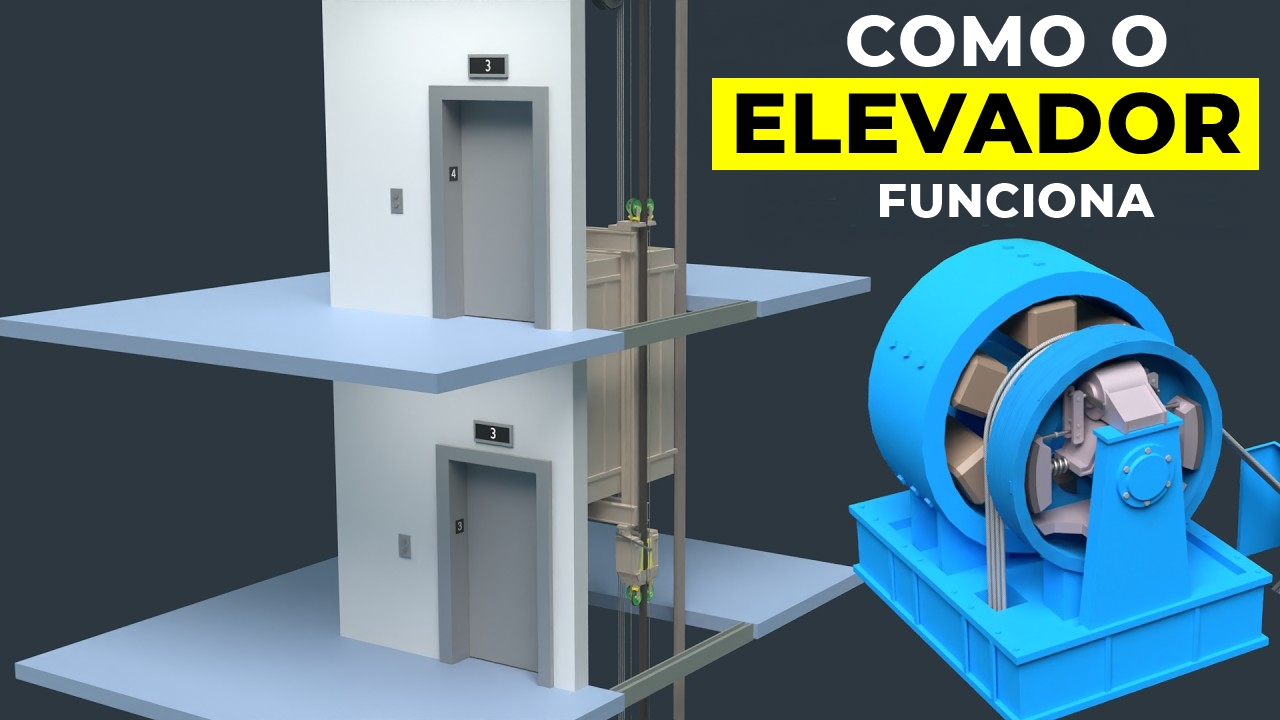

Elevators Are Part of Our Daily Lives, But Do You Know How They Really Work? Discover the Details of Their Mechanism, from Cables to the Counterweight!
Elevators are part of our daily lives, allowing for quick and safe movement in buildings of all sizes. However, few know the history and evolution of this essential equipment. Because of this, we will answer this question: ”How Does the Elevator Work?”.
The invention of the first safety elevator by Elisha Otis in 1853 revolutionized architecture and made the construction of skyscrapers possible.
Today, elevators can reach speeds of up to 12.5 m/s and carry loads of up to 4,500 kg. But how do they work, and what are the main types?
-
Giant 2.2 km Device Sweeps Plastic from Pacific Ocean, Cleaning an Area the Size of a Football Field Every 5 Seconds to Contain World’s Largest Ocean Garbage Patch

-
Brazil’s Public Health System Launches Study on Semaglutide’s Impact on Obesity
-
NASA’s Giant “Space Flower” to Unveil Earth-like Planets by Blocking Distant Stars’ Light

-
A 13-foot robot nicknamed Godzilla is assembling the world’s largest nuclear fusion reactor piece by piece.



In this article, we explore the evolution of elevators, their components, and the role of maintenance in safety.
How Does the Elevator Work?
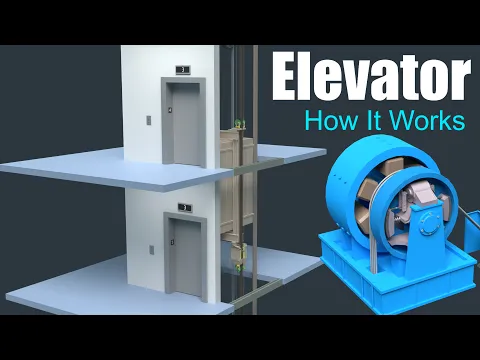

Modern elevators operate with different mechanisms, but most use cables or traction belts connected to a counterweight system.
This mechanism reduces energy consumption and improves transportation efficiency. Another alternative is the hydraulic system, which employs a piston and pressurized fluids to move the cabin.
In both cases, the basic principle of elevation remains similar to that created by Otis, but improved by various technologies that ensure greater comfort, safety, and speed.
Main Elevator Components
Each equipment consists of various essential elements for its proper functioning:
- Cabin: Space where passengers or loads are transported. It has maximum capacity and weight limits determined according to the model.
- Hoistway: Structure where the cabin moves via rails and traction cables.
- Counterweight: Responsible for balancing the load and reducing the motor’s effort.
- Access Floor: Where the doors and call buttons for passenger entry and exit are located.
- Pit Bottom: Contains safety devices, such as buffers and emergency buttons.
- Machine Room: Location of the motors and control panels. In some more modern models, the machine room has been eliminated to optimize space.
Main Types of Elevators
Elevators have evolved to meet different needs and types of buildings. Among the most common models, the following stand out:
- Hydraulic Elevator: Uses a pumping system to actuate a piston and is more suitable for low- and mid-rise buildings.
- Traction Machine Elevator: Operates through cables and a counterweight, being the most common option in commercial and residential buildings.
- Machine Room-less Elevator: A modern model that integrates the traction systems directly into the elevator structure, optimizing space and reducing construction costs.
Importance of Preventive Maintenance
The safety of elevators depends directly on regular maintenance, which can be classified into three types:
- Preventive: Inspection and replacement of worn components before they fail.
- Predictive: Technical analysis based on the useful life of parts to prevent unexpected failures.
- Corrective: Involves the replacement of damaged components after detected failures.
In addition, technical standards regulate maintenance, ensuring safe operation and accident prevention. Specialized companies conduct periodic inspections to keep the equipment in perfect condition.
The Future of Elevators
Technological innovations have propelled the elevator sector, with solutions that increase safety and efficiency. Some trends include:
- Smart Elevators: Control systems that optimize routes, reduce energy consumption, and enhance user experience.
- Regenerative Energy: Technologies that reuse energy generated by the movement of the equipment, reducing operational costs.
- Cable-less: New proposals for magnetic systems that eliminate the need for traction cables, increasing speed and efficiency.
Since its invention by Elisha Otis, elevators have evolved significantly, becoming essential for modern life.
Their operation, based on traction or hydraulic systems, has been improved with new technologies that enhance safety and efficiency. Preventive maintenance is essential to ensure safe and reliable transport.
In the future, smart and sustainable elevators will become increasingly common, transforming urban mobility and enabling new heights in architecture.
If you want to learn more about this equipment, consult experts and keep your building up to date with the best solutions on the market.


