Portuguese
  Spanish


Passengers returning from Mali were stranded in one of the most hostile regions on the planet after a mechanical failure, facing extreme heat, lack of water, and absence of immediate help
A large-scale humanitarian tragedy was recently recorded in the Sahara Desert. Nearly 50 Nigerien citizens died of thirst after the truck transporting them broke down during a return trip from Mali to Niger.
Information released by authorities in the Agadez region, in northern Niger, indicates that the vehicle got lost during the journey and subsequently broke down in a remote area near the borders of Mali with Algeria. Without access to water and no possibility of repair, the passengers remained isolated in one of the harshest regions on the planet.
Data released by the regional government on Thursday reveals that the group was trapped in an environment marked by extreme temperatures, long distances, and lack of infrastructure. The combination of these factors drastically reduced the travelers’ chances of survival.
-
Tragedy in Rio: Three-Story House Collapse on Governor’s Island Kills Two Children

-
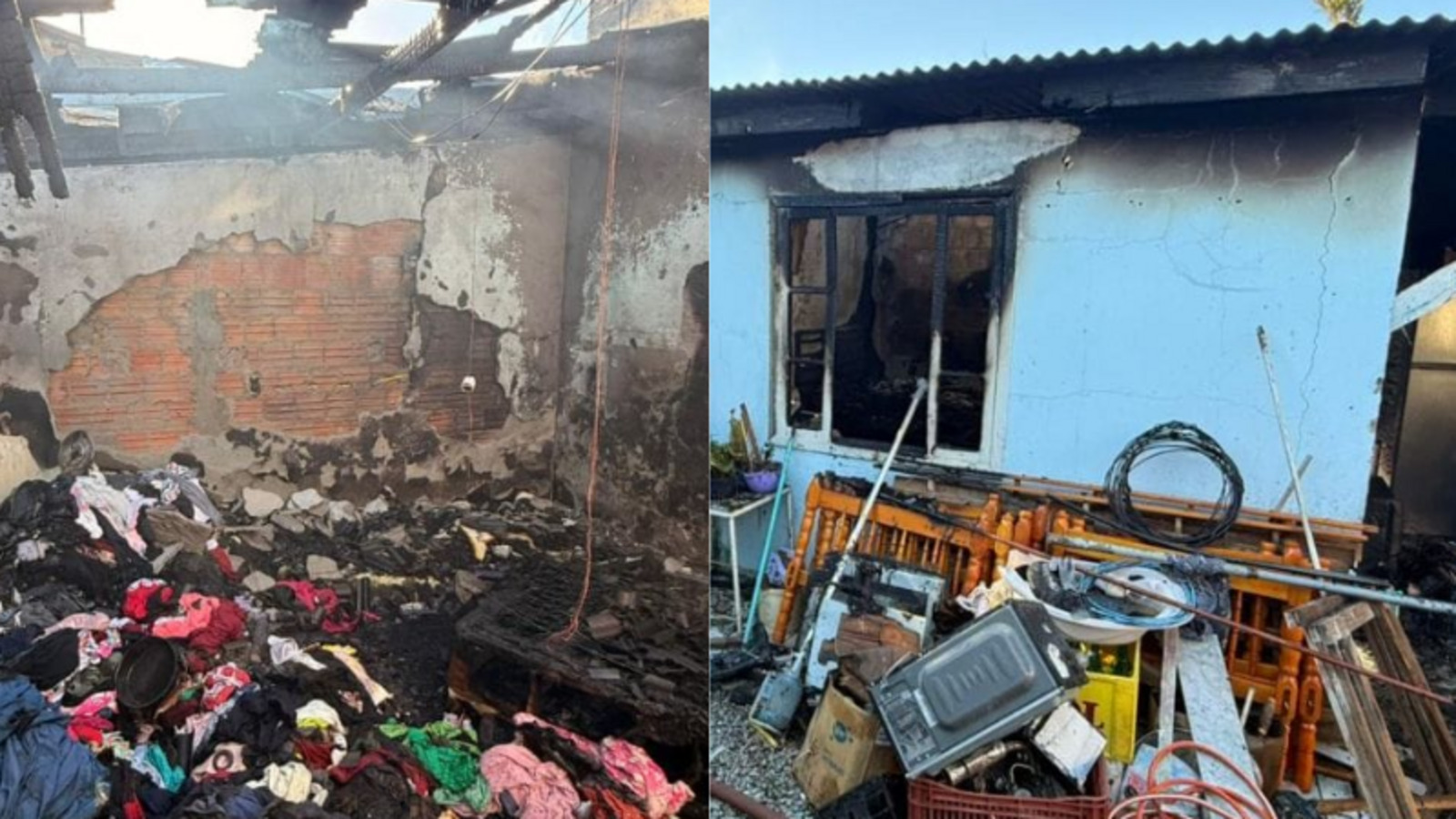
Mother acts quickly and saves 6 children from fire in studio apartment on the coast of SC before firefighters arrive

-
A 21-year-old woman was carried in the arms to the platform and launched from about 40 meters in a bungee jump in Limeira while a rope appeared coiled on the ground behind the group; witnesses were shouting something that no one around managed to stop in time.

-
Unusual incident: a taxi driver stopped at a corner because of a red light and his car with CNG caught fire in Argentina



Breakdown in isolated area turns ordinary trip into extreme survival scenario
A report released by the governor of the Agadez region describes that the passengers were completely isolated after the truck broke down. Lack of water, absence of immediate assistance, and communication difficulties quickly worsened the situation.
The natural conditions of the Sahara contributed to the worsening of the emergency. High temperatures and the absence of supply points turned the location into an extremely hostile environment for any attempt at prolonged stay.
The situation became even more critical because the group could not restore the vehicle’s functionality. Remaining stationary in that region meant facing an increasingly risky scenario with each passing hour.
Two survivors walked dozens of kilometers to seek help
A desperate attempt to save the other passengers led two men to leave the location. Both walked dozens of kilometers through the desert until they reached the nearest town.
The alert made by the survivors allowed authorities to organize a rescue operation to locate the truck and provide assistance to the occupants.
Teams sent to the location found 49 bodies scattered under the vehicle and in the surrounding areas. Emergency procedures were carried out in the region itself due to the logistical difficulties imposed by the desert.
Burials took place in mass graves opened at the site of the tragedy, following protocols adopted by the authorities responsible for the operation.
Another truck was also found stopped with dozens of passengers
Rescue operation also identified a second risk situation in the same region.
Another truck remained immobilized for three days carrying more than 60 people. A mechanical problem related to the battery prevented the continuation of the journey.
Assistance provided by the teams prevented the second case from evolving into a similar tragedy. The episode reinforced the challenges faced by those who depend on these desert routes for travel between countries in the region.
Routes linked to artisanal mining continue to expose workers to great dangers
Movement of young Nigeriens to Mali occurs frequently due to job opportunities in artisanal mining areas.
The search for income leads many workers to cross vast desert areas. Long distances, limited infrastructure, and communication difficulties make these journeys particularly dangerous.
The presence of militant groups in certain regions also increases the risks faced by travelers. In addition, mechanical problems in remote locations can quickly turn ordinary journeys into emergency situations.
The tragedy recorded in the Sahara highlights the challenges faced daily by thousands of people who cross isolated areas in search of work or a return home.
What measure could reduce the risks faced by travelers who depend on these long routes through the Sahara Desert?