






 Portuguese
  Spanish


Emirates reuses 88 tons of plastic, reduces waste, and expands recycling actions that strengthen global sustainable aviation.
Emirates has reached an important milestone in its environmental strategy by reusing over 88,000 kilograms, or 88 tons, of recycled plastic from utensils used in the economy class meal service. The result was announced during the World Environment Day celebrations, held on June 5, highlighting the progress of the closed-loop recycling program launched by the company in June 2023.
According to information from AEROIN on June 4, the initiative is part of an investment of over 50 million dirhams from the United Arab Emirates aimed at creating a system capable of reducing waste generation, increasing material reuse, and strengthening sustainable aviation practices. Besides reducing waste disposal, the project reinforces the principles of the circular economy by transforming unused utensils into new products that return for onboard use.
Emirates bets on the circular economy to reduce waste in thousands of flights
The program developed by Emirates was created to reuse items that would normally be discarded after years of use. Damaged or unused trays, plates, platters, and bowls undergo a complete recovery process before returning to the aircraft.
-
Green Roofs on Homes Gain Popularity for Reducing Heat, Noise, and Rain Impact in Brazil

-
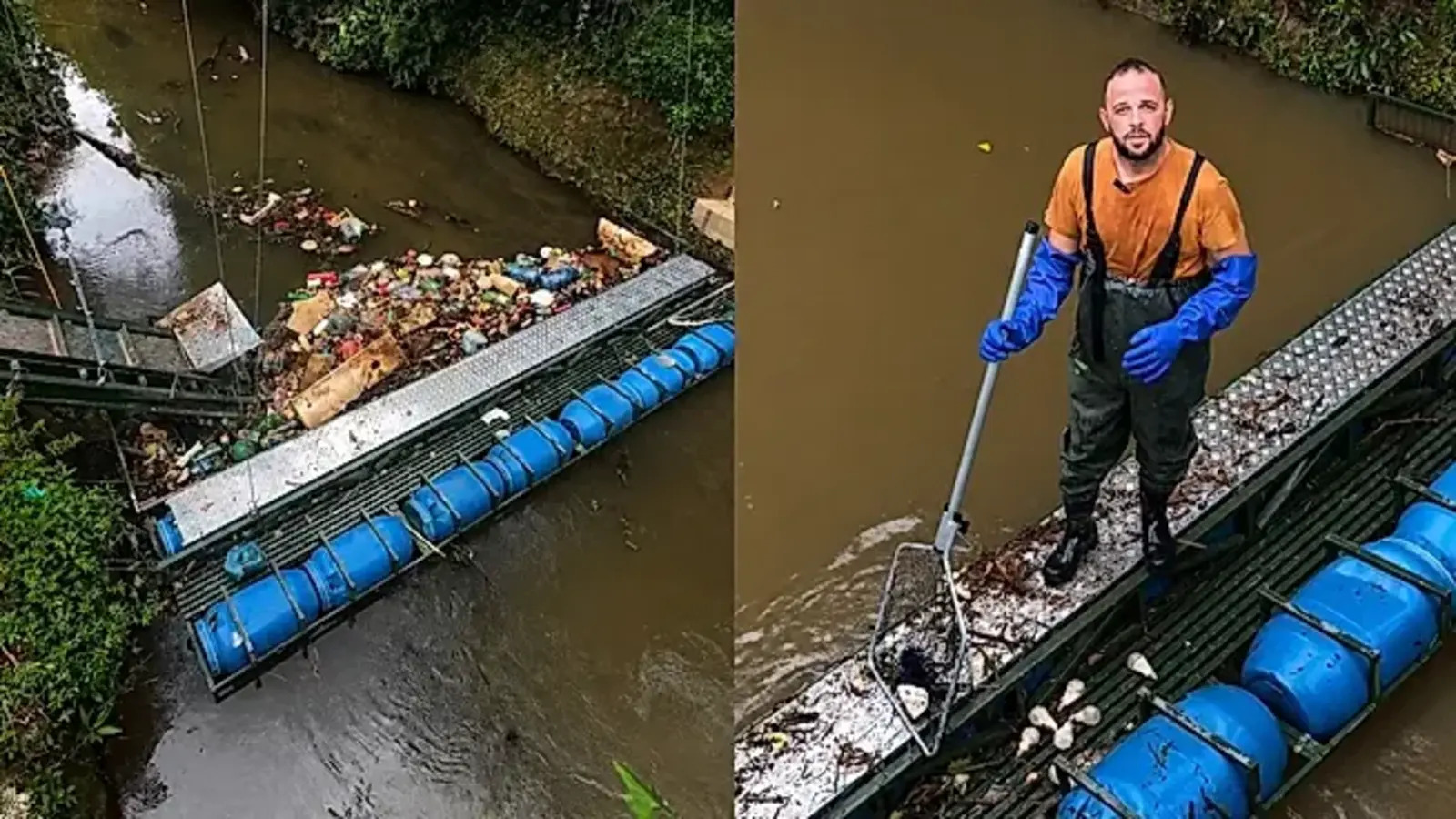
Brazilian promises his children to save a river, creates an eco-barrier in his backyard, has already removed more than 40 tons of trash from the water, and even inspires the idea in other states of the country.

-
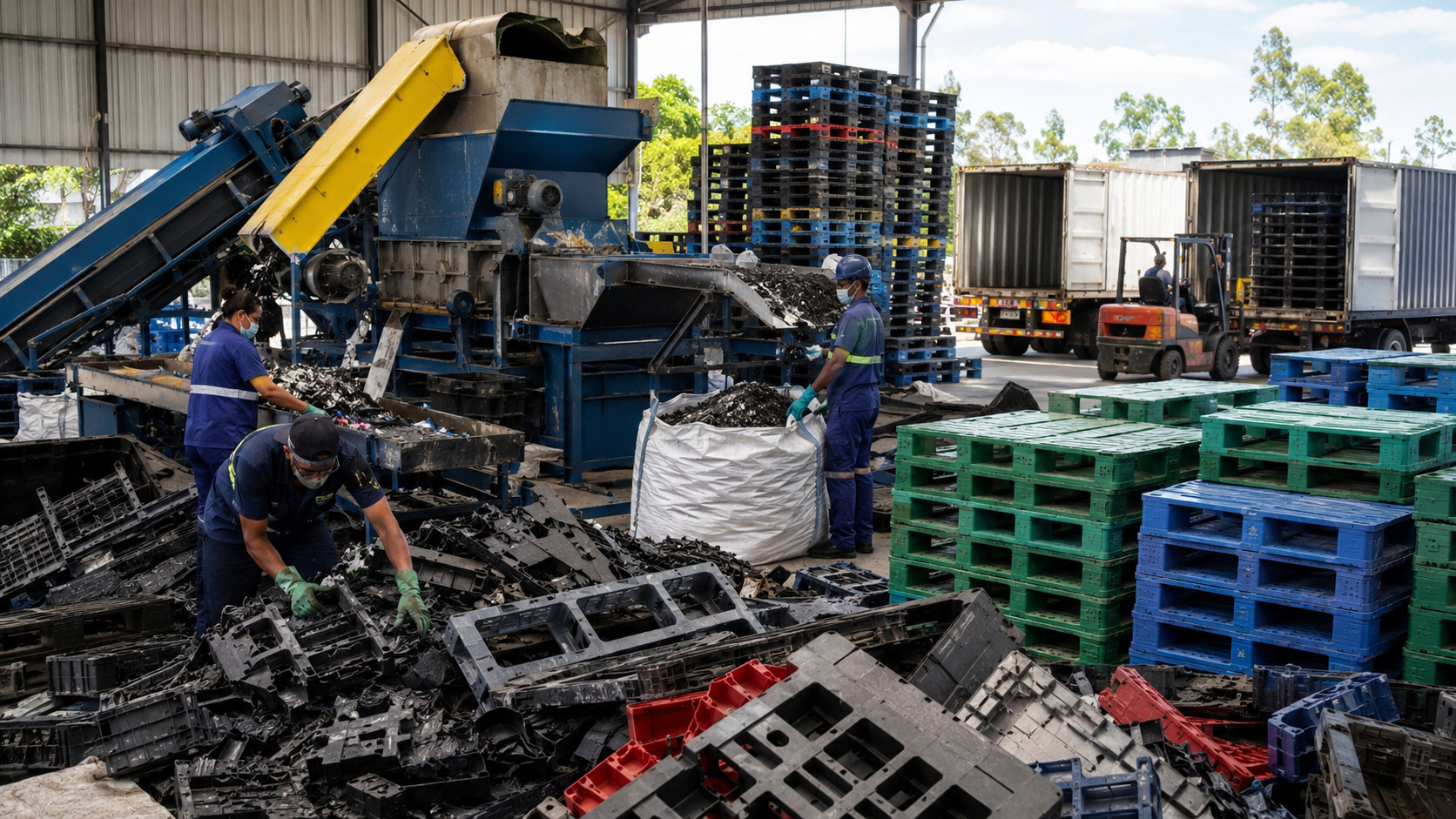
How a Brazilian company created a system that transforms broken pallets of any brand into new assets, recycles 80 tons of plastic per month, and found a profitable solution to a problem that challenges industries across the country.
-
Invasive bullfrog capable of devouring other amphibians and laying up to 20,000 eggs is found in Florianópolis, raising an alert about the threat to native fauna.


The company states that the collected materials are sent to a specialized facility in Dubai, where they are sanitized, inspected, and prepared for a new production stage. The goal is to significantly reduce the amount of waste sent to landfills.
This model allows resources to remain in circulation for longer, reducing the need to produce new materials and contributing to a more efficient operation.
How recycled plastic returns to Emirates passengers
The system adopted by Emirates follows the concept known as closed-loop. In practice, this means that the materials used onboard return to the company’s production chain after undergoing the recycling process.
After collection, the utensils are transformed into raw material and used in the manufacture of new products intended for onboard service. According to the company, the items produced can contain up to 25% recycled material.
The cycle involves several stages:
- Collection of utensils after flights;
- Sanitization and inspection of materials;
- Industrial processing of waste;
- Production of new onboard items;
- Return of products for company operation.
With millions of units used annually, the initiative has the potential to generate significant environmental impacts over time.
Investment of 50 million dirhams boosts large-scale recycling
To turn the project into reality, Emirates invested more than 50 million dirhams from the United Arab Emirates in creating the necessary infrastructure for material reuse.
The investment demonstrates that sustainability has moved from being just a trend to becoming an operational strategy within the airline industry. Instead of treating waste as an isolated problem, the company now sees it as resources capable of returning to the production process.
This change in approach helps reduce environmental costs and strengthens the adoption of practices aligned with the circular economy.
Partnership with deSter strengthens the sustainable aviation strategy
The execution of the project involves the participation of deSter FZE UAE, a company internationally recognized for developing solutions for the aviation sector and specializing in circular manufacturing.
The company is part of the CE100 network, a global initiative aimed at promoting the circular economy among organizations from various sectors. Additionally, it received the Gold certification from Ecovadis, one of the world’s leading references in corporate sustainability assessment.
The facility used in the project incorporates various environmental practices, including:
- Use of solar energy;
- Efficient water resource management;
- Reduction of industrial waste;
- Optimization of raw material consumption;
- Minimization of waste generation.
These measures complement the recycling program developed by Emirates and enhance its environmental benefits.
Less waste and less environmental impact in air operations
One of the main results of the initiative is the reduction of the volume of waste generated by the company’s operations. Instead of being permanently discarded, the materials return to the production system and gain a new utility.
In addition to reducing waste sent to landfills, repurposing helps reduce the demand for virgin plastic. This means lower consumption of natural resources and less need for the production of new materials.
Another important benefit is related to local production in Dubai. Since part of the process takes place in the region itself, there is also a reduction in emissions associated with the transportation of goods.
Emirates expands environmental actions beyond the recycled plastic program
The repurposing of utensils is just one of the sustainable initiatives implemented by Emirates in recent years.
The company also promotes environmental awareness actions through its onboard entertainment system. Among them is the availability of 100 episodes of the David Attenborough Ice collection, created to celebrate the 100th anniversary of the renowned naturalist and to broaden the debate on environmental conservation.
The company has also developed a children’s collection consisting of toys and bags made with at least 50% recycled material. Magazines and tags used in these products also follow sustainable production standards.
Sustainable products gain space inside the aircraft
Emirates’ environmental strategy involves various areas of the passenger experience. The company has been replacing conventional materials with more sustainable alternatives in different products offered during flights.
Among the implemented measures are:
- Reusable bags replacing plastic packaging of First Class bedding kits;
- Headphone packaging made with recycled polyethylene;
- Amenity kits produced with recycled fabrics;
- Biodegradable products in Premium Economy and Economy kits;
- Replacement of plastic straws with certified paper versions.
Another highlight is the blankets used in Premium Economy and Economy classes. According to the company, each unit is equivalent to the repurposing of approximately 28 plastic bottles.
Circular economy gains strength in the transformation of the aviation industry
The search for sustainable aviation models has intensified worldwide. Companies in the sector have been adopting measures ranging from the use of sustainable fuels to programs focused on recycling and repurposing materials.
In this scenario, Emirates stands out by demonstrating that circular economy projects can be applied in large-scale operations without compromising the quality of services offered to passengers.
The reuse of more than 88 tons of plastic shows how small changes in everyday processes can yield significant results when implemented in a structured and continuous manner.
A model that can inspire the future of sustainability in aviation
The Emirates program demonstrates that the combination of investment, innovation, and planning can transform waste into valuable resources. By reusing more than 88,000 kilos of materials that could become waste, the company strengthens its environmental strategy and creates a relevant example for the entire sector.
With the support of deSter, the use of closed-loop processes, and the adoption of practices aligned with the circular economy, the company reinforces its commitment to recycling and the advancement of sustainable aviation. In a scenario of growing environmental concern, initiatives of this type tend to gain increasing importance in building a more efficient and responsible airline industry.




Sorry – this is not journalism, this is a PR piece for Etihad!
It lacks questions and research – instead I smell a good portion of AI.
As mentioned below, the author is “aiming to combine quality, relevance and results.”
Aimed, but missed …