






 Portuguese
  Spanish





Producing Quality Videos Used to Be Synonymous With Complex Software, Powerful Machines, and Long Hours of Work.
But the landscape has changed. Today, with the help of intuitive platforms and cloud-based tools, anyone can edit professional videos in minutes — right from their browser or mobile device.
This new creation model has democratized audiovisual content. Now, you no longer need to be an editor to create engaging, selling, and inspiring content. Platforms like Clideo have made the process quick, visual, and accessible, allowing entrepreneurs, teachers, artists, and independent creators to tell their stories more simply and effectively.
Video editing has ceased to be a technical bottleneck and has become an everyday skill. And the most interesting part: the simpler the process, the more time is left to focus on what really matters — the content and creativity.
-
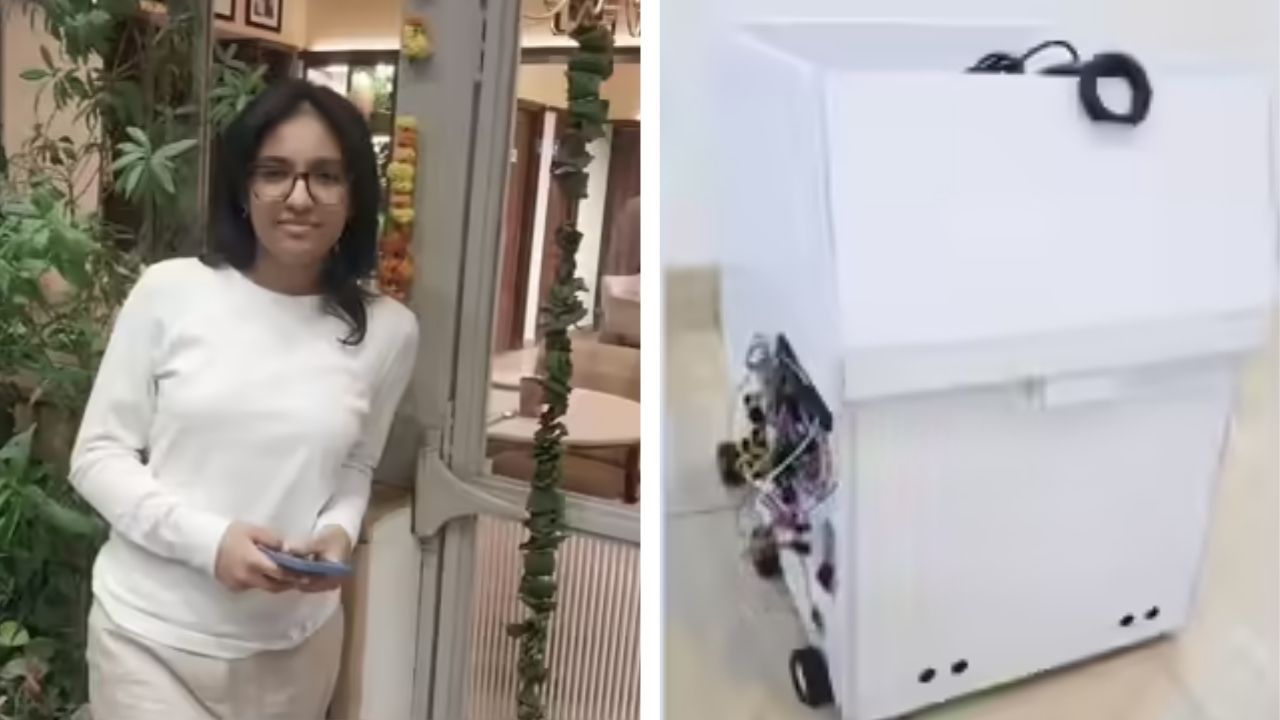
A 17-year-old student created an artificial intelligent trash can that moves by itself through schools and parks, finds trash, separates waste with 90% success, and turns recycling into an automatic, mobile task that is harder to ignore in busy public spaces.

-
Detectorist finds 2,700-year-old bronze sword embedded vertically in forest in Poland; artifact may reveal ancient Bronze Age ritual
-
At the bottom of the Mediterranean, Italian engineers have sunk a “plant” in the shape of a giant donut that uses the ocean’s own weight to store energy, storing electricity generated by wind and sun at the sea floor and returning it to the grid without dams, mountains, or chemical batteries.

-
Scientists create robotic bird that uses articulated wings to maintain balance, mimicking hawks and flying with stability where common drones fail.



Why Simplifying Editing Is Essential
With the increase in digital content volume, time has become one of the most valuable resources for content creators.
Simplifying editing is not just a matter of productivity, but of focus. The less energy the creator spends on repetitive tasks, the more they can concentrate on the narrative and the message they want to convey.
Another point is that well-edited videos, with fluid pacing and clear subtitles, tend to perform better on social networks. Platforms like Instagram, TikTok, and YouTube prioritize content with good retention — and agile editing is a central part of that.
Today, the differential is not who has more resources, but who can publish with quality and consistency.
Tools That Make Editing Lighter
The revolution of online editing is primarily due to cloud tools.
These platforms eliminate the need for complex installations and allow heavy processing to occur on servers, freeing up the user’s computer.
Among the most efficient options are:
- Clideo: A complete online editor that allows you to cut, merge, convert, and subtitle videos without needing to download anything. Ideal for those seeking agility and consistent results.
- Canva Video: Offers ready-made templates and integration with graphic resources. Excellent for social media videos.
- Kapwing: Focused on collaboration and automatic subtitling.
- InVideo: Geared towards advertising campaigns and marketing videos with customizable templates.
These tools are designed to save time and keep the workflow simple. In just a few minutes, it’s possible to transform raw footage into a professional piece, ready to be published.
The Power of Mobile Editing
The mobile phone has become the world’s main video studio.
With powerful cameras and advanced apps, it’s possible to record, edit, and publish without relying on a computer.
This mobility has given rise to a new generation of creators who value speed and spontaneity.
iPhone users, for example, have access to apps that offer cutting tools, color correction, automatic subtitles, and high-resolution export. The Apple ecosystem itself facilitates the process with direct integration between gallery, iCloud, and social networks.
Editing on mobile offers clear advantages:
- Allows for production and publication on the same day.
- Ensures freedom to record from anywhere.
- Reduces costs and eliminates technical barriers.
This autonomy is especially useful for those working with short videos, reels, stories, and quick campaigns that require speed and visual consistency.
Simple Techniques for Editing Better and Faster
Even with the right tools, the secret to good editing lies in habits.
Small changes in the production routine can drastically reduce time spent and elevate final quality. Here are some essential practices:
1. Plan Before Recording.
Define the video’s objective and the type of language you will use. A simple script prevents rework during editing.
2. Record in Well-Lit Environments.
Lighting is the element that most influences video quality. Prefer natural light whenever possible.
3. Cut Pauses and Repetitions.
Dynamic videos hold attention better. Avoid long and silent segments.
4. Add Automatic Subtitles.
Tools like Clideo and Kapwing generate automatic subtitles with excellent accuracy — essential for videos watched without sound.
5. Use Light and Consistent Tracks.
Music creates rhythm and emotion but should complement the message, not compete with it.
These simple practices transform perceptions of professionalism and increase audience engagement.
How Automation and AI Are Transforming Editing
Artificial intelligence is a game changer for video creators.
It is already present in various stages of the process — from automatically selecting relevant clips to synchronizing audio and text.
Modern tools identify speech, adjust cuts automatically, and even suggest format variations for different platforms.
The time savings are enormous. What used to take hours to edit can now be done in minutes, without compromising quality.
This automation allows the creator to focus on more creative aspects, like the script, visual style, and distribution strategy.
With AI, editing videos has become less technical and more strategic — opening up space for more people to create with autonomy.
How to Maintain Consistency and Visual Identity
Besides the technical part, a good video needs to reflect the identity of the creator or brand.
Visual consistency is what creates recognition and trust over time.
Some ways to maintain this standard:
- Use the same colors, fonts, and transition styles in all videos.
- Create a short intro to open or close the content.
- Maintain the same tone of voice and narrative style.
- Repeat visual elements (logos, frames, typography).
Tools like Canva and Clideo make it easy to standardize templates, ensuring each video retains the creator’s “look”, even when produced at different times.
Editing as Part of Communication
Editing videos is not just about cutting and assembling scenes — it is a way to communicate clearly.
The editor decides the pace, emotion, and emphasis of each message. A good cut can transform an ordinary speech into something impactful.
That’s why understanding the logic of narrative is just as important as mastering the tools.
When technique and purpose walk together, the video transcends being just informative and becomes memorable.
Entrepreneurs, educators, and marketing professionals who master this combination can easily differentiate themselves. In a world saturated with content, good editing is the filter that separates what is merely “watched” from what is truly remembered.
Editing videos online has become a simple, creative, and accessible task.
With modern tools like Clideo and apps optimized for iPhone, anyone can transform ideas into professional videos — without needing expensive equipment or technical knowledge.
The secret lies in simplifying the process: automate what is repetitive, plan what is strategic, and dedicate more time to what truly matters — the content.
In the end, technology is there to ease the way, but it is creativity that brings each frame to life.
And the simpler it is to edit, the more space is left to tell great stories.


