Portuguese
  Spanish


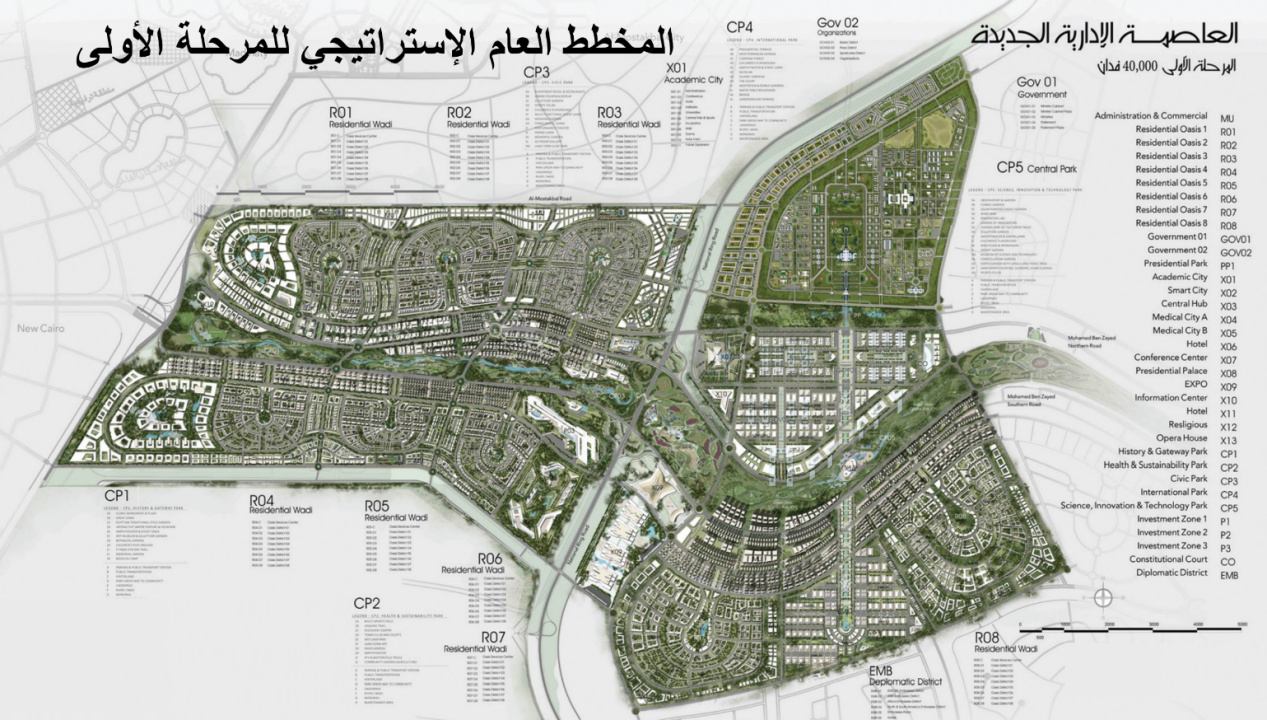

Egypt Invests US$ 60 Billion in New Administrative Capital, Which Will Feature a 385 m Skyscraper, Transferred Ministries, and Space for 6.5 Million Inhabitants.
Egypt is in the midst of one of the largest urban transformations in its history. In order to address the overcrowding in Cairo, which currently has over 20 million inhabitants and faces chronic issues of mobility, pollution, and lack of housing, the government has decided to build a New Administrative Capital (NAC) from scratch. The monumental project, estimated to cost around US$ 60 billion, aims to become not only the new seat of the Egyptian government but also a hub for business, technology, and futuristic urbanism. With a projected area of over 700 km², the new city will be larger than Brasília’s Pilot Plan — a landmark of modern architecture in Brazil — and will have the capacity to accommodate up to 6.5 million residents in the coming decades.
Grandeur in Numbers
The project for the New Administrative Capital is impressive:
- Total Area: over 700 km², double the size of Brasília.
- 385-Meter Skyscraper: the Iconic Tower, currently under construction, is already the tallest building in Africa.
- Space for 6.5 Million People: projected capacity to house a significant portion of the Egyptian urban population.
- Estimated Cost: around US$ 60 billion, partly financed through partnerships with Chinese companies and private investments.
Additionally, the master plan includes residential neighborhoods, business centers, universities, hospitals, green spaces, and even a monumental-size replica of Tahrir Square.
-
28-meter, 156-ton titans traveled 20,000 km from China to the port of Santa Catarina: Portonave received 7 fully electric megacranes, part of a R$ 210 million package, to double container handling.

-
They exchanged the idea of a large house for a 35 m² warehouse, spent US$ 12,000 on the structure, and created a tiny house in Colorado with space to live and work.

-
A newly opened terminal in the middle of the Amazon has begun transporting soy and corn through Amapá, eyeing the queue of ships that is congesting the ports in the South.

-
Goodbye to old tiles: renovation technique without construction transforms bathrooms in a few hours, eliminates debris, and reduces costs with coverings using special paints, high-resistance adhesives, and modern finishes that completely renew the space.


Transfer of Ministries and Public Agencies
One of the key aspects of the project is the transfer of the public administration. The government plans to relocate over 30 ministries and agencies to the new city, including the parliament and the presidential residence.
According to Egyptian authorities, about 50,000 public servants are already on the list for gradual relocation. The process is expected to take years, but the goal is for Cairo to be relieved of administrative burdens and to serve more as a historical and tourist center.
The Role of China and Foreign Investments
Much of the construction of the New Capital involves foreign companies, especially the China State Construction Engineering Corporation (CSCEC), responsible for building the Iconic Tower and various residential and commercial complexes.
The billion-dollar agreements with China highlight the strategic partnership between the two countries and solidify Egypt as part of the Chinese Global Investment Belt, aligned with the Belt and Road Initiative.
The Smart City That Promises to Be a Reference
The New Capital is designed to be a “smart city”, equipped with integrated surveillance systems, digital traffic control, sustainable energy, and intensive use of urban management technologies.
Among the highlights:
- Electric grid with greater use of renewable energy.
- Integrated Rapid Transport Systems connected to high-speed rail and monorail lines.
- Digital infrastructure to monitor public services, security, and mobility in real-time.
For proponents of the project, it represents an urbanism model that could position Egypt as a reference in the Middle East and Africa.
Criticism and Challenges
Despite its grandeur, the project has not escaped controversy:
- High Social Cost: Critics argue that the investment of US$ 60 billion could be directed towards existing hospitals, schools, and infrastructure in Cairo.
- Social Exclusion: There are doubts about whether the new city will be accessible to low-income populations or remain restricted to political and business elites.
- Economic Viability: Maintaining a city of this scale requires ongoing expenditures, and parts of the international press question whether there will be real demand for so many properties and services.
Close
Still, the government insists that the NAC will be essential for Egypt’s future, relieving pressure on Cairo and opening up space for economic growth.
Egypt and Its Place in the Modern World
The New Administrative Capital is not just an urban solution. It is part of a broader strategy by Egypt to reposition itself in the international arena as a modern regional power attractive to foreign investments.
Just as China builds futuristic cities and Saudi Arabia constructs megaprojects like The Line and the new King Salman Airport, Egypt is seeking its place among the countries that dared to reconfigure their territory to gain global influence.
A New Face for 21st Century Egypt
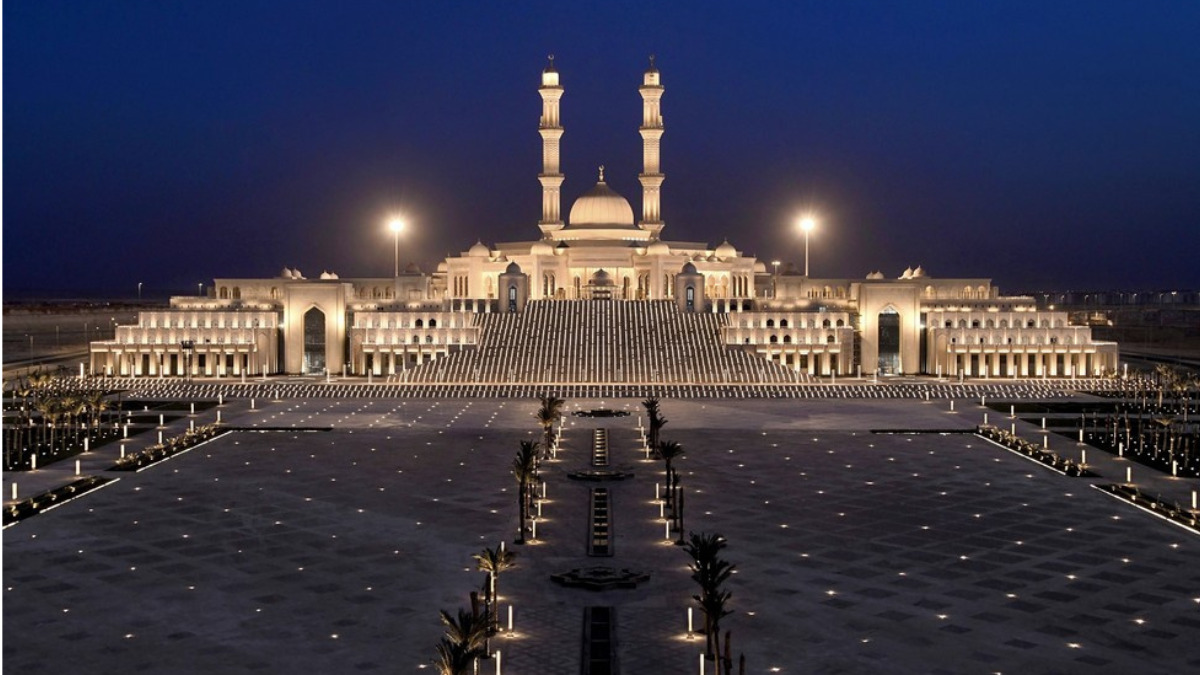
The New Administrative Capital is still under development, but it already symbolizes a historic change.
Egypt, home to some of humanity’s oldest constructions, such as the Pyramids of Giza, is now betting on one of the most modern planned cities in the world.
If it achieves its goals, the country could not only relieve Cairo but also join the select group of nations that have built entire cities as symbols of their strength and ambition.
Amidst criticism and expectations, the future of the Egyptian New Capital remains uncertain — but one thing is already certain: its size, cost, and ambition place it among the largest urban projects of the 21st century.