






 Portuguese
  Spanish


The possible debut of Brazilian panda bonds reinforces the search for financial diversification, closer ties with China, and new sustainability instruments
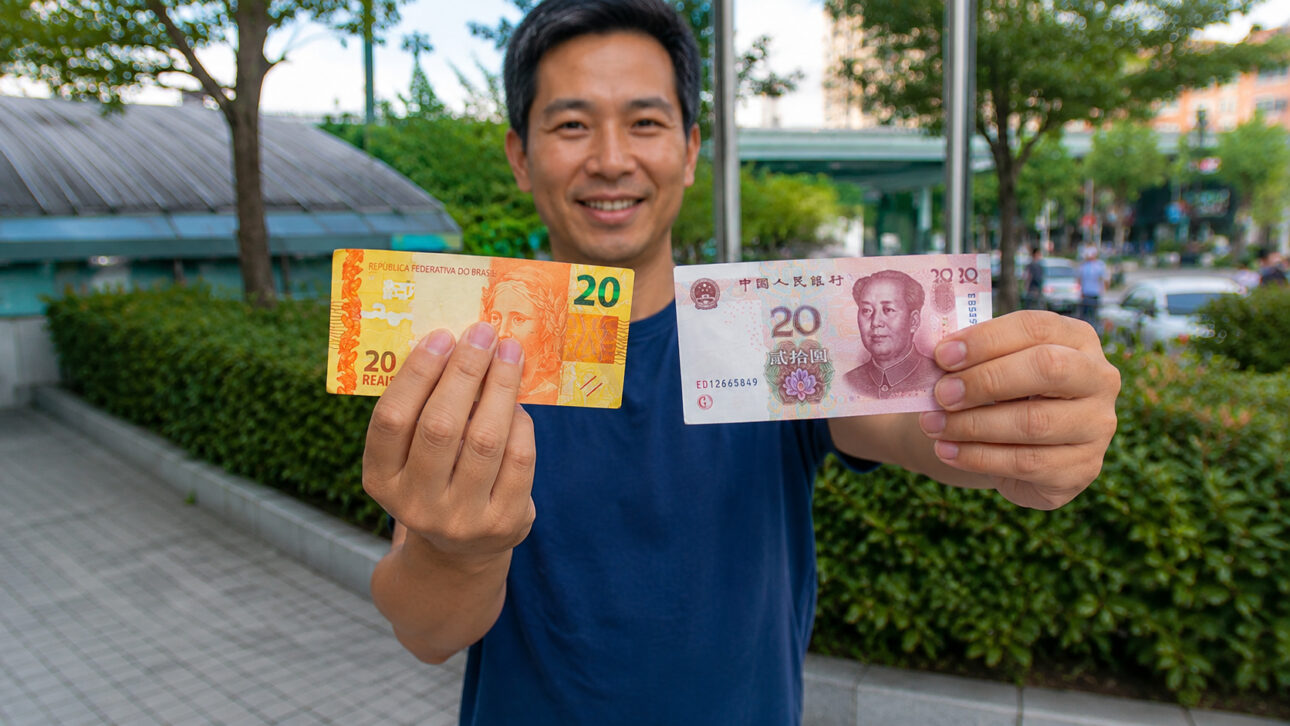
An unprecedented financial operation has started to stir the backstage of the Brazilian government and placed China at the center of the external debt strategy. Brazil plans to announce its first sovereign issuance of bonds in yuan during a trip by Brazilian authorities to Shanghai and Beijing, scheduled to take place between June 24 and 26. According to Reuters, two sources with direct knowledge of the matter stated that the plan involves the so-called panda bonds, bonds sold by foreign issuers in the Chinese market. The measure comes after the country raised 5 billion euros in April, in the first euro-denominated debt issuance since 2014, which gave new momentum to the strategy of expanding Brazil’s presence in international debt markets.
Issuance in yuan reinforces the government’s technical plan
The operation appears as part of an agenda presented at the beginning of the year to diversify the currencies used by Brazil in external fundraising. The move reduces concentration in traditional issuances and expands the country’s access to international investors. Furthermore, the choice of the Chinese market gains strength because China is Brazil’s largest trading partner. The issuance in yuan, if confirmed, will represent a relevant technical step for the Brazilian government. The Ministry of Finance was contacted but did not comment on the matter.
Official trip will have a financial agenda in China
The agenda in the Chinese cities will be led by the Minister of Finance, Dario Durigan, during commitments scheduled for the end of June. Before the main visit, Brazilian authorities are expected to travel to China for a meeting of a financial subcommittee, which brings together agencies from both countries. This preparatory meeting is expected to organize part of the economic agenda and align topics of common interest. The mission, in preparation for months, occurs at a time of strengthening relations between Brasília and Beijing.
-
Brazilian Civil Servant Earns $2,800 Monthly but Seeks Legal Help as Bank Loans Consume Nearly 80% of Income

-
Brazilian Pet Industry Giant with $6 Billion Valuation Targets 24 Million Customers, Launches Franchise Model with Six Revenue Streams and $7.80 Subscription Plan for National Expansion

-
Daughter of a Mechanic, Roberta Pirolla Turns Passion for Cars into a Million-Dollar Vehicle Wrapping Business Set to Grow 75% in a Male-Dominated Industry

-
At 30, Thyago Plácido turned Innova into a solar energy operation serving central Brazil with over 300 projects completed.


Sustainability enters the center of negotiations
During the preparatory mission, the Brazilian government is expected to present financial instruments linked to the sustainability agenda. Among them are the blended finance auctions of the Eco Invest program, which use public capital to attract private investments. Brazil is also expected to highlight the Tropical Forest Forever Facility, a fund aimed at protecting tropical forests, in addition to advances in creating a domestic carbon market. According to one of the sources heard, these instruments are considered essential to boost direct Chinese investment in strategic sectors of the Brazilian economy.
Relationship with China gains political and economic weight
The trip takes place after President Luiz Inácio Lula da Silva praised the deepening of relations with China. The move also comes amid setbacks with the government of United States President Donald Trump, who proposed new tariffs on Brazilian products and classified criminal groups in the country as terrorist organizations. This scenario increases the importance of rapprochement with Beijing within Brazil’s economic strategy. The issuance of bonds in yuan, therefore, arises in an environment of diplomatic, financial, and commercial reorganization.
Panda bonds may open a new stage for Brazil
The possible debut of Brazilian panda bonds may mark a new chapter in the country’s presence in the international debt market. The operation combines currency diversification, rapprochement with Chinese investors, and the use of financial instruments linked to sustainability. This set of measures shows that the government seeks to expand financing alternatives while strengthening Brazil’s presence in strategic markets.
Will the issuance in yuan be just a one-off operation or the start of a new financial route between Brazil and China?


