Portuguese
  Spanish


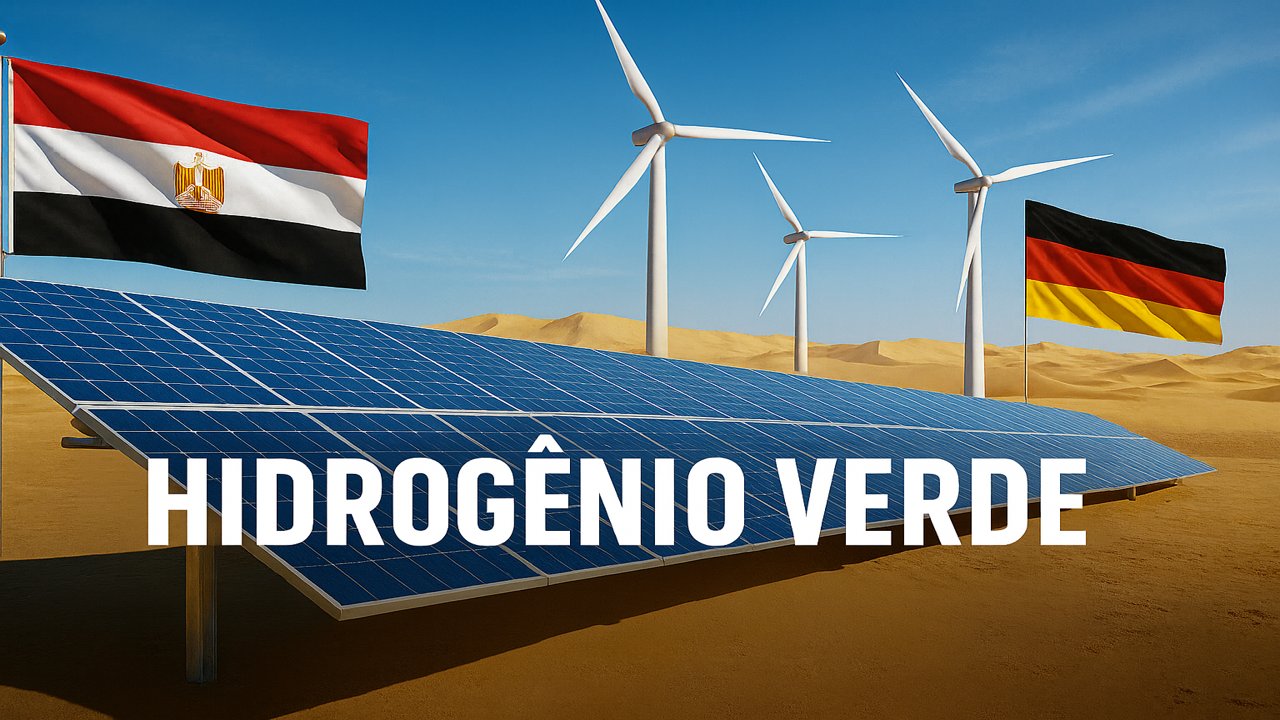

With Support from Germany and GIZ, the African Country Allocates More Than 26 Thousand km² for Renewable Energy and Seeks to Consolidate Its Position as a Global Green Hydrogen Center
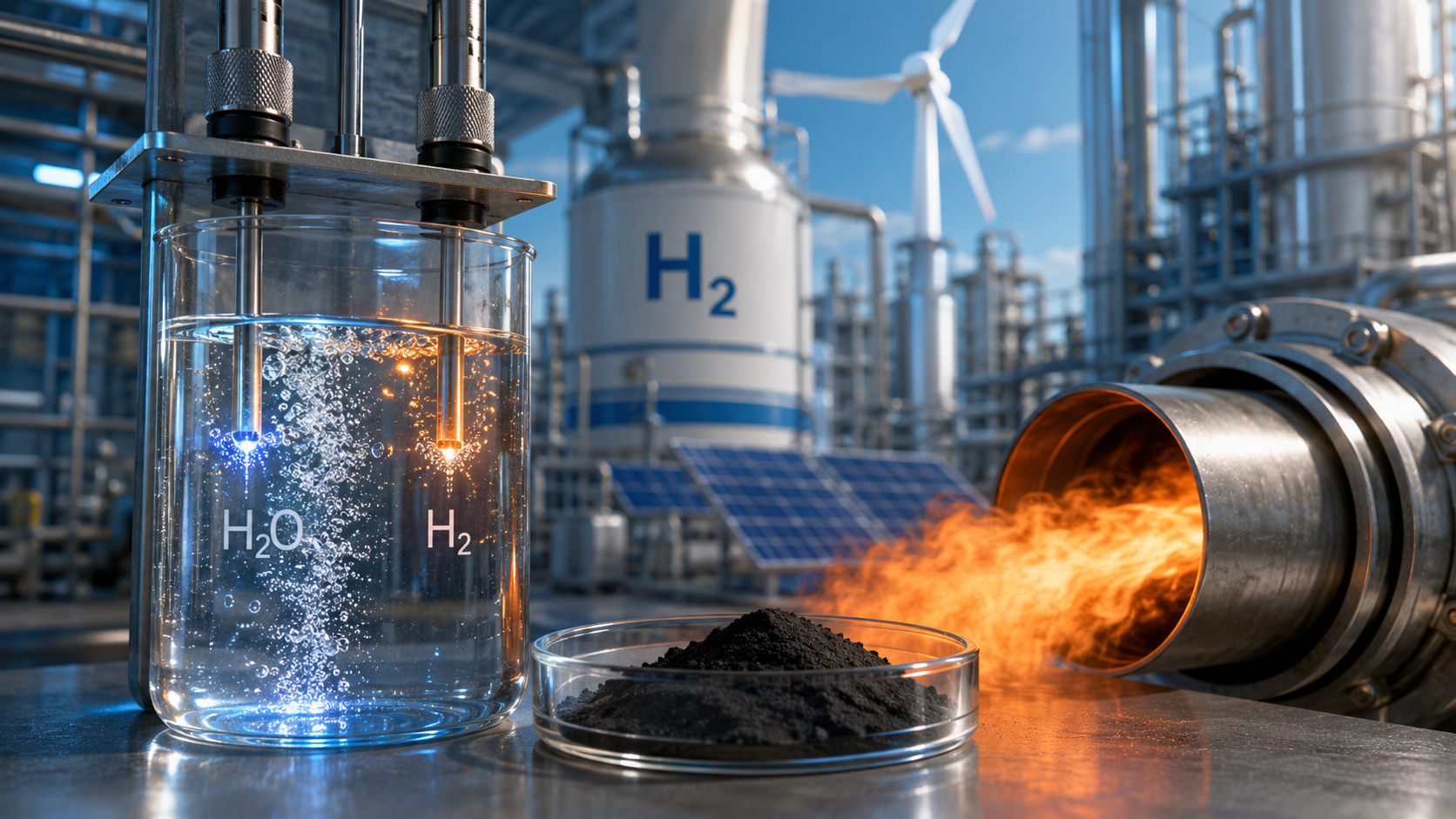
Green hydrogen is becoming the buzzword in discussions about global energy transition. In this scenario, Egypt emerges as a key player. With a rapidly growing population and being the second most industrialized country in Africa — only behind South Africa — the North African country aims to position itself as a strategic hub for renewable energy.
The geography and natural resources make the territory extremely competitive. Egypt has a high potential for electricity generation from clean sources, such as solar and wind, an ideal condition for large-scale green hydrogen production.
For Germany, having such a geographically close partner represents logistical and strategic advantages since hydrogen is considered a key element in the decarbonization process of industries and transport.
-
Fired during apartheid and with a little borrowed money, an electrician started with a borrowed truck and transformed electrical services into a group connected to energy, real estate, and infrastructure in South Africa.

-
Wood has ceased to be just a construction material in Yale research and has become insulation for electrical transformers that face intense heat, aging, and increasing pressure from the renewable energy-powered grid.
-
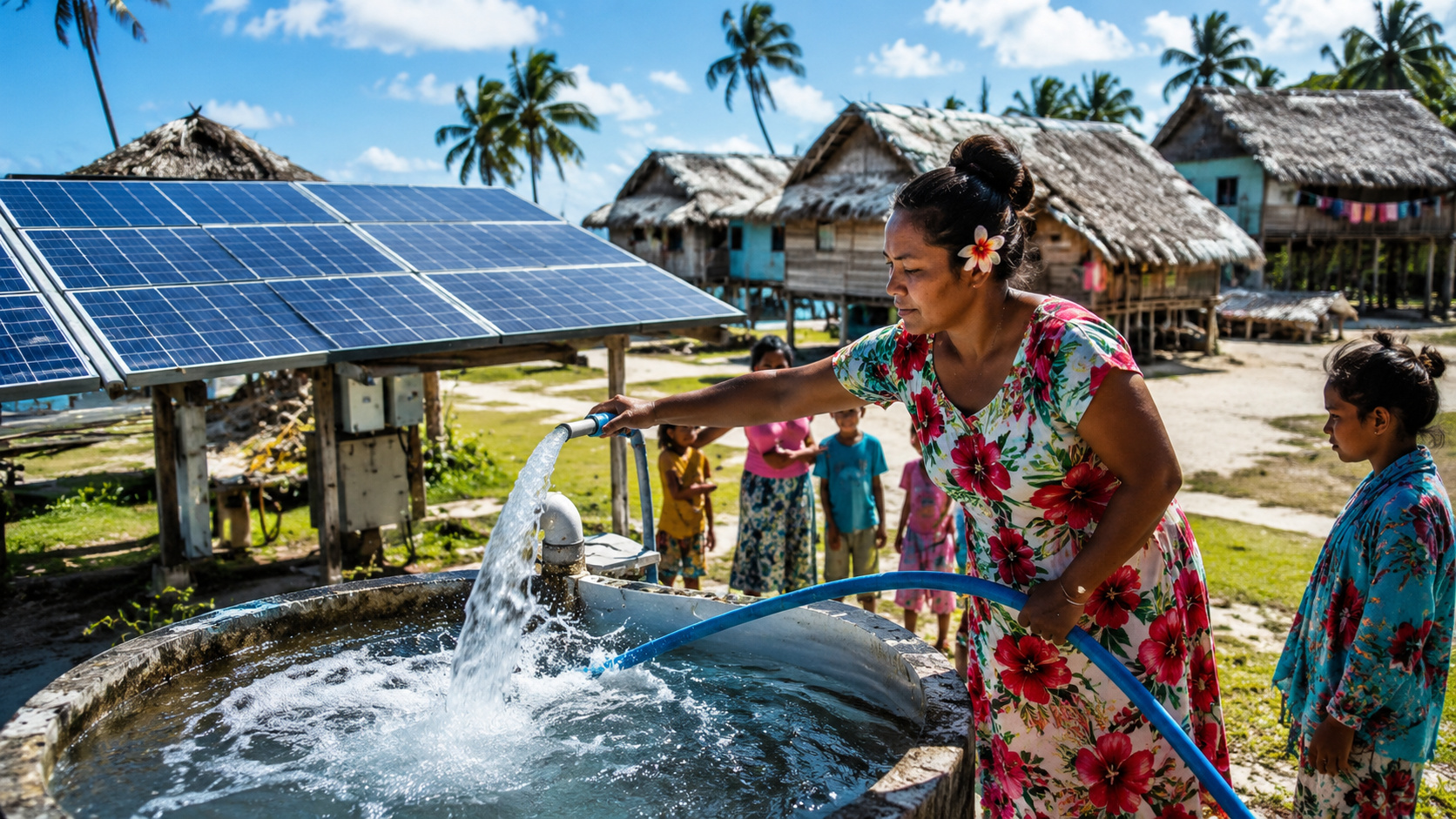
More than 1,000 residents of a remote island in Kiribati now have clean water and electricity with solar systems operated by the community itself.
-
Ceará brings together 7 giants and R$ 66 billion to transform Pecém into the largest green hydrogen hub in Brazil, with final decisions expected by the end of 2026.

Cooperation of More Than 15 Years with Germany
The partnership between Germany and Egypt in the area of sustainable energy is not recent. For over 15 years, both countries have been developing projects together, with the mediation of GIZ (German Agency for International Cooperation), which acts on behalf of the German Federal Ministry for Economic Cooperation and Development (BMZ).
This work goes beyond transferring technology. It promotes economic development, supports Egyptian climate goals, and is aligned with German political priorities, such as limiting long-term global warming.
According to the latest assessment, the work of the Egyptian-German Committee was classified as “highly successful,” mainly due to the efficient coordination among international partners and donors, optimizing investments and results.
26 Thousand km² Dedicated to Renewable Energy
One of the most impressive aspects of this cooperation lies in the scale of the investment. More than 26,000 km² of Egyptian territory have been designated for the expansion of renewable energy, an area larger than the territory of Rwanda.
The Egyptian New and Renewable Energy Authority (NREA) estimates that in this space alone, it is possible to install about 70 GW of wind capacity. This number is equivalent to approximately 10% of Germany’s current total electrical capacity, highlighting the project’s strategic weight. For Egypt, it would mean multiplying its installed renewable energy capacity by ten, changing the foundation of its energy matrix.
As Highlighted by Reem Hanna, Chief Advisor of the Egyptian-German Committee:
“Our support for the Egyptian government has positive impacts on the private sector and regional partners.”
This statement reinforces the multiplier effect of the project, which benefits not only Egypt but also strengthens regional value chains related to green hydrogen.
Clean Energy, Climate Goals, and Future
Investment in green hydrogen is not just an energy project; it is also a strategic piece in the fight against climate change. For Egypt, expanding clean production is vital to reduce emissions while sustaining industrial growth. For Germany, having reliable close partners strengthens its energy security amid the quest for climate neutrality.
If the gamble pays off, Egypt could become not only an exporter of clean energy but also an example of how emerging countries can reposition themselves in the international market.
And you, do you believe Egypt can lead the African green hydrogen market?
Leave your opinion in the comments.