






 Portuguese
  Spanish


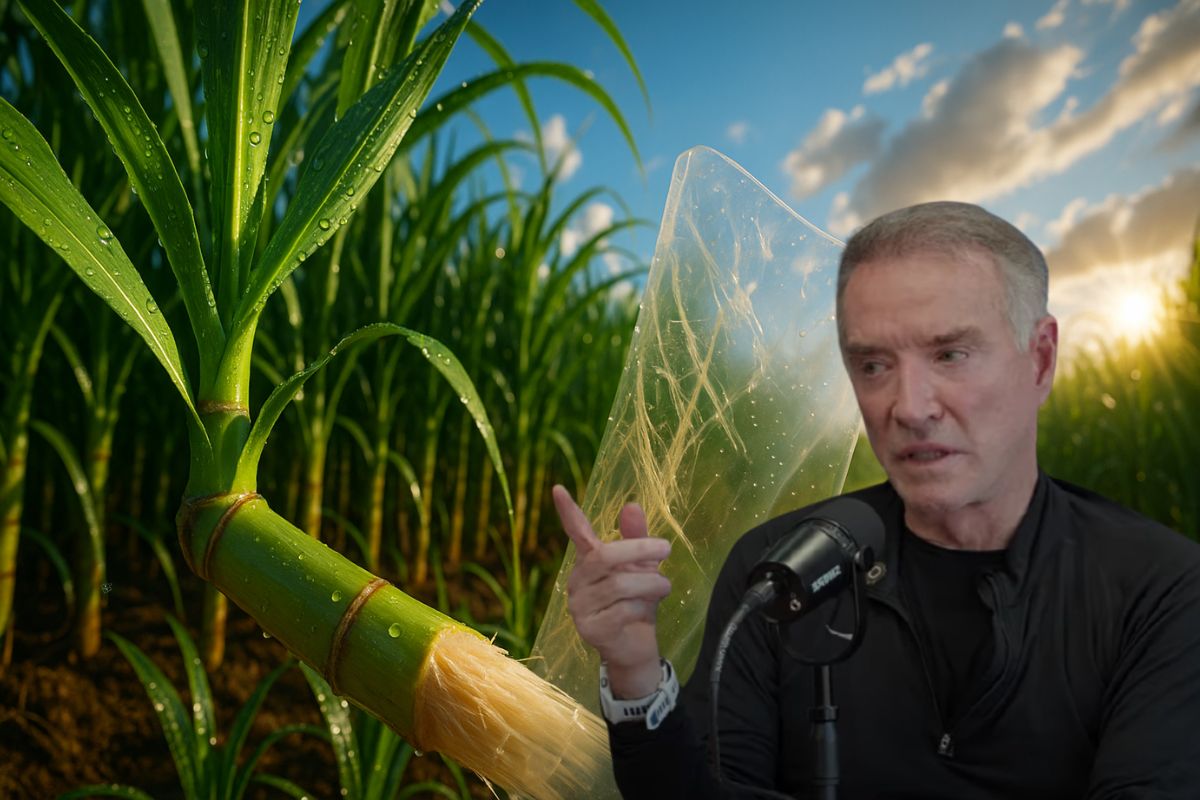


New Super Cane Variety Turns Waste Into Noble Fiber, Opening the Path for Brazil to Lead the Global Market for Sustainable Materials
Brazil may be on the brink of a silent revolution. The so-called super cane, the result of advancements in biotechnology and genetic improvement, promises to produce up to 12 times more bagasse per hectare compared to traditional varieties. This waste, previously used only for energy, can now be converted into high-value biodegradable fiber, capable of replacing plastic on a global scale.
According to businessman Eike Batista, who has been following the topic, the super cane can transform Brazil into a leading player in the global bioeconomy, exporting not only sugar and ethanol but also environmental solutions with enormous market potential.
Who Is Behind the Super Cane?
The super cane is the result of partnerships between researchers, investors, and companies in the sugar-energy sector.
-
At 35, Lawyer Leaves Corporate Career to Turn 1-Hectare Farm into Organic Supplier for Schools in Southern Brazil

-
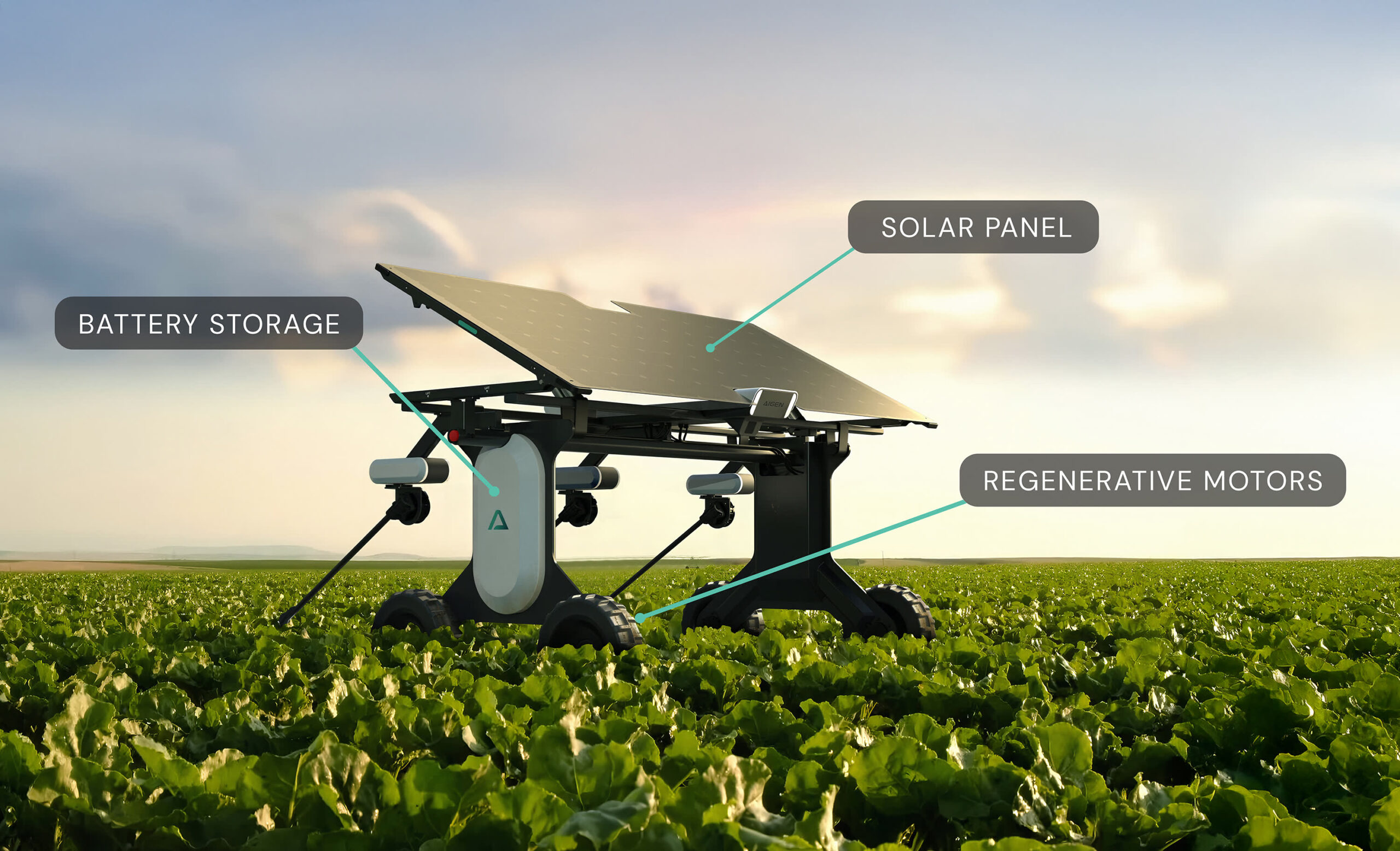
Solar-powered agricultural robots operate 24/7, remove weeds with 8mm precision, and aim to cut herbicide use without fuel consumption in the fields.

-
Brazilian Farmer Invents Low-Cost Tractor Using Motorcycle Parts, Efficiently Working 2 Acres on 1 Liter of Diesel

-
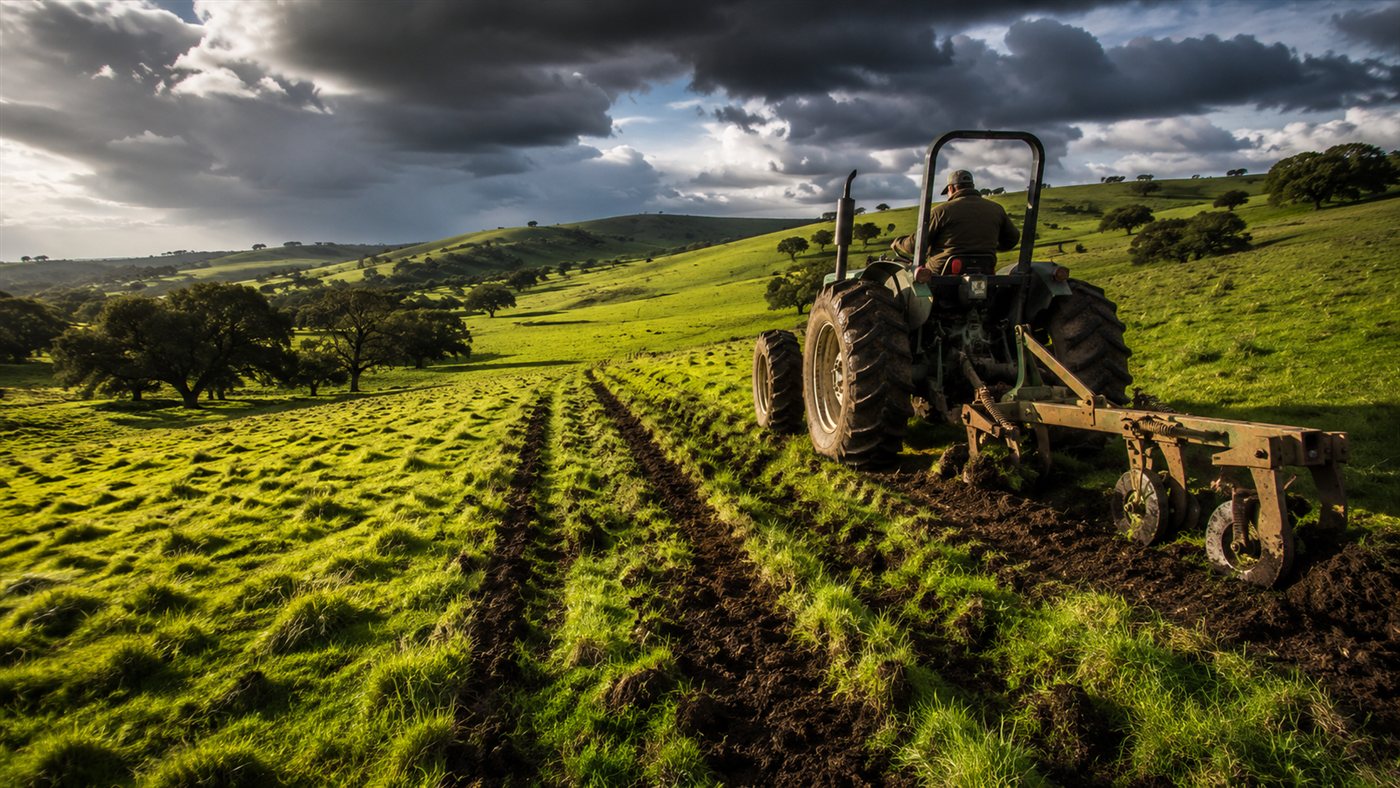
Regenerative Farmers Use Keyline Plow to Improve Pasture Hydration, Storing 1 Gallon of Water Every 30 Centimeters



The work focuses on genetic alterations that increase biomass production and the quality of bagasse, making it comparable to noble fibers used in the paper, packaging, and even automotive composites industries.
According to Eike Batista, the innovation should put Brazil in a privileged position, as the country has the largest area cultivated with sugarcane in the world.
The large-scale introduction of this variety could create immediate impact, generating a new billion-dollar market.
How Much Can the Super Cane Yield Per Hectare?
While traditional sugarcane generates a limited volume of waste, the super cane increases the production of bagasse by 7 to 12 times per hectare.
This means that already cultivated areas could multiply their productivity without the need to expand agricultural borders.
This bagasse, when processed, stops being low-value waste and becomes strategic raw material for the bioplastics industry.
According to estimates, each ton of fiber produced could generate everything from cups and straws to panels, furniture, and durable, sustainable automotive parts.
Where Can the Super Cane Change the Economy?
The applications go far beyond the substitution of disposable plastic.
The fiber extracted from the super cane can be used in specialty packaging, high-resistance paper, furniture, and even automotive coatings.
In a world that pressures for plastic reduction, Brazilian cane could become a strategic resource for environmental legislation and to meet global demand for sustainability.
The parallel with eucalyptus is inevitable: just as the tree revolutionized the paper and pulp industry in the 1960s, the super cane could create a similar leap — but on an even larger scale.
Why Can the Super Cane Outperform Corn?


In recent years, corn has been gaining ground over sugarcane in off-season regions, particularly due to profitability.
But experts point out that the super cane reverses this logic: its productivity, combined with the value of bagasse transformed into noble fibers, makes its cultivation more competitive and strategic.
This advantage could reposition Brazil as a leader not only in the sugar-energy sector but also in a new global market for biodegradable materials.
For Eike Batista, the answer is clear: if the super cane reaches industrial scale, Brazil could lead one of the largest transformations of the century, replacing plastic with sustainable alternatives.
The country already has the agricultural base, technology, and logistical chain to become a world reference.
The challenge now is to scale production and consolidate contracts with industrial sectors seeking clean solutions.
And you, do you believe that the super cane can truly place Brazil at the forefront of the global bioeconomy? Or are there still guarantees needed that this technology can compete on a large scale with conventional plastic? Share your thoughts in the comments — we want to hear from those involved in this discussion.





O chefe do executivo pergunta: a super cana produz super cachaça?
E assim as frutas, carnes verduras, ovos, vao perdendo o sabor,a qualidade. ****, nem semenre tem mais.ovos,o governo mandou tidar 3gramas,olha o tamanho q vem
Estabelecer uma nova cultura de cana com novas variedades pode levar 5 a 7 anos para chegar a 10-15 % da área total… Não é algo imediato, mas de longo prazo…