Portuguese
  Spanish


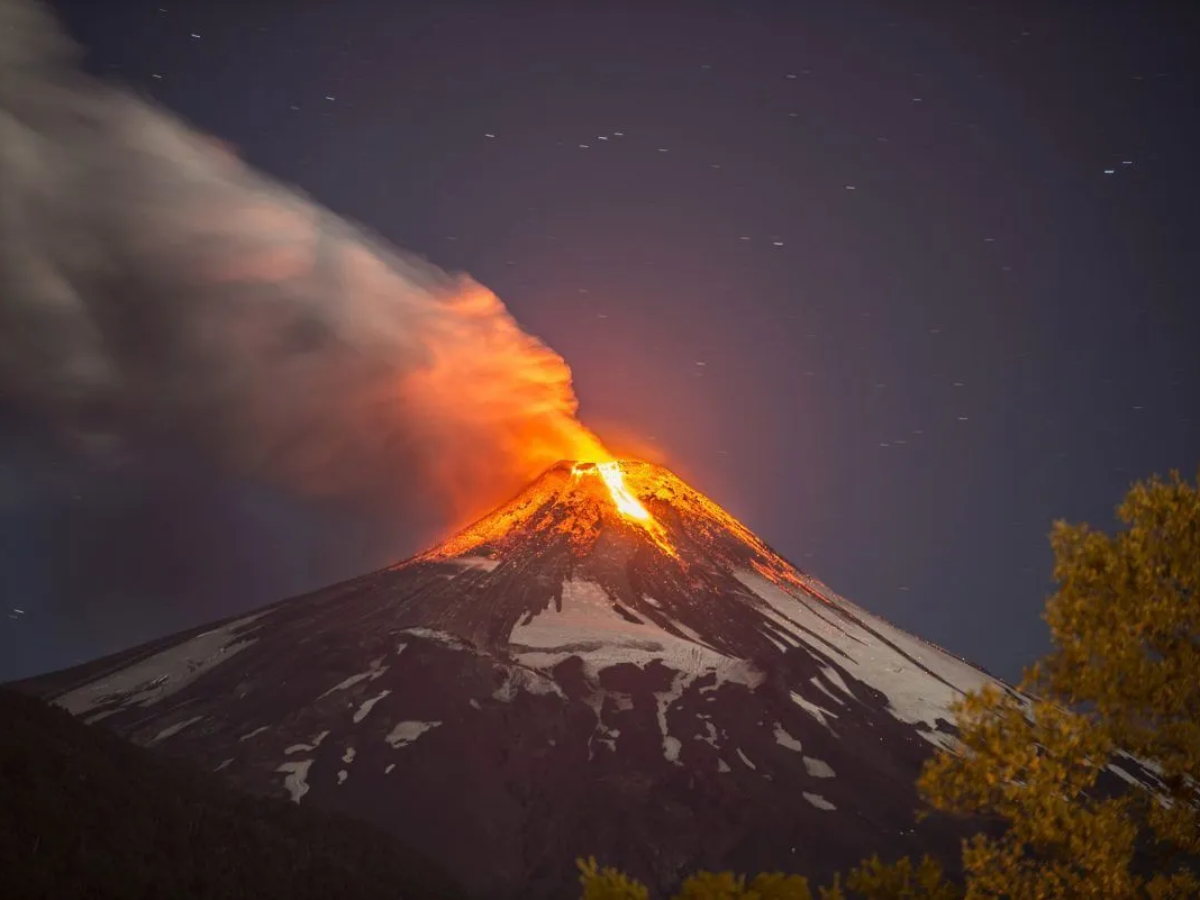

Located in the Pacific Ring of Fire, Chile and Ecuador are among the countries with the most volcanoes in the world. Discover their geology, iconic volcanoes, and how they coexist with this force of nature
With dozens of active volcanoes, Chile and Ecuador are among the countries with the most volcanoes in the world. Exploring the geological fundamentals of this prominence, their most notable volcanoes, the associated risks, and how these nations coexist with and benefit from their volcanic heritage.
Chile and Ecuador stand out globally for their extraordinary concentration of volcanoes, a geological feature that shapes their landscapes and the lives of their populations. Situated at the epicenter of volcanic activity, these South American nations are natural laboratories for the study of these phenomena.
The Origin of Intense Volcanic Activity in Chile and Ecuador
The remarkable concentration of volcanoes in Chile and Ecuador is due to their location in the Pacific Ring of Fire, a vast area of intense seismic and volcanic activity. The primary driver is the subduction of the Nazca Plate beneath the South American Plate. This process generates magma that rises to the surface, forming the Andes volcanoes.
-
Mother discovers she may have won £12 million in the lottery but faces an agonizing wait after the shopkeeper threw the ticket in the trash.

-
A couple bought a house in Sheffield and, when removing the carpet from the hallway, found a trapdoor leading to a secret 23 m² basement with a 2-meter ceiling height, a discovery that eliminated the need for an expensive extension and, according to them, added £70,000 to the property’s value.

-
A nurse bought for 20,000 a 1955 house abandoned by a hoarder in Texas, and months later, rain revealed a buried pool in the backyard valued at $160,000, which he restored himself for about $10,000, a fraction of the cost of building a new one.
-
The United Kingdom is transforming dog feces left on trails into gas to light a streetlamp through an unlikely and surprising project that shows how even one of the most rejected wastes in cities can generate energy.



In the far south of Chile, the subduction of the Antarctic Plate also contributes to volcanism. In Ecuador, the subduction of the Carnegie Ridge (an underwater mountain range on the Nazca Plate) influences the geochemistry and location of the volcanoes, potentially leading to the melting of the oceanic crust and the formation of adakitic lavas. This complex dynamics places these nations among the countries with the most volcanoes in the world.
Chile, An Inventory of Sleeping and Active Giants in the Imposing Andes Mountain Range
Chile has one of the largest volcanic inventories on the planet, with 91 active volcanoes in the Holocene (last 11,700 years), according to the Global Volcanism Program (GVP). Of these, 35 have had eruptions since 1800. The National Service of Geology and Mining of Chile (SERNAGEOMIN) monitors about 45 of the approximately 90 volcanoes considered potentially active.
Among the most dangerous and historically active are Villarrica (frequently erupting), Calbuco (last major eruption in 2015), Llaima, the Nevados de Chillán complex (with persistent activity), and Láscar. These volcanoes pose risks such as lava flows, lahars (volcanic mudflows), and large ash falls.
The Famous “Avenue of Volcanoes” and the Volcanic Uniqueness of Galápagos
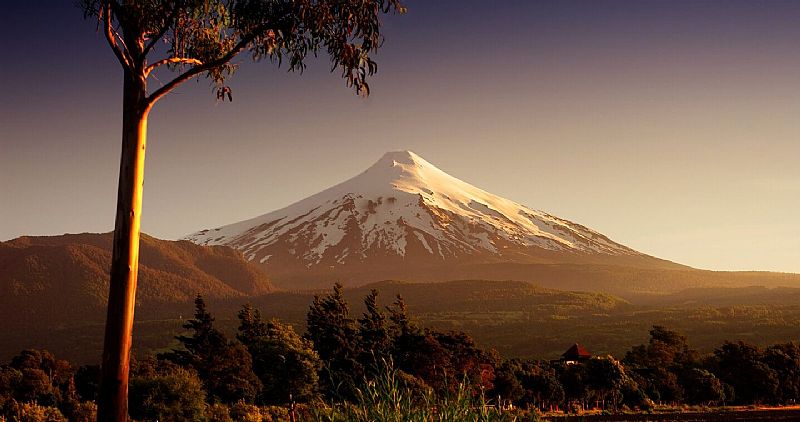
Ecuador, despite being smaller, has 36 Holocene volcanoes according to the GVP, with 18 active since 1800. The Geophysical Institute of the National Polytechnic School (IGEPN) is responsible for monitoring. Continental volcanism forms the “Avenue of Volcanoes,” while the Galápagos Archipelago originates from a hotspot.
Equatorial icons include Cotopaxi (one of the most dangerous in the world, reactivated in 2015), Tungurahua (“Throat of Fire,” recently active), Sangay, and El Reventador (both frequently erupting), along with Guagua Pichincha, near Quito. Many Ecuadorian Andes volcanoes have glacial coverings, increasing the risk of devastating lahars.
Risks, Tourism, and Geothermal Energy in the Countries with the Most Volcanoes in the World
Volcanic geology imposes dangers such as lava flows, lahars, pyroclastic fall (ash, bombs), pyroclastic flows, and toxic gases. Recent eruptions in Chile (Calbuco 2015) and Ecuador (Sangay 2021, Tungurahua 2006) caused evacuations, economic losses, and damage to infrastructure.
However, this geology also offers opportunities. Volcanic tourism is an expanding sector in both countries, with activities such as climbing volcanoes (Villarrica, Cotopaxi) and visiting scenic landscapes. Additionally, Chile and Ecuador have significant potential for geothermal energy. Chile opened the Cerro Pabellón plant in 2017, and Ecuador is advancing the Chachimbiro project.
Lessons of Resilience and the Importance of Constant Monitoring
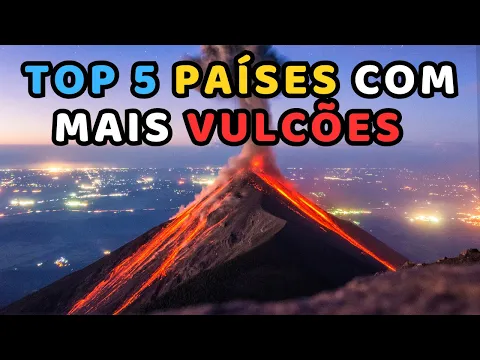

Globally, Chile (5th) and Ecuador (8th) are among the countries with the most volcanoes in the world in terms of the number of Holocene volcanoes, behind the USA, Japan, Russia, and Indonesia. The volcanic density (volcanoes per area) is also significant in these Andean nations.
Coexisting with this force of nature requires constant monitoring, scientific research, and public education, roles played by institutions such as SERNAGEOMIN and IGEPN. The volcanoes are an integral part of the cultural and historical identity of these countries, and the understanding of their geological legacy is key to a resilient future.