Portuguese
  Spanish




The PDE 2035 Study Details How Electromobility in Brazil Advances with New Models, Public Policies, and Infrastructure Expansion, Amplifying Impacts on Road Transportation
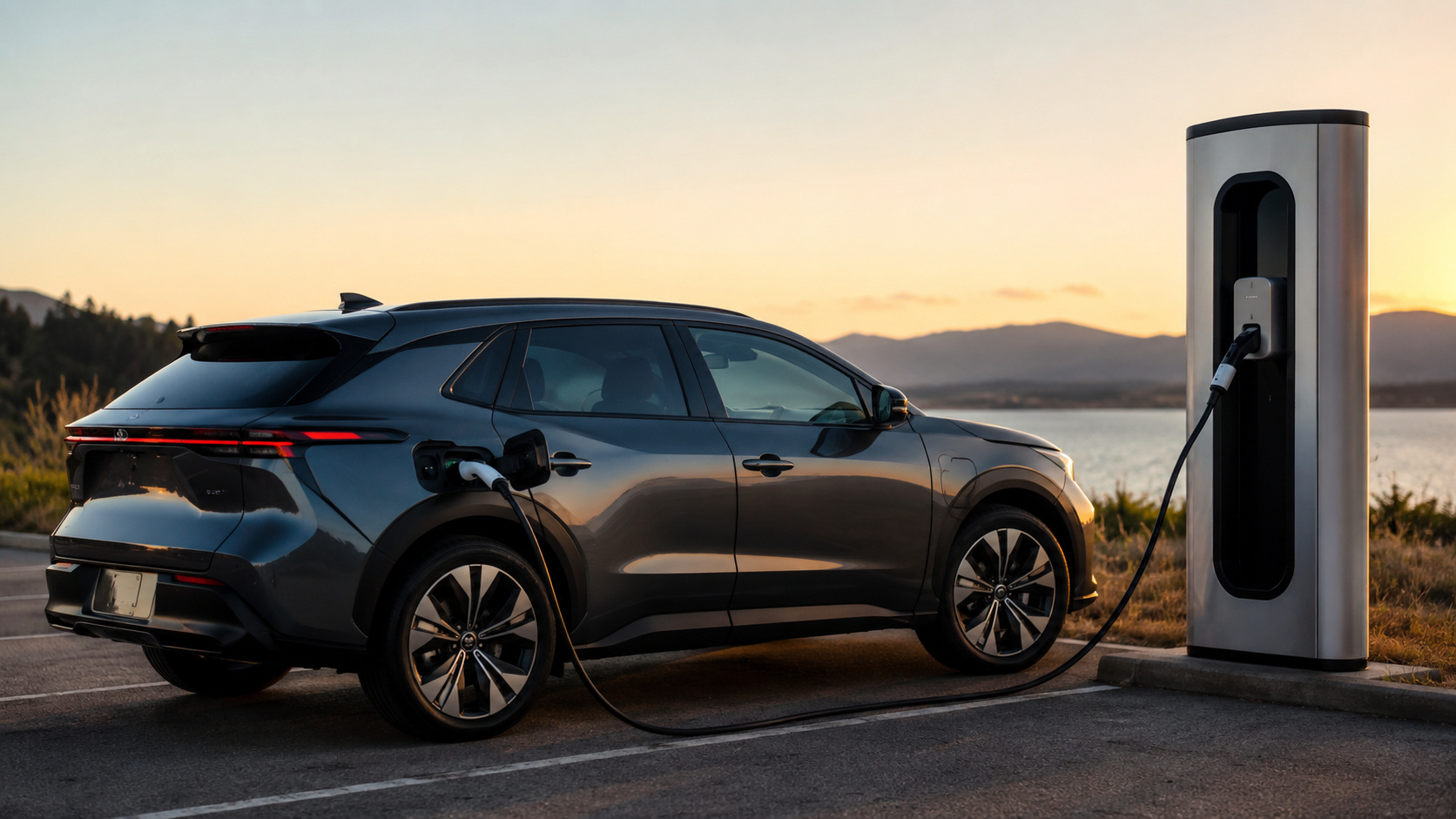
Electromobility in Brazil has firmly entered the national agenda as a central piece of discussions about the future of transportation, especially after the publication of the Eletromobility Notebook of PDE 2035 by MME and EPE on November 18.
The document reveals a scenario where electrification becomes accessible due to falling prices, new models in the market, and public policies aimed at fleet renewal, according to a report published.
As a result, the country is witnessing growth that reorganizes expectations in segments such as light vehicles, buses, and trucks.
-
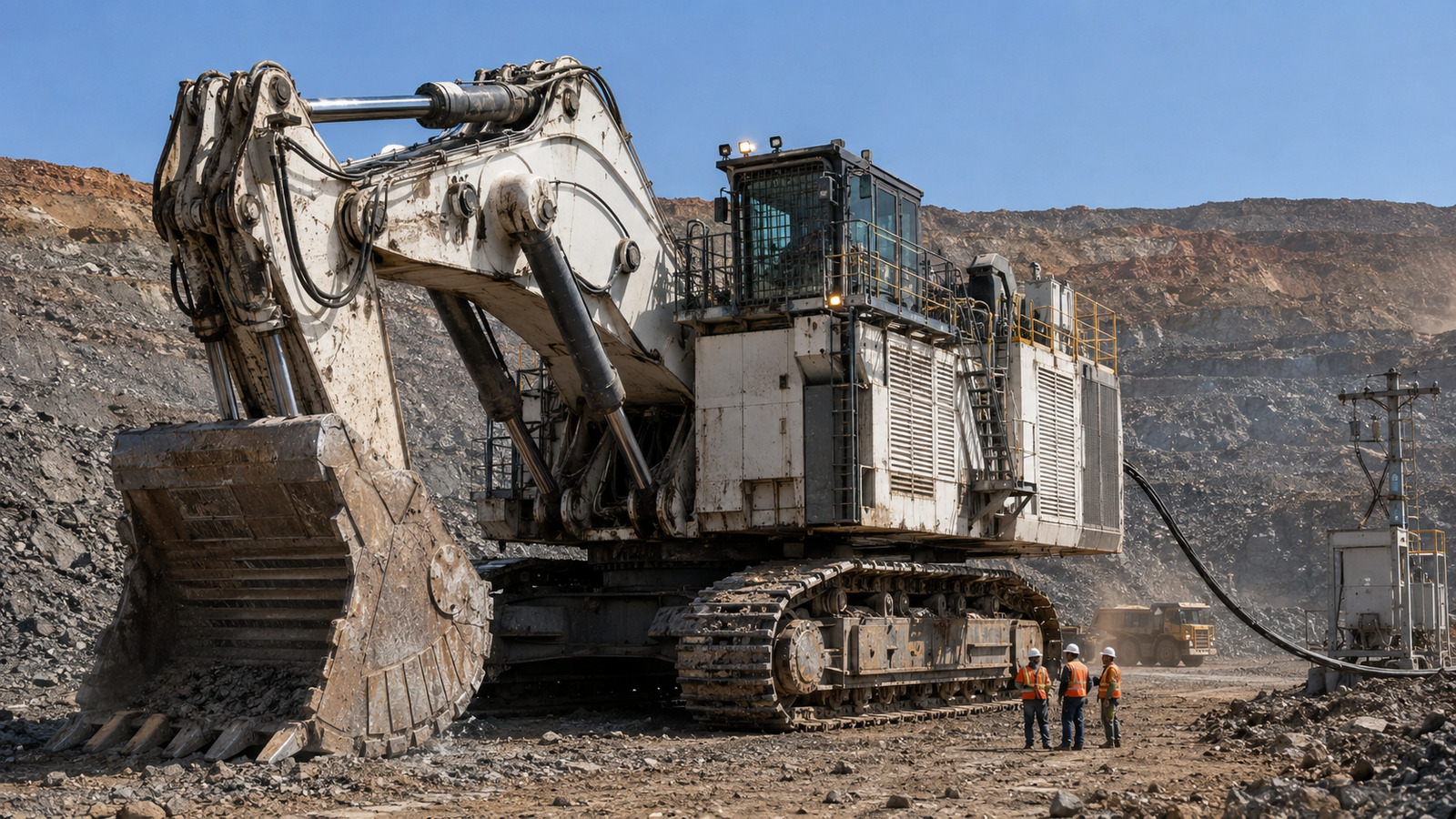
Unprecedented achievement in India: a colossal 650-ton, nearly 3,000 hp excavator is transformed into 100% electric, marking a new phase in heavy mining.

-
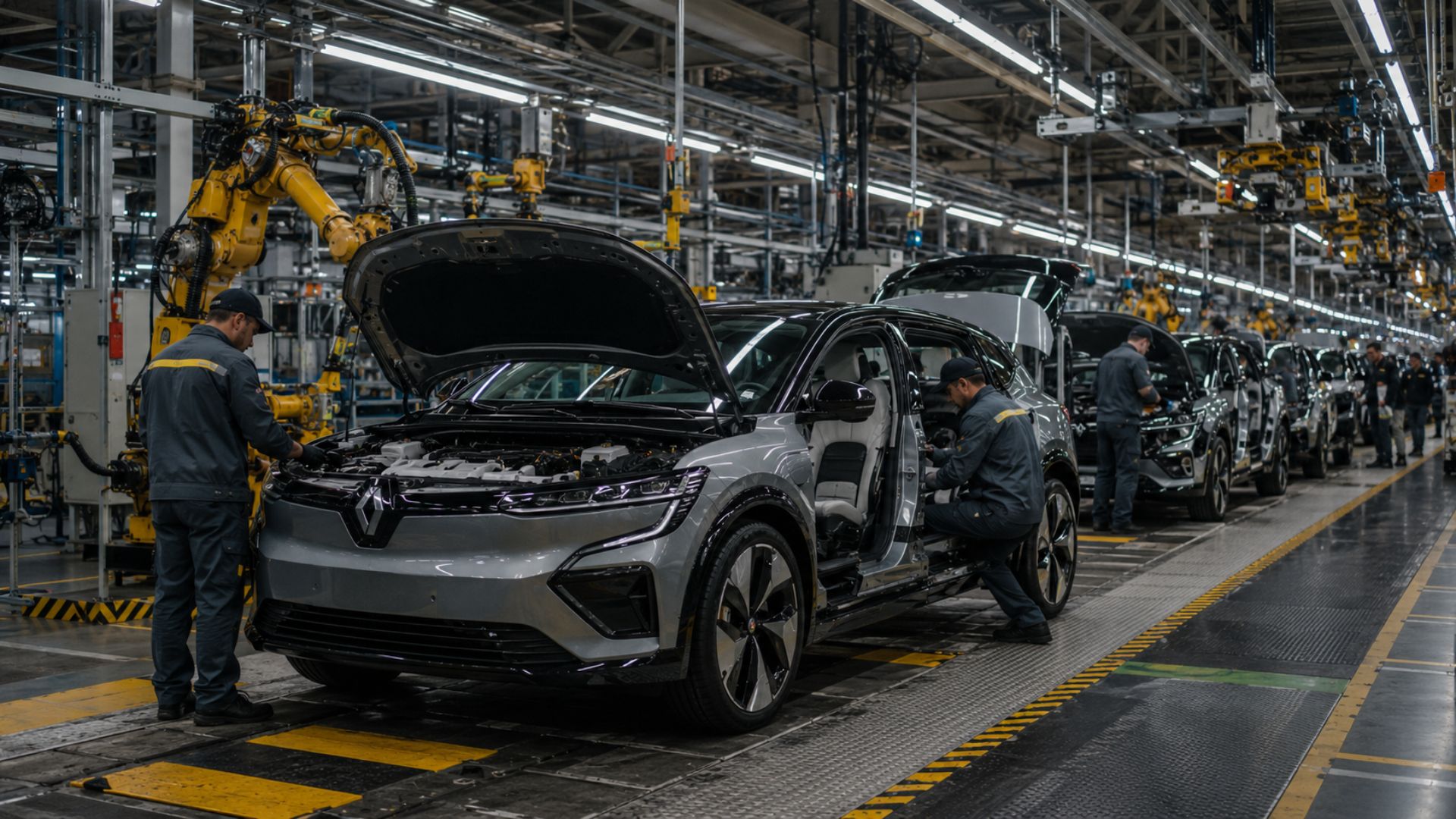
Frightened by the speed of Chinese manufacturers, Renault decided to mimic the pace, made the new electric Twingo in just 21 months, wants to repeat the feat with 36 models by 2030, and along the way, will cut up to 2,400 engineering positions.

-
Chinese battery from Dongfeng promises to exceed 1,000 km without relying on liquid electrolyte, and the detail behind the technology could change the electric car competition.

-
The end of the automotive combustion era has already begun, but many in Brazil have not yet realized the magnitude of the shift towards Chinese electric cars.
The advancement also reflects a greater focus on the integration between energy and mobility, as the projected expansion involves direct impacts on electrical planning.
In this environment, the topic awakens interest among consumers, companies, and public managers, broadening debates on logistics, industry, and sustainability.
Charging Infrastructure in Brazil
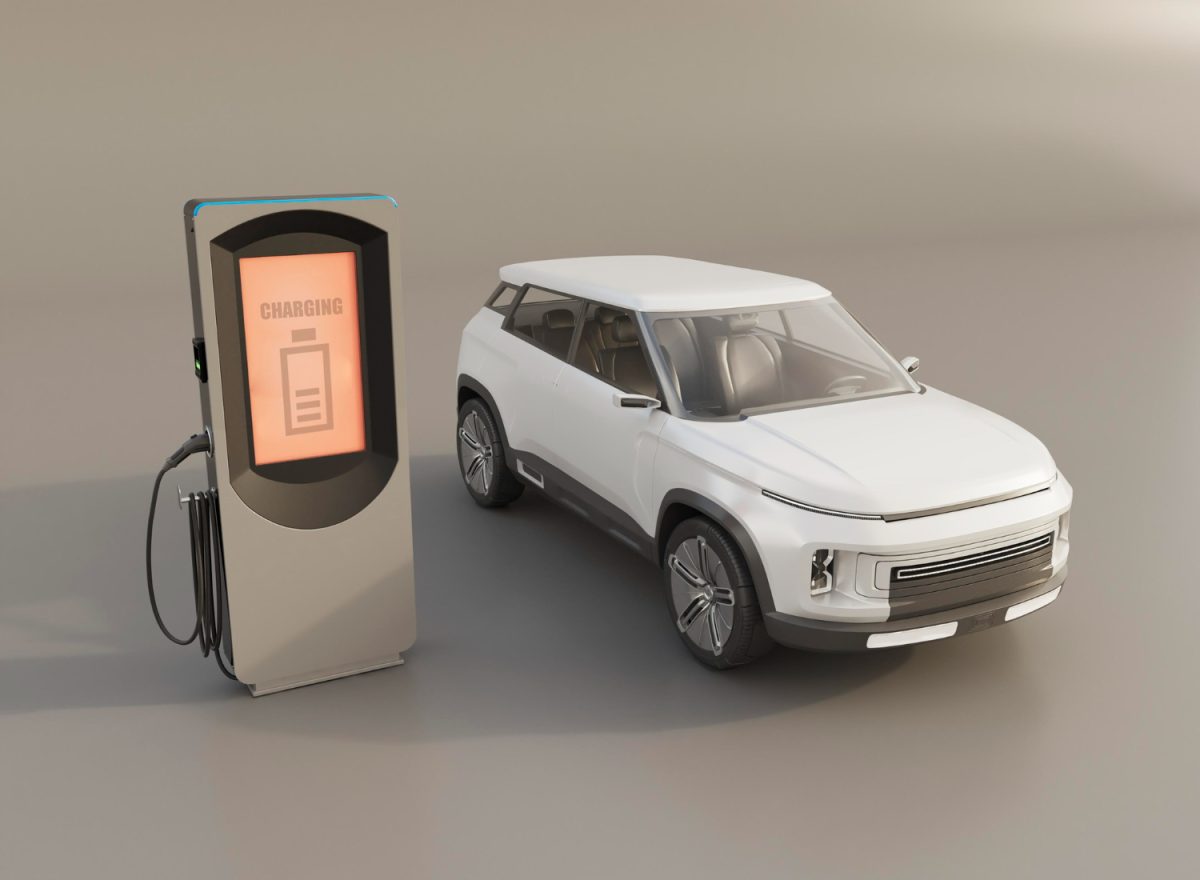
The expansion of charging infrastructure in Brazil emerges as a decisive element to sustain the observed pace in licensing, which grew 89% in 2024.
The 219% jump in 100% electric models shows that the market responds quickly when it finds supply compatible with its needs.
The presence of more widely distributed charging points, combined with the arrival of imported vehicles with more competitive prices, influences choices of both individual drivers and companies.
In urban transportation, this evolution adds to the growth of niches such as light commercial vehicles used in last-mile delivery, stimulated by the rise of e-commerce and corporate decarbonization goals.
The movement confirms that electromobility in Brazil is beginning to integrate into the routine of different productive chains, shaping new distribution dynamics.
PDE 2035 Projections
The PDE 2035 projections indicate that the country may reach 23% of licensing for electrified light vehicles by 2035, equivalent to 784,000 units.
This pace would lead to a fleet of 3.7 million electrified vehicles in the segment, with flex technology remaining predominant.
The study also highlights the impact of the New PAC, which allocated R$ 7.3 billion for 2,296 electric buses in the 2023 selection, as well as R$ 2.6 billion for Euro VI vehicles and R$ 0.7 billion for rail vehicles.
These initiatives suggest that electromobility in Brazil is structured in a combined way between public policies and corporate strategies.
For the reader seeking complete details, the official study is available for open public consultation.
Light Electric Trucks
The advancement of light electric trucks reveals another relevant axis, with a projection of 19% of licensing for BEV models in this category by 2035.
By the end of the period, the fleet of electrified trucks is expected to reach 43,000 units, although diesel remains dominant among heavy and medium-duty trucks.
This movement aligns with the expectation of increased demand for electricity, which is expected to grow from 627 GWh in 2025 to 7.8 TWh in 2035, requiring proper planning of networks and tariffs.
In this context, electromobility in Brazil benefits from the broad national availability of sustainable biofuels, such as ethanol, allowing for a balanced transition between electrification, flex hybrids and renewable fuels.
Additionally, the study draws attention to direct global challenges related to the supply of strategic minerals used in batteries, the production of which is concentrated in a few countries.
This reality reinforces the value of technological diversity available in Brazil, which reduces risks and broadens alternatives for consumers.