






 Portuguese
  Spanish



SpaceX Will Launch a PocketCube Satellite into Space Next Month. The Project Was Fully Developed by a Brazilian Startup and Took 7 Months to Complete
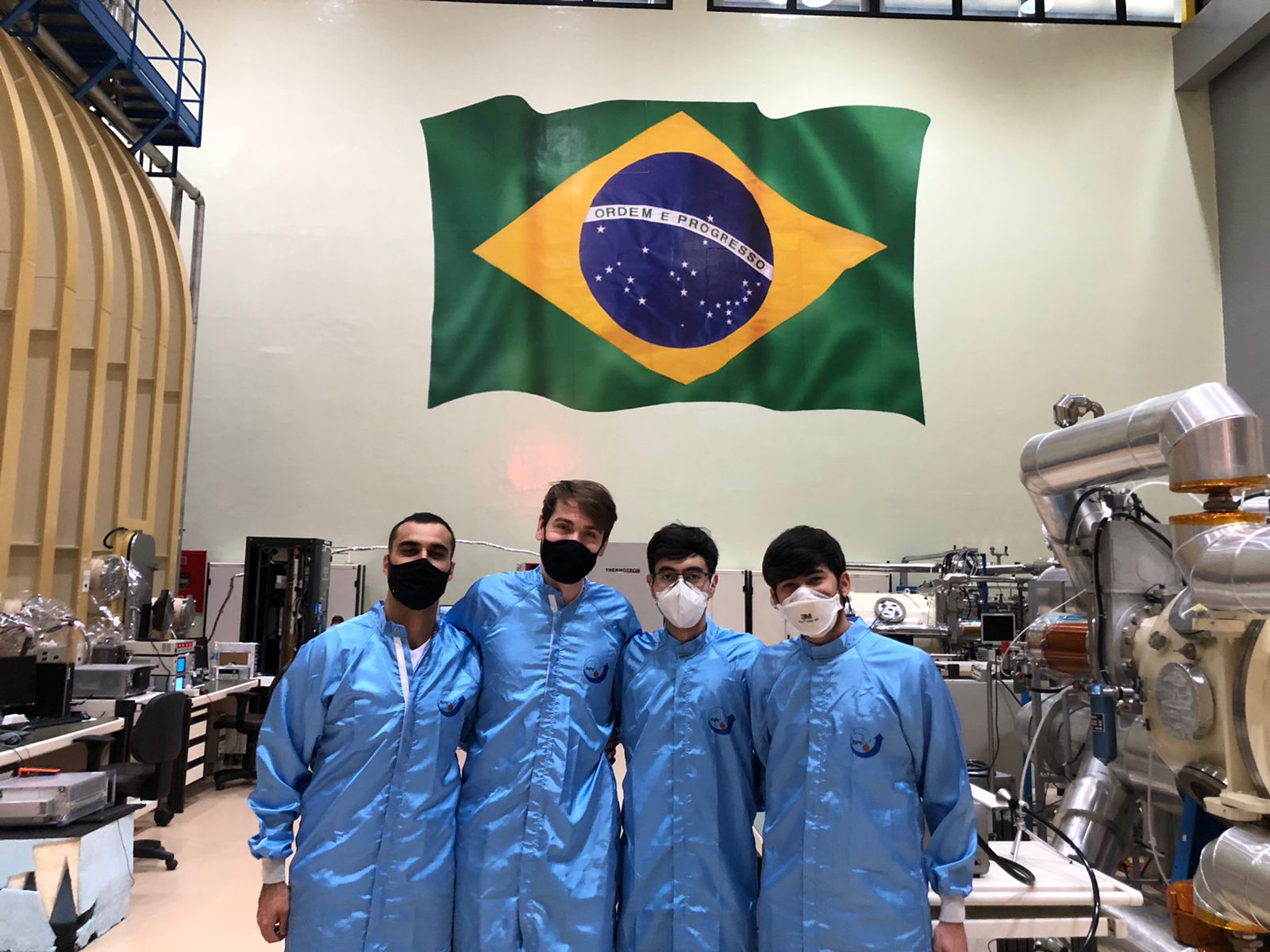
Elon Musk’s SpaceX is set to launch the first satellite developed by a Brazilian startup aboard the Falcon 9 rocket as early as January. The PION-BR1, created by PION Labs, will be launched into space on the 10th of next month, departing from Florida, USA. The startup’s satellite took seven months to develop by PION’s founders at their laboratory located in São Caetano do Sul (SP). The creators are: Bruno Pinto Costa, Calvin Trubiene, João Pedro Vilas Boas, and Gabriel Yamato.
Read Also
Satellite to Be Launched by SpaceX Measures Just 125 Cubic Centimeters
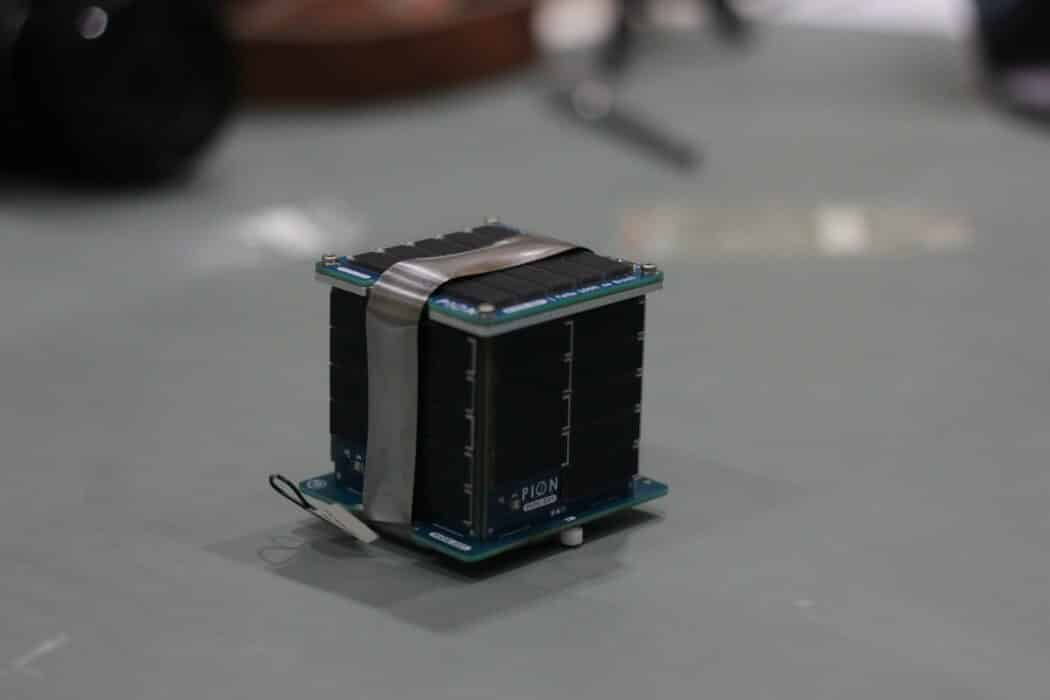
Studying long-distance communication capacity to provide a greater experience to the sector in the country will be the main function of the Brazilian startup’s satellite.
The PionLabs project, which will be launched into space by Elon Musk’s SpaceX, is considered a pico satellite, also known as a PocketCube. It features only 125 cubic centimeters and weighs about 180 grams.
-
At 14 years old, she worked in a factory in Hong Kong, studied economics abroad, and then entered the Chinese real estate market, which helped change the landscape of Beijing.

-
While NATO secured more than $10 billion in missiles and space surveillance at a single forum, Brazil still spends 1.1% of its GDP on defense and is stalling its own anti-aircraft system.

-
Corn ethanol attracts R$ 23 billion in 21 new plants and prepares for a nearly 50% jump in Brazilian production by 2027, even with high interest rates.
-
A newly opened terminal in the middle of the Amazon has begun transporting soy and corn through Amapá, eyeing the queue of ships that is congesting the ports in the South.


To reduce the production costs of the satellite, facilitating its launch into space by SpaceX, the Brazilian startup partnered with a British company specialized in satellites like this one, Alba Obrital. The PION-BR1 has a lifespan of two years and, after that time, it is expected to disintegrate during reentry into the atmosphere.
Startup’s Satellite Has a Communication Range Between 30 kHz and 4 GHz
The satellite to be launched by Elon Musk’s SpaceX is expected to operate by receiving and analyzing communication data as well as monitoring subsystems. Additionally, the PION will also receive and analyze data on external and internal temperature, battery capacity, and other information.
When the data arrives on Earth, it will be received by radio amateurs from AMSAT-BR, with communication based between 30 kHz and 4 GHz. As a result, according to information received by the association focused on electromagnetic wave transmission studies, new protocols for operations need to be developed.
Following the experience gained through the startup’s satellite, larger projects should be developed, involving agribusiness and biodiversity preservation initiatives in the Amazon and eventually throughout Latin America. According to Calvin Trubiene, CEO of PionLabs, both agribusiness and preservation initiatives need a system like this.
Starlink Requests Authorization from Anatel to Operate Its Satellites
On the 20th of this month, Starlink, also owned by Elon Musk, requested authorization from Anatel to operate its low-orbit satellites in the country, intending to offer satellite internet.
The company’s technology may also be used for monitoring the Amazon and broadband in the region, but it is worth mentioning that the company is not focused on observation but rather on providing more accessible satellite internet for low-income populations.
After Meeting with Brazilian Minister, Tesla Owner Elon Musk Considers Meeting Semiconductor Demand, and Brazil May Receive a Factory
In a meeting with Fábio Faria, Minister of Communications, last Monday (15), Elon Musk stated that to escape the ongoing microchip crisis in the world, there may be no other choice but to invest in a semiconductor factory.
Brazil would be one of the most likely countries to receive the investment from the Tesla CEO. The topic arose after Faria proposed the construction of a Tesla factory in the country and mentioned that he also plans to turn Brazil into an important country in semiconductor production once again, something that happened until the 1980s. Read the full article.








