Portuguese
  Spanish


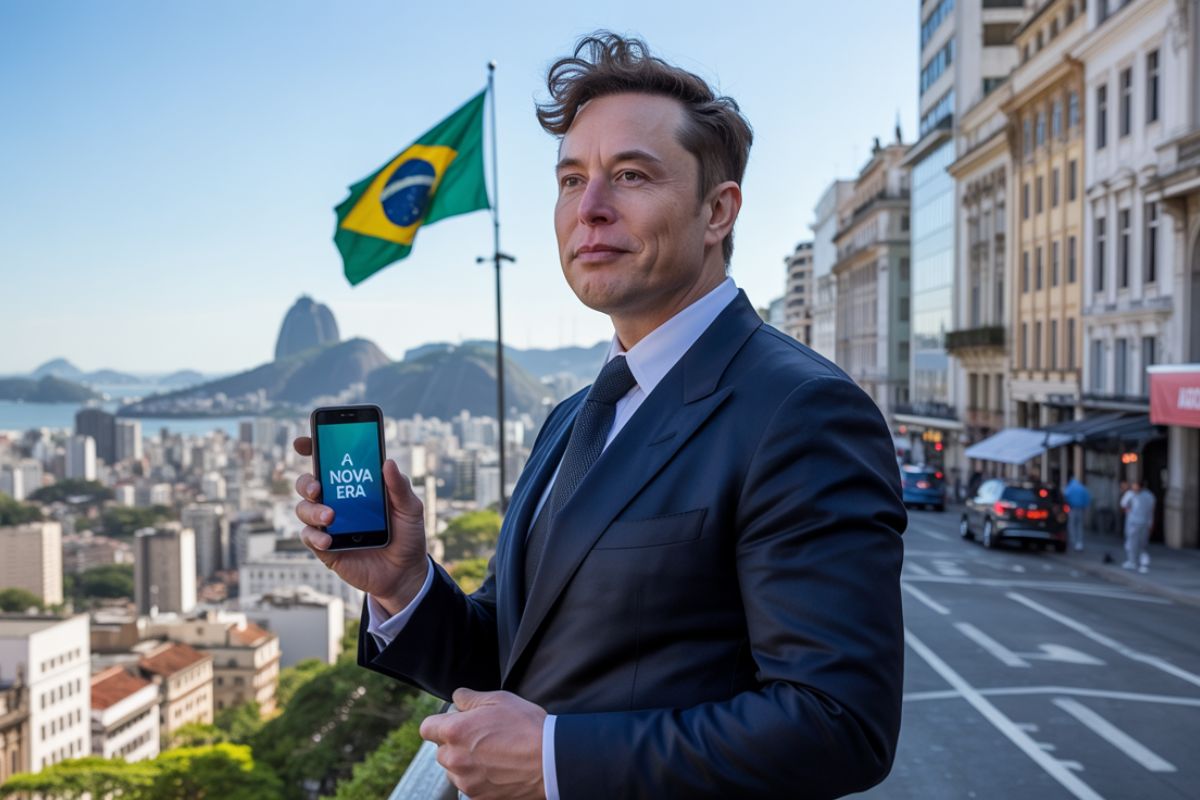


An Analysis of the Growing Influence of Elon Musk on the Brazilian Economy, from Starlink’s Satellite Internet and the Strategic Interest in Lithium to Potential Future Investments by Tesla and Debates Involving the X.com Platform.
Understand the multifaceted presence of Elon Musk in the Brazilian economy. We will detail the impact of Starlink on national connectivity, the strategic search for lithium for batteries, speculations about a Tesla factory, and the controversies surrounding the X.com platform, evaluating the opportunities and challenges for Brazil.
Elon Musk, one of the most prominent figures in global technology and industry, has intensified his business and interests in Brazil. His companies, such as SpaceX (with Starlink) and Tesla, are expanding operations and exploring new opportunities in the country, generating debates and expectations.
Starlink: Satellite Connectivity Advances Across Brazil
Starlink, SpaceX’s satellite internet service, has rapidly expanded its presence in Brazil.3 The National Telecommunications Agency (Anatel) has authorized operations and the recent expansion of its low Earth orbit satellite constellation. This technology has brought connectivity to remote and rural areas, benefiting sectors such as agribusiness, isolated communities, and ambitious educational projects, such as the goal of connecting thousands of schools.
-
Brazil’s Lula Government Allocates $463 Million Quota for Electric Car Parts, Waives Import Tax Until December, Sparking Competition Among BYD, Automakers, and Unions as Consumers Question Impact on Prices and Local Industry

-
Clarification and Right of Reply Notice

-
Elon Musk Becomes World’s First Trillionaire with $1.1 Trillion Fortune; Could This End Global Hunger?
-
Brazilian Executive Takes Helm of Heineken Amid Decline in Sales: 51-Year-Old Has Led Operations Across Four Continents and Managed a $7 Billion Empire


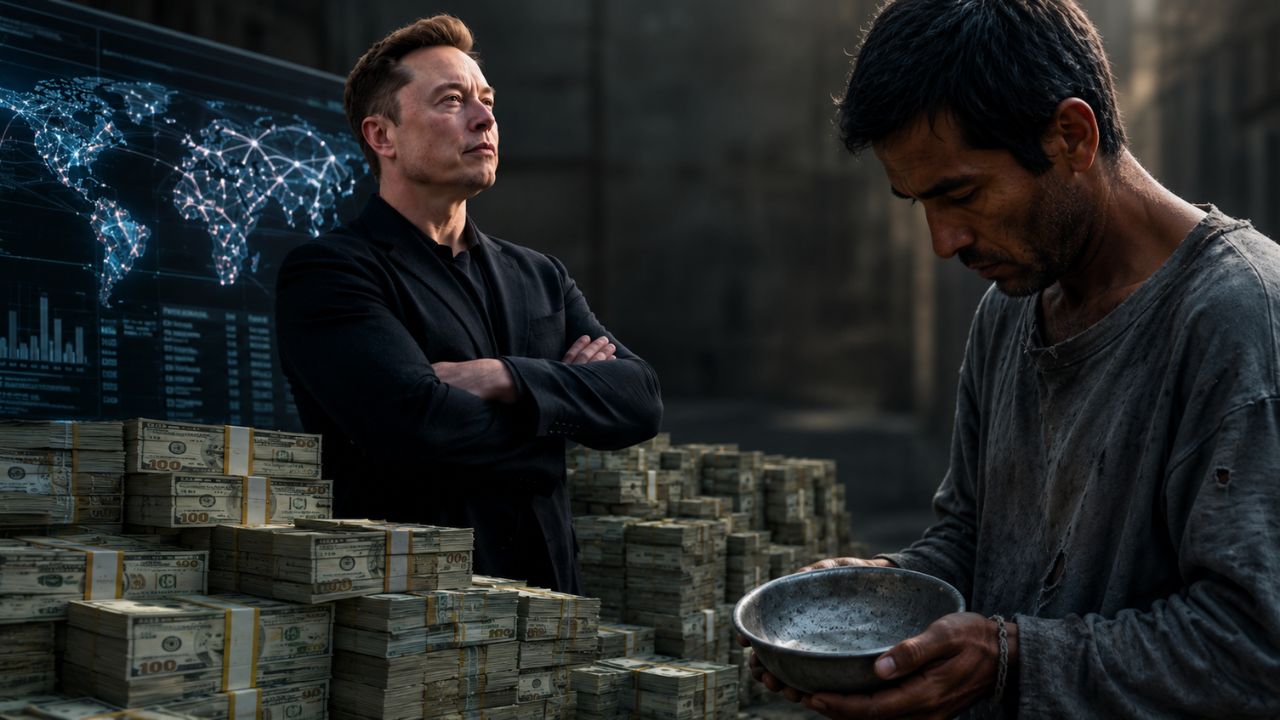

The company already leads the satellite internet segment in the country, operating through authorized resellers. Despite the benefits of digital inclusion, the cost of Starlink’s packages and equipment can still be a barrier to widespread access. Furthermore, the expansion raises regulatory discussions about competition and data sovereignty.
The Lithium Fever: Musk’s Strategic Interest in Brazilian Mineral
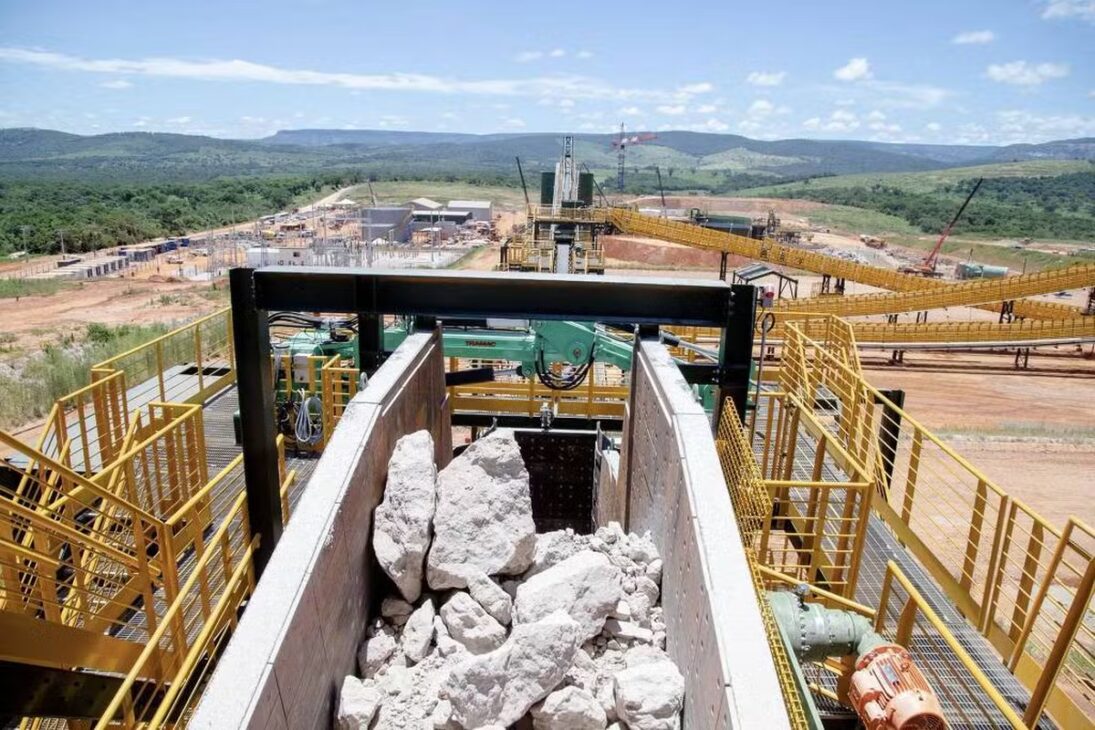
Lithium is crucial for the global energy transition, being essential for electric vehicle batteries. Brazil has significant reserves, especially the so-called “green lithium” of high purity in the Jequitinhonha Valley in Minas Gerais. Reports indicate a strong interest from Tesla and Elon Musk in securing the supply of this mineral, including alleged acquisitions of land and attempts to purchase the mining company Sigma Lithium.
This interest places Brazil in the geopolitical competition for strategic resources, with Chinese companies like BYD also eyeing national lithium. The scenario raises important debates about the governance of these resources, the local value addition, and ensuring that the exploitation benefits the country and the communities involved, while respecting environmental and social issues.
Tesla Factory in Brazil? Other Businesses and Speculations
Beyond lithium, Tesla already has an agreement with the Brazilian mining company Vale for the supply of nickel (although from Vale’s operations in Canada). However, the most impactful speculation is the potential establishment of a Tesla Gigafactory in Brazil. Such an investment could generate thousands of jobs, boost technology transfer, and consolidate the country as a hub for electric vehicles.
The proximity to lithium sources and the potential of the Brazilian consumer market are attractive factors. However, obstacles such as political and legal instability, as well as bureaucracy, are often cited as challenges to the realization of a project of this magnitude.
X.com (Formerly Twitter): Influence and Tensions with Brazil
The X.com platform (formerly Twitter) has also become a focal point of Elon Musk’s activities in Brazil, transcending its role as a social network. Musk has used the platform to interact with political figures and, notably, to confront the Brazilian judiciary directly. The controversies, such as the “Twitter Files Brazil” case, involved questioning Supreme Court (STF) judicial orders related to content moderation and combating misinformation.
These episodes have sparked intense debates about freedom of expression, the role of large tech platforms, and digital sovereignty in the country.
The Multifaceted Impact of Elon Musk on the Brazilian Economy
The presence of Elon Musk in the Brazilian economy brings a mix of great opportunities and considerable challenges. Among the advantages are the potential for foreign direct investment, the stimulation of technological innovation, the possible generation of skilled jobs, and the promotion of digital inclusion in underprivileged areas through Starlink.
On the other hand, significant risks arise. Concerns about national sovereignty are raised regarding the control of data and critical communication infrastructures. The technological dependence on foreign suppliers, the environmental and social impacts of lithium mining, and the risk of concentration of economic power and political influence are also points that require attention and debate.