Portuguese
  Spanish


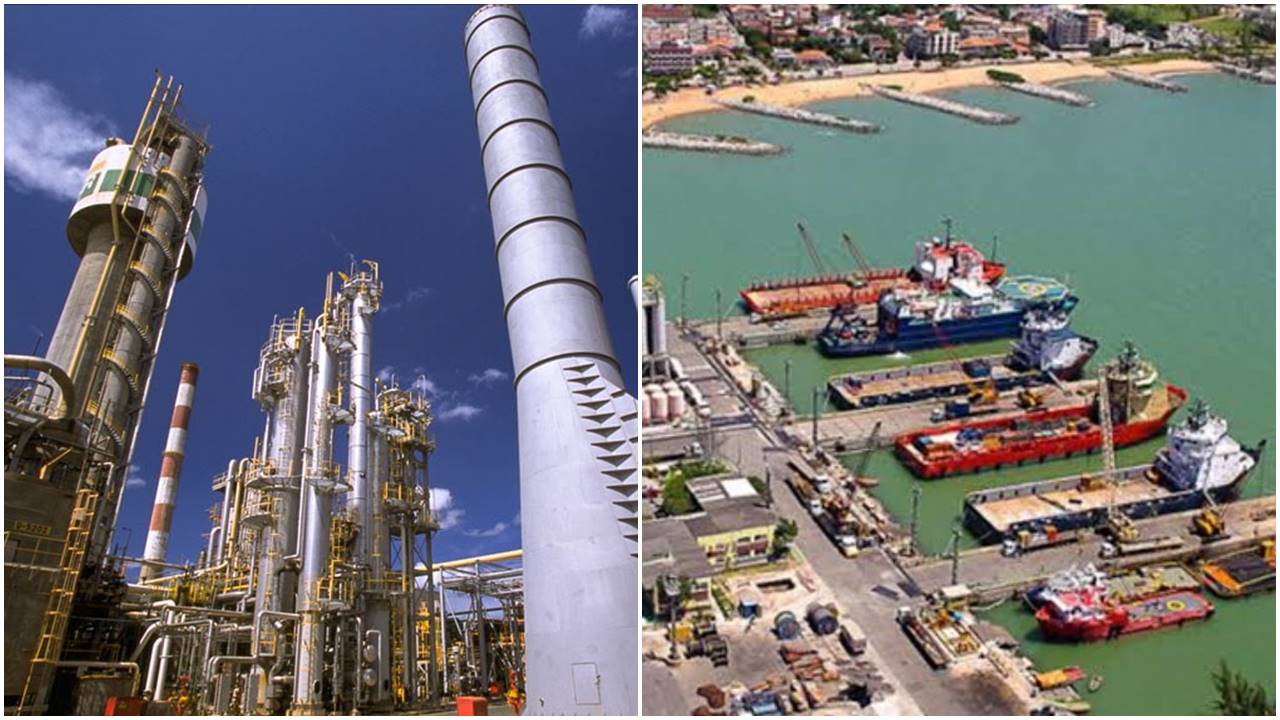

Previously Known Only As the “Oil City”, Macaé Seeks to Become a Complete Hub of Integrated Businesses and Has Been Gaining Visibility in the Mainstream Media Lately
Macaé, a city in the interior of Rio de Janeiro, may enter the map of the carioca agribusiness and will make an important announcement on March 9 to reveal plans for building a fertilizer factory. In a recent meeting with Mayor Welberth Rezende in Brasília, Pedro Veillard Farias, Executive Secretary of the National Council of Fertilizers and Plant Nutrition (CONFERT), gave his stamp of approval to the proposal.
A facility to produce methanol and nitrogen fertilizers is part of the project. The Secretary declared on social media that the focus is to position RJ as a Brazilian reference in the production of this product. The business is massive, incorporating enterprises and the construction of the new port in the Barreto neighborhood, Tepor.
ARTICLE CONTINUES BELOWSee also
Pizza Day highlights a curious contrast in Brazil: while 13 new pizzerias open every day, the price of mozzarella skyrockets, and the country’s most beloved dish weighs increasingly on family budgets.

It’s official: Petrobras takes 75% of block 3 in São Tomé and Príncipe and debuts as an offshore operator outside South America.

US$ 1.5 billion dam project on the Rio Indio promises water for the Panama Canal for 50 years, but it could flood rural areas and displace 2,000 residents from 38 farming communities.

At 14 years old, she worked in a factory in Hong Kong, studied economics abroad, and then entered the Chinese real estate market, which helped change the landscape of Beijing.
View this photo on Instagram



The program will help reduce the need for imported fertilizers. Especially since the beginning of the war between Russia and Ukraine, food prices have risen partly because the country currently imports 70% of the consumed products, largely for agribusiness.
With the implementation of the Natural Gas Processing Unit (UPGN) and the Southeast Thermal Park, which should increase the supply of natural gas for various industries and generate energy for 14 gas thermoelectric plants, Macaé will enter a new phase of industrialization that will include the fertilizer sector.
With existing industrial capacity, including the Cabinas terminal for processing and distribution, and plans for the development of new units, Macaé will be the final destination for natural gas captured from the Campos Basin and the pre-salt. Given its proximity to enormous natural resources, the city has the lowest gas prices in Brazil.
Industries that require large amounts of energy to operate have made the city their destination due to the availability and accessibility of such resources.
How Does a Nitrogen Fertilizer Plant Work?
A nitrogen fertilizer plant is an industrial facility that produces fertilizers containing nitrogen and hydrogen as main nutrients. There are different processes used to produce these fertilizers, but the most common process is the Haber-Bosch process.
The Haber-Bosch process is a method for producing ammonia from nitrogen and hydrogen. Nitrogen is obtained from the air and hydrogen is obtained from natural gas or coal. The process is carried out at high pressure and temperature, using iron and/or ruthenium catalysts. The chemical reaction involved in the production of ammonia is exothermic, meaning it releases heat.
Once ammonia is produced, it can be used as a fertilizer directly, or it can be used in the production of other types of fertilizers. For example, ammonia can be combined with nitric acid to produce ammonium nitrate, a fertilizer containing nitrogen and oxygen.
A nitrogen fertilizer plant typically has equipment to produce, store, and package fertilizers. Additionally, the plant also has quality control systems to ensure that the fertilizers produced meet quality and safety standards.