Portuguese
  Spanish


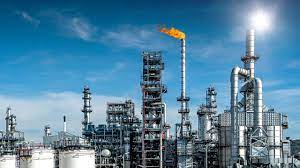

Having a Green Methanol Plant at the Pecém Refinery in Ceará Is Already a Reality for the Company That Develops Oil Refining in the Region, Noxis Energy. The Refinery Is Also Studying a Proposal to Replace Imports of Methanol, Currently 100% Imported. Studies on Oil and Gas Are Being Conducted to Add a Methanol Plant to the Refinery Project.
In this way, there is predictability for the production of two types of methanol: green, which can be obtained through the future supply of green hydrogen locally; and gray methanol, derived from natural gas. In Brazil, the biodiesel and plastic industries are the primary consumers of methanol.
With the synergy of part of the refinery’s machinery, about three hundred to four hundred thousand tons of gray methanol could be produced per year, initially. For this, the price of natural gas in the market is influential; it needs to be below US$ 5/MMBTU. Considering that the price of the substance is subject to constant fluctuations in the Brazilian market, there is an expectation that global prices will ease starting in 2025.
The study also includes the importation of LNG, or liquefied natural gas. This will be conducted through the port built in Ceará, Portocem, in addition to exploring opportunities to acquire natural gas from Petrobras and Eneva, in Sergipe.
-
It’s official: Petrobras takes 75% of block 3 in São Tomé and Príncipe and debuts as an offshore operator outside South America.

-
With a record production of nearly 3 million barrels per day, Petrobras resumes importing diesel in July, highlighting the bottleneck in Brazilian refining.
-
Qantas and Airbus Invest in Company Aiming to Convert Unsorted Household Trash into Jet Fuel

-
Brazil’s ANP Opens 86 New Oil Blocks in the Equatorial Margin, Expanding the Amazon River Mouth Frontier


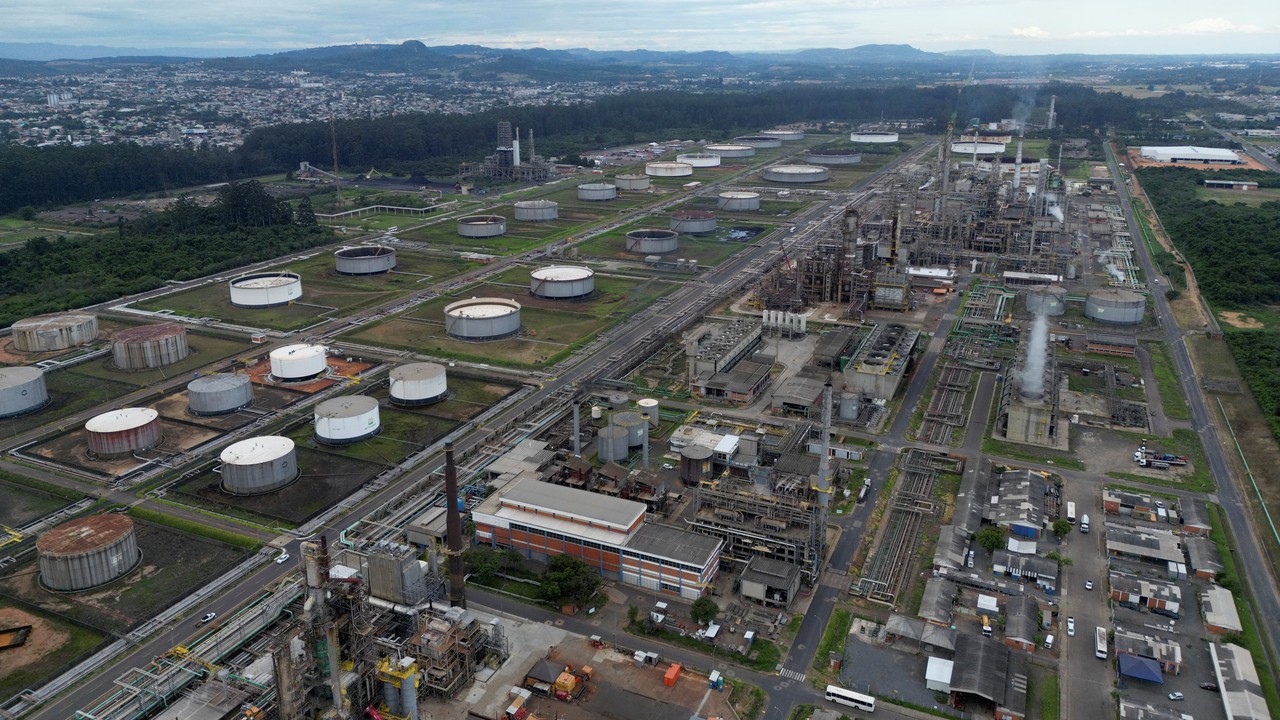

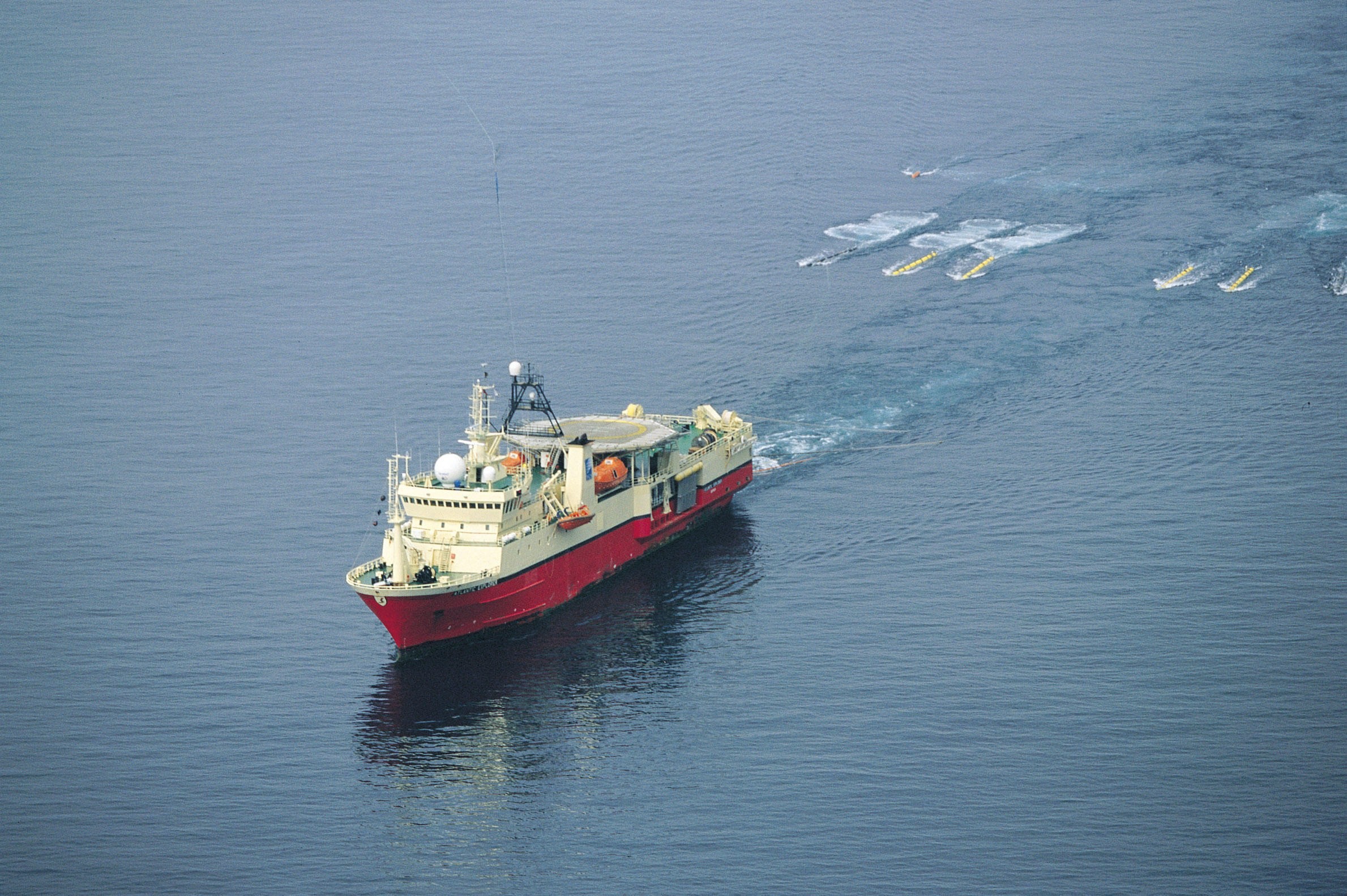
Another piece of news that contributes to the realization of the new plant is the authorization that Noxis obtained from ANP, the National Agency of Petroleum, last December. With this, the refinery will have the capacity to process one hundred thousand barrels per day in the state of Ceará.
In addition to marine fuel oil, the primary objective of the study, the plant also forecasts the production of diesel, gasoline, and LPG, liquefied petroleum gas. The estimate is that, without the methanol plant, the refinery will incur a cost of R$ 1.3 billion. As it stands, the study is in the preliminary license issuance phase, and it is expected that construction can begin later this year, aiming to start operating the private refinery by 2026.
Decentralization of Both Sectors
Contrary to the proposal to revise the terms of the agreement between Petrobras and Cade, the Administrative Council for Economic Defense, by the government transition group, the refinery does not believe in setbacks. The oil and gas refining market has a national plan in which the new government promises that new opportunities will be opened to private agents, and operations will no longer be restricted to Petrobras.
The refinery claims that PPSA, the public company Pré-Sal Petróleo S/A, should make more efforts to induce investments and less in the commercialization of crude oil. Thus, delivering “the Union’s oil to small refiners and, in return, receiving finished refined products of higher added value without taking on investment risks,” conjectured Noxis CEO Gabriel Debellian. This way, the refiner could charge for processing services in a rental service refining system.