Portuguese
  Spanish




Oil-producing municipalities that receive royalties have experienced serious economic impacts due to Petrobras’ measures to tackle the global crisis caused by the new coronavirus, one of which is the hibernation of platforms in order to reduce 200,000 barrels per day in their total production. New Oil Workers Contaminated by the Coronavirus in the Campos Basin, This Time on the P-26 in Macaé
Due to Petrobras reducing daily production by 7 percent and hibernating some platforms in the Campos Basin, due to their economic inability to operate.
The oil-producing municipalities in the Campos Basin will suffer a significant financial impact in the coming months regarding the collection of royalties and special participation (PE).
-
Brazil’s ANP Opens 86 New Oil Blocks in the Equatorial Margin, Expanding the Amazon River Mouth Frontier

-
OPEC+ Boosts Oil Supply by 188,000 Barrels per Day in July 2026, Leading to Price Drop from $112 to $89 per Barrel in Under Two Months

-
TotalEnergies Signs 20-Year Deal to Purchase 2 Million Tons of LNG from Alaska, Boosting Project Viability
-
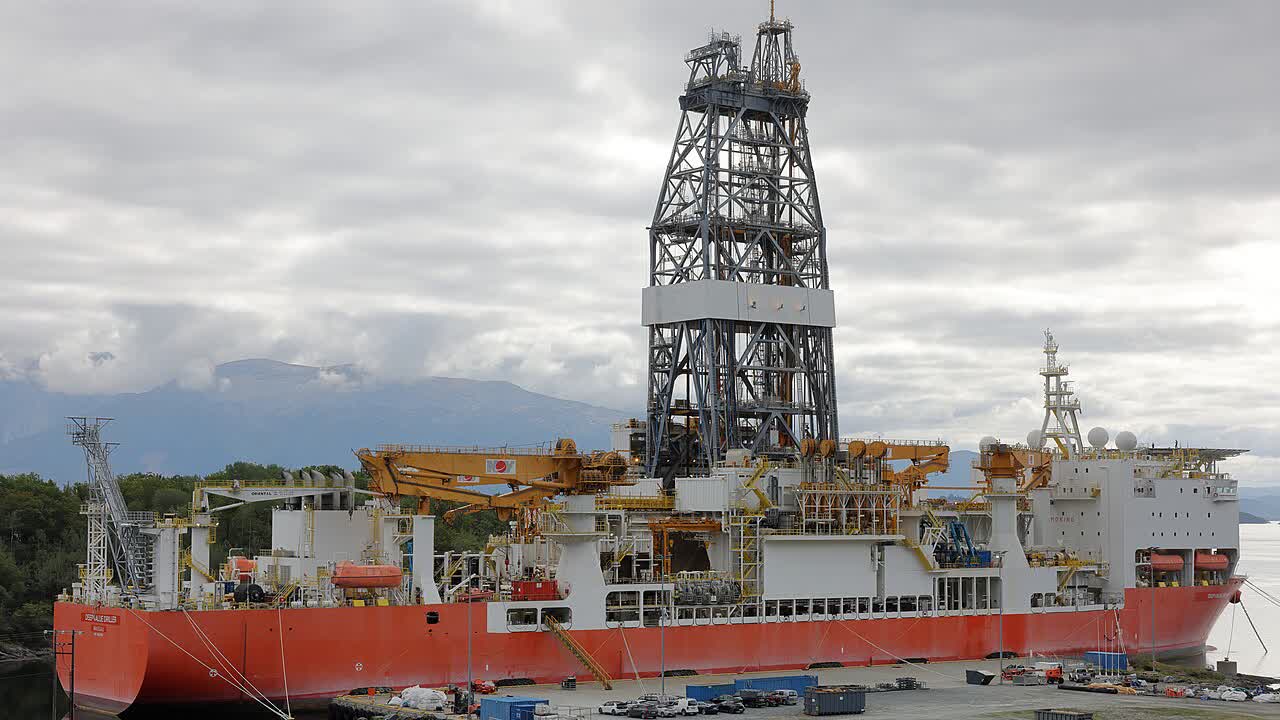
Turkey Deploys Çağrı Bey Drilling Ship to Explore New Oil Frontier Off Somalia’s Coast

According to industry experts, as the Campos Basin will be drastically affected by the new measures adopted by the state-owned company, Campos, which is currently facing serious problems due to a lack of resources, will be one of the most affected municipalities.
There will not only be a drastic decrease in royalty transfers, but also layoffs of workers or terminations by mutual agreement.
According to the director of oil and gas at the Superintendence of Science, Technology and Innovation of Campos, Diogo Manhães, in an interview with Campos 24 Horas, the reduction in oil royalty revenue is already occurring in April for the municipality of Campos.
“These two reductions should also impact most of the oil-producing municipalities in the Campos Basin, even the municipalities of Niterói and Maricá, as the two main fields that pay royalties to these municipalities – Lula and Búzios fields – faced production reductions of 13.4 percent and 21.5 percent in February, respectively,” explains the director, adding that:
The executive also informs that according to the ANP, the current estimates for oil royalties and PEs for Campos are approximately 254 and 30 million reais for the entire year of 2020, respectively. In other words, there will be a reduction of 30 percent in royalty revenue and 76 percent in PE compared to the year 2019.
Specifically regarding the hibernation of some oil platforms in the Campos Basin, recently announced by Petrobras, the production from the Cherne (2 platforms), Namorado (2 platforms), and Garoupa (1 platform) fields will be affected, although other sources also report that platforms in the Enchova and Pampo fields will be hibernated. “Petrobras also has plans to deactivate platforms in the Marlim, Marlim Leste, Marlim Sul, and Barracuda fields, but does not detail this planning, nor the impacts on production in each field,” says Diogo Manhães.
Currently, the royalties paid to the municipality of Campos dos Goytacazes by the Cherne, Enchova, Pampo, Namorado, and Garoupa fields, which are already considered mature fields and are assets being sold by Petrobras, represent only 1% of the municipality’s royalty revenue, therefore, the hibernation of these platforms will not result in significant impacts on the municipality’s royalty revenue, which relies on its revenue from high-production fields.
“The same cannot be said for the possible impact on royalty and PE revenue from the hibernation of platforms in the Barracuda fields and the Marlim hub, which currently represent 41% of the royalty revenue received by the municipality and 50% of the PE revenue. But we are monitoring daily the information released by Petrobras and the ANP to analyze the possible additional impacts on the municipality’s revenue from the hibernation of platforms in these fields,” explains the director.
“There are no compensation measures. There is a compensation proposal advocated by the President of the Federal Chamber, Rodrigo Maia, for ISS for municipalities. It has nothing to do with oil royalties. One alternative would be the redistribution of the Union’s royalties to the municipalities, but this is not expected to happen. So, the path is austerity and cost-cutting,” concludes Diogo Manhães.