Portuguese
  Spanish


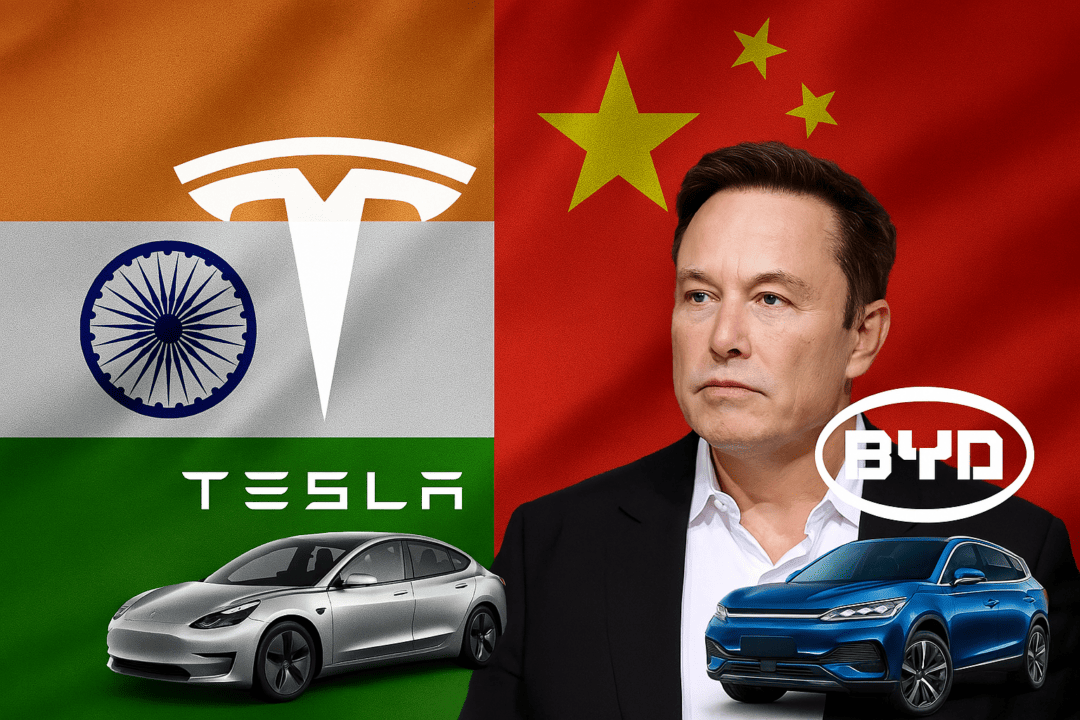


Diplomatic Relations Between India And China Are Directly Affecting The Automotive Sector. The Indian Government Rejected Investments From Chinese Giant BYD, Citing Strategic Concerns. On The Other Hand, India Is Seeking To Attract Elon Musk To Establish A Tesla Factory On Its Territory, Signaling A Preference For Deals With Western Companies And Strengthening Its Geopolitical Position
The Government Of India Has Adopted A Firm Stance Against The Entry Of Investments From Chinese Manufacturer BYD. Commerce Minister Piyush Goyal Stated That “For Now, It’s A No” To The Proposal Of Establishing A Factory By The Automaker In The Country. The Justification Is The Protection Of National Strategic Interests.
India Rejects Billion-Dollar Proposal From BYD
During The India Global Forum In Mumbai, Goyal Explained That India Must Be Cautious About Who It Allows To Invest In Its Territory.
The Statement Was Made In Reference To BYD’s Proposal, Which In 2023 Had Suggested Investing US$ 1 Billion In A Factory In Partnership With A Local Company. The Project Did Not Move Forward.
-
Discover the 2021 Fiat Cronos 1.3: Affordable Maintenance, Reliable Mechanics, and Fuel Efficiency of Up to 15.6 km/l

-
Cummins Unveils Hydrogen-Powered X15H Engine with Over 800 km Range and 15-Minute Refueling, Challenging Electric Truck Dominance

-
Chevrolet Onix 2026 Priced at R$ 86,790 with Discounts, Underpricing Citroën C3; Features 1.0 Engine, 6 Airbags, 8″ MyLink, Wi-Fi, and OnStar

-
Fiat Mobi Price Nears $18,000 in Brazil: Entry-Level Hatch with 1.0 Firefly Engine, Manual Transmission, and Stability Control Sees $400 Increase.


The Chinese Manufacturer Is Not Alone. Great Wall, Another Chinese Automaker, Also Faced Barriers And Ultimately Withdrew From The Indian Market After Failing To Obtain The Necessary Regulatory Approvals.
India Is Currently The Third Largest Automotive Market In The World, Making These Decisions Particularly Relevant To The Sector.
Tense Relations With China Influence Decisions
The Refusal Of BYD’s Proposal Seems To Add To A Troubled History In The Relations Between India And China. Since 1962, The Two Countries Have Faced Disputes Over Territory At The Border, Which Still Influences Political And Commercial Decisions. Minister Goyal’s Reaction Is Seen As Part Of This Tighter Stance Towards Chinese Companies.
The Hardening Of The Indian Government’s Stance With Chinese Manufacturers Contrasts With The Enthusiasm Displayed Towards The Possibility Of Establishing A Tesla Factory In The Country. India Has Shown Interest In Attracting Elon Musk’s Company, And Some Measures Have Already Been Taken In This Direction.
Tesla Gains Strength With Government Support
With Direct Support From The Indian Government, Tesla May Start Selling Its Cars In The Country As Early As This Month. To This End, India Has Reduced Import Tariffs On Foreign Vehicles, Facilitating The Entry Of The Brand’s Models.
The Plan Is More Ambitious: It Is Expected That Tesla Will Establish One Of Its Gigafactories On Indian Soil. The Idea Is Old, Dating Back To 2021, But Was Delayed In 2022 And 2023. In 2024, The Project Regained Momentum, Especially With Elon Musk’s Mediation.
Relationship Between Musk And Modi Boosts Negotiations
The Good Relationship Between Elon Musk And Indian Prime Minister Narendra Modi Has Also Influenced This Movement. The Two Maintain Constant Dialogue And Have Met Several Times Over The Past Few Years.
The Indian Government Also Hopes That The United States Will Approve The Establishment Of Tesla’s Factory In The Country, Strengthening The Presence Of The American Brand And Opening A New Chapter For The Indian Automotive Sector.