






 Portuguese
  Spanish


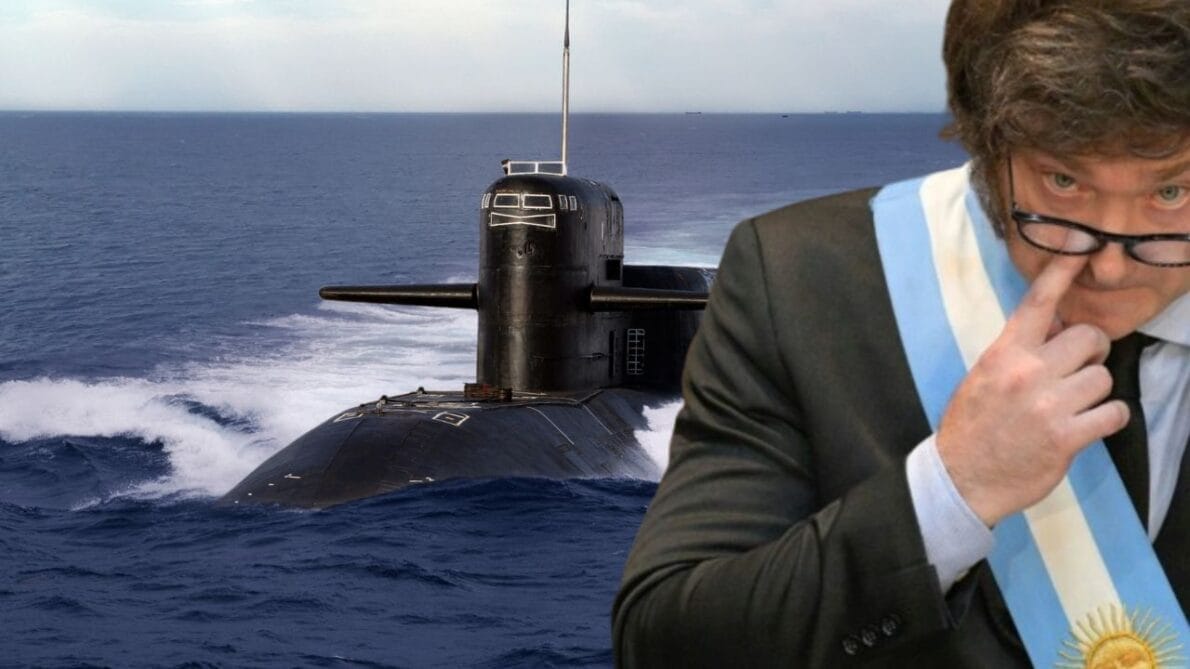

In Light of Brazil’s Advances in Submarine Technology with the Prosub Program, Argentina Plans to Modernize Its Naval Fleet Through the Acquisition of Used Submarines, an Economic Measure Aimed at Maintaining Regional Competitiveness Without Exceeding the Country’s Budgetary Limits.
While Brazil celebrates the advances of its Prosub program, with the delivery of cutting-edge submarines, Argentina is also making strides. The neighboring country, known for its historical rivalry and strategic ambitions, seeks to expand its submarine military capabilities. The head of the Joint Chiefs of Staff, General Xavier Isaac, emphasizes the importance of this move for national security and the protection of Argentina’s natural resources.
Argentina faces significant economic challenges, complicating new and expensive acquisitions. Therefore, the plan includes investing in used submarines, a more economical and immediate option. Although less advantageous than domestic construction—since it does not promote technology transfer like the Brazilian program—this strategy allows Argentina to maintain its naval competencies without compromising the defense budget.
Modernization Aiming to Recover and Strengthen Argentina’s Naval Capacity After Losing the Ability to Build Submarines from Scratch


These efforts are part of a larger plan for renewal and modernization aimed at recovering and strengthening Argentina’s naval capacity after losing the ability to build submarines from scratch. The Argentine government recognizes that modernizing the fleet is crucial, even if the balance between costs and strategic needs is a constant challenge. General Xavier Isaac expressed optimism about the project’s progress by the end of the year, emphasizing the country’s commitment to remain competitive in international waters.
-
They exchanged the idea of a large house for a 35 m² warehouse, spent US$ 12,000 on the structure, and created a tiny house in Colorado with space to live and work.

-
While modern cities rely on pumps and electricity, in Iran, ancient tunnels carried water through the desert using only slope and gravity.
-
Instead of sending families far from the city, a project in Chile intentionally created incomplete houses on expensive urban land and left technical space for each to grow.
-
General Motors Replaces Over a Thousand Workers with 50 Cobots at Electric Vehicle Plant, UAW Union Criticizes Move Amid Industry’s Automation Push


Decision to Invest in Used Submarines Reflects a Practical Approach Adapted to Current Economic Realities
This strategic move not only balances the forces in South America but also reaffirms Argentina’s role as a relevant naval power in the region. The decision to invest in used submarines reflects a practical approach and adapted to current economic realities, ensuring that Argentina remains a key player in the maritime geopolitical landscape.









Como faze manda Coricolo
Isto me cheira corrupção e ****, se sua família esta morrendo de fome vc tem que trabalhar para se organizar satisfazendo suas necessidades básicas e não comprar uma arma velha. Só fará isto se houver alguém ganhando na compra e na venda.
Para compreender a importância das Malvinas, deduzam….O Presidente General Galtieri errou. Acreditou que ocupando as ilhas, a Grã Bretanha não iria se importar e nem viria guerrear. Mesmo sabendo que em eventual pós guerra atômica, as Ilhas Malvinas poderão ser um dos territórios que permanecerá com oxigênio ótimo para respirar. Alguém crê que a Inglaterra devolverá a área ocupada ou não? Além de quê, o Porto lá é altamente estratégico…Sempre tem submarinos nucleares estacionados por lá…