






 Portuguese
  Spanish


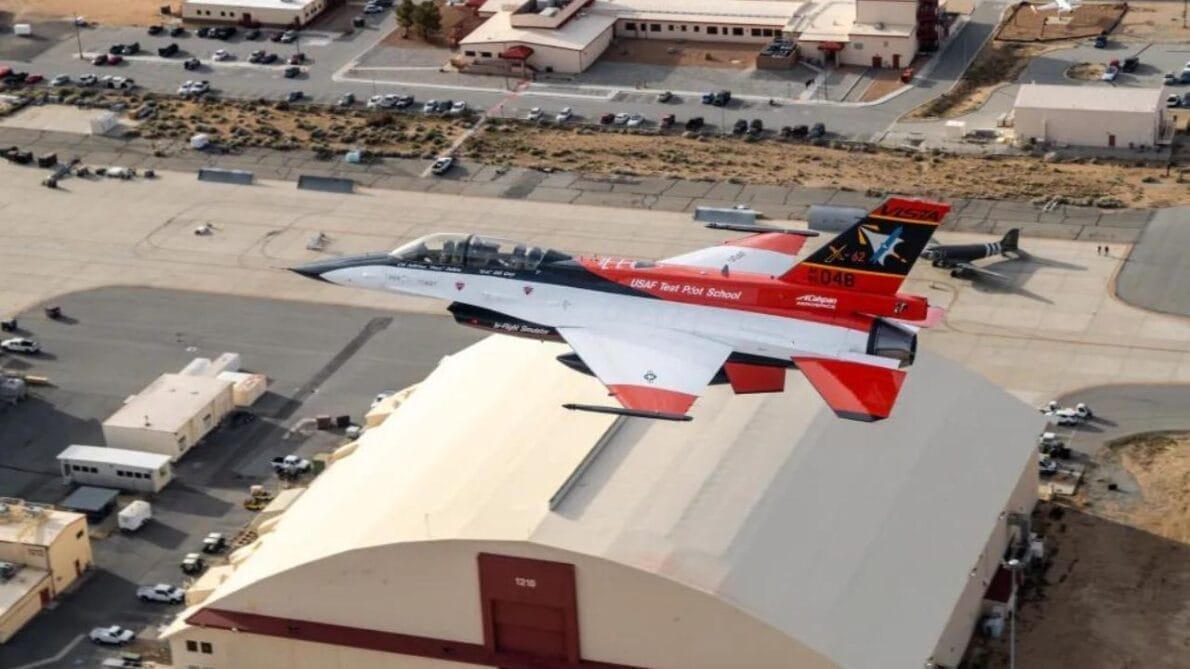

In An Innovative Test, An AI-Powered Jet Fighter Defeated A Human Pilot In Air Combat Maneuvers, Highlighting Both The Potential And Risks Of Complete Autonomy In Military Contexts, And Sparking Debates About Ethical Responsibilities And The Need For International Regulation.
In the recent Air Combat Evolution (ACE) program by DARPA, a fighter jet equipped with the autonomous Vista system, developed by the U.S. Air Force, demonstrated superior skills in air combat maneuvers, achieving speeds over 880 km/h. This achievement not only redefines air combat capabilities but also raises significant questions about the role of AI in critical life-and-death decisions.
The Vista system, which learns from millions of data collected in simulators, shows an impressive advancement in air combat technology, allowing fighter jets to operate without human pilots. This can transform military strategies, increasing pilot safety and reducing operational costs.
Artificial Intelligence Surpasses Humans In Air Combat

However, this autonomy comes with significant concerns. Armed experts and humanitarian organizations, such as the International Red Cross Committee, are alarmed at the prospect of machines making autonomous choices in war scenarios. There is a growing call for international regulations to ensure ethical and responsible use of AI in combat environments.
-
The Port of Itaqui closes the best first semester in history with over 17 million tons and takes off as the locomotive of the Northern Arc.

-
Brazil’s North-South Railway to Auction Two Grain Terminals in Central Tocantins

-
AI-powered traffic cameras in São Paulo now issue fines for cellphone use and seatbelt violations around the clock

-
Free Upgrade to Professional Driver’s License Categories in Over 130 Locations in Brazil, Including Exams and Courses



The U.S. Air Force plans to increase its fleet of unmanned aircraft, aiming to have over a thousand AI-controlled fighters by 2028. Meanwhile, China is also investing in similar technologies, although it has not yet conducted real combat tests.
This development suggests a future where air combat may be dominated by machines, but it also imposes an urgent need to debate and establish clear limits on the use of AI in military applications, especially in a fighter jet.








