Portuguese
  Spanish




Living Off the Grid, Extreme Repurposing, and Car-Free Routines Show How Choices Impact Energy, Water, and Waste in Daily Life
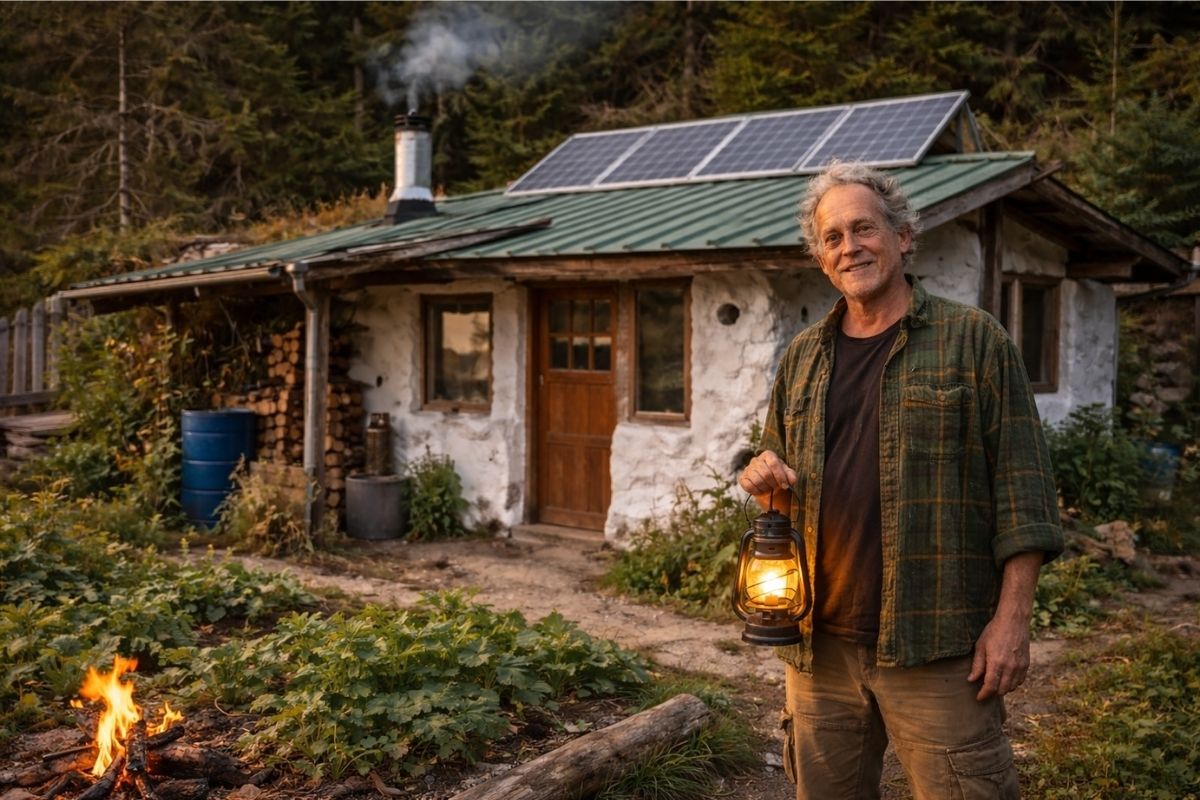
The decision to live off the grid led a resident to create his own solutions for almost everything, from building the house to waste disposal. For 18 years, he has lived off grid on an island without cars, where there is no connection to the main electrical grid.
Life takes place in a community accessible only by pedestrian ferry, which completely changes the logic of consumption, transportation, and infrastructure. Energy, water, and waste need to be addressed locally, making each choice a direct part of everyday survival.
In this scenario, the house built almost entirely by one person has become an example of extreme adaptation. The project combines material repurposing, home food production, and simple systems that work in harmony with the natural environment.
-
A metal detector led a prospector to a rock that resisted a saw, acid, drill, and sledgehammer; years later, scientists cut the block with diamond and discovered a 17 kg meteorite from the beginning of the Solar System.

-
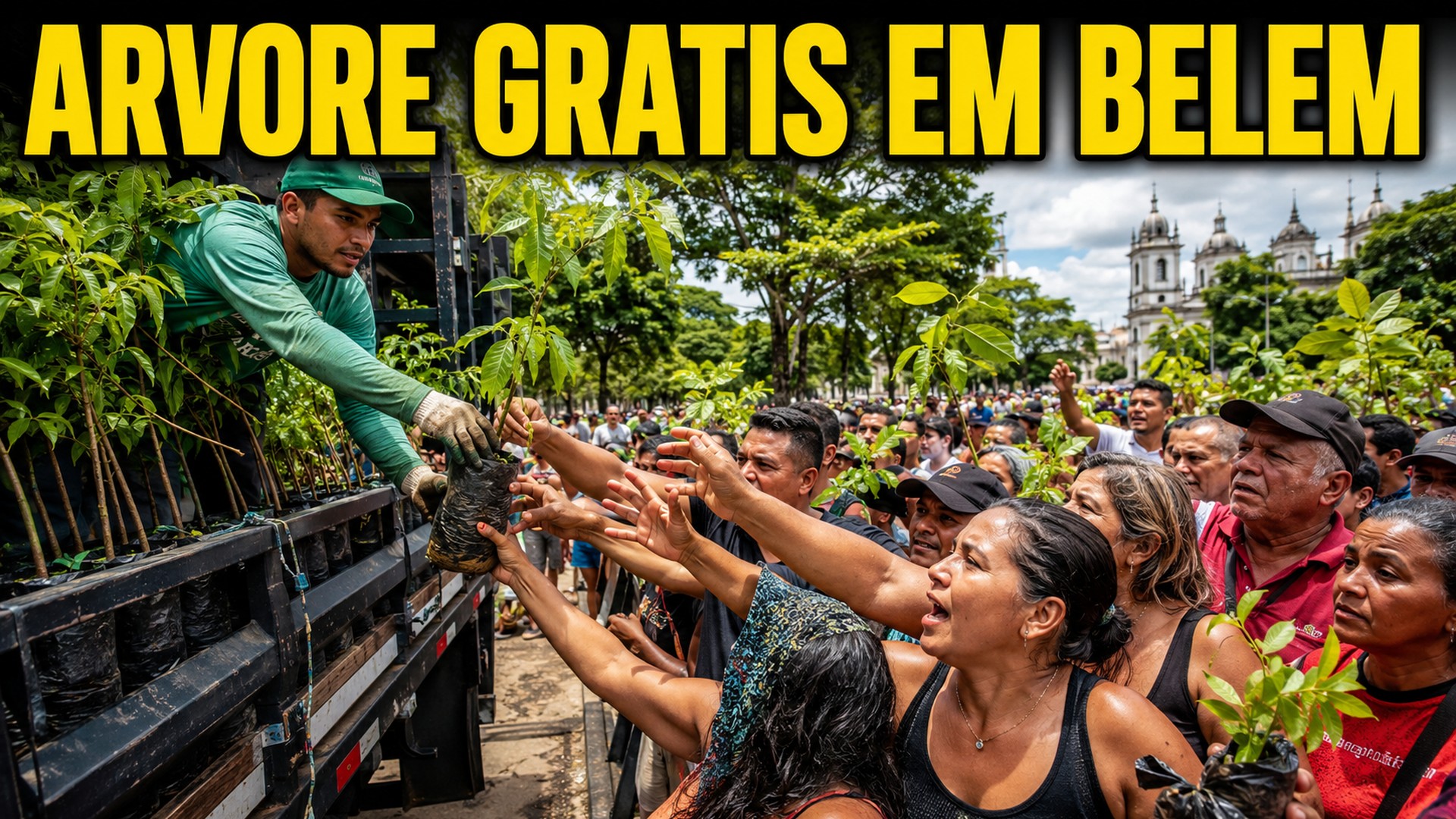
Just one message on WhatsApp: Belém launches “Plante Aqui” and plants a tree for free at your doorstep within 15 days, with a goal of 5,000 seedlings by the end of 2026 in the capital of Pará.

-
The most ‘stingy’ millionaire in Canada? Bill Holland saved money to retire at 32, led the management company that now manages $140 billion, and still takes public transportation, in the same club as Warren Buffett and Elon Musk.
-
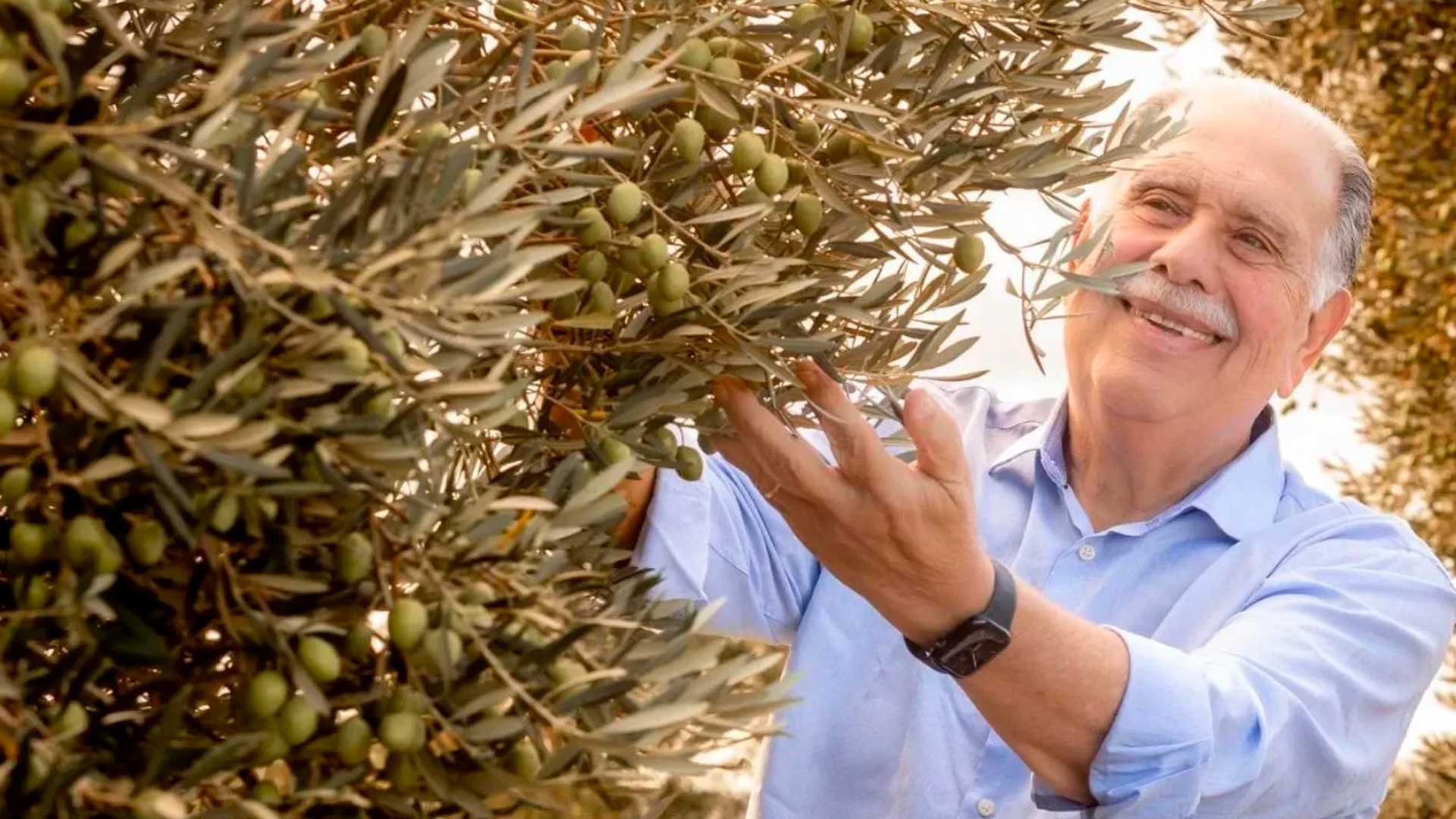
At 79 years old, the businessman who led Burger King’s arrival in Brazil announces an investment of R$ 380 million to create a “Gaucho Tuscany” on 370 hectares, with private vineyards, olive groves, a luxury hotel, and its own wine and olive oil production, along with about 200 properties.

What It Means to Live on a Car-Free Island and Off the Grid
The island where he lives is located in the Strait of Georgia on the coast of Canada and has no connection to the conventional electrical grid. All residents rely on their own systems to generate energy, collect water, and handle waste.
The absence of car transportation alters logistics from the start. Access is via a ferry exclusively for passengers, which limits the transport of heavy materials and encourages maximum use of local resources.
The land occupied is about 12 acres, sufficient space for cultivation, firewood management, and raising animals. Each structure was designed to be built and maintained by one person, without relying on machines or large teams.
The Trajectory That Led to a Definitive Off-Grid Life

Born in South Africa, he moved to the Gulf Islands in Canada in the mid-1980s. Even before living off the grid, he had accumulated experience with agriculture, firewood, and manual labor.
A turning point came after working at sea in the 1980s and observing large concentrations of floating waste. The experience provoked a radical change in direction, with the search for a remote and environmentally preserved place.
His off-grid life on this island began around 2007, solidifying a long-term plan. Decades later, now a grandfather, he sees the property as the materialization of a choice made to span his entire life.
How the House Was Built with Local Materials and Simple Solutions
The construction combines conventional and alternative techniques, always prioritizing materials from the land itself. The foundation mixes concrete with local stones, while the interior walls use wood and sand available in the area.
The metal roof was chosen to withstand the coastal climate and facilitate rainwater harvesting. The thermal insulation uses rock wool, reducing heat loss and decreasing the need for constant heating.
Each stage was designed to allow for individual execution. This influences everything from the size of the pieces to the choice of building methods, making maintenance simpler over the years.
Solar Energy, Firewood, and Adaptation to Severe Winters

Electricity comes from solar panels connected to batteries, installed in a shelter built on-site. The system requires strict monitoring of consumption, especially during winter when days are shorter.
For heating, he uses different wood stoves, including a masonry stove, a cast iron model, and a rocket stove used to heat a bathtub. Each solution addresses a specific need throughout the year.
During periods of higher risk for wildfires, the use of fire is reduced. In these situations, propane gas is used as an alternative for heating water and cooking, ensuring safety without compromising the functioning of the house.
Rainwater Harvesting and Off-Grid Sanitation
All the water used in the residence comes from rain collected directly from the roof. The system includes storage and filtration, adapted to the rainfall regime of the Canadian Pacific coast.
Without a sewage system, sanitation relies on decentralized solutions. Composting toilet, careful waste management, and conscious water use are part of the daily routine.
These systems require constant attention, but reduce reliance on external infrastructure and maintain the operation of the house even during long periods of isolation.
Waste Turns into Walls and Tires Gain New Functions in Construction
One of the most striking aspects of the house is the repurposing of waste. Tires from an old truck on the island were used in the chamber of a composting toilet, transforming common discard into part of the sanitation system.
Another example is the use of approximately seven years of compacted household waste inside the walls of the solar panel shelter. The material was encapsulated and incorporated into the structure, reducing the volume sent off the island.
This practice does not replace public waste management policies but concretely exposes how much waste is generated even in a simple lifestyle with reduced consumption.
Food Production, Local Trading, and Supplementary Income
A large part of the diet comes from the land itself, with cultivation of fruits, vegetables, seed germination, and bread production. Raising water buffalo for milk production enhances food autonomy.
Despite self-sufficiency, some items still need to be purchased off the island. For this, he works as a roofer, using his skills on other constructions and generating supplementary income.
Trips to the city happen every few months for resupply. In daily life, trades with neighbors help meet needs, strengthening community life in an isolated environment.
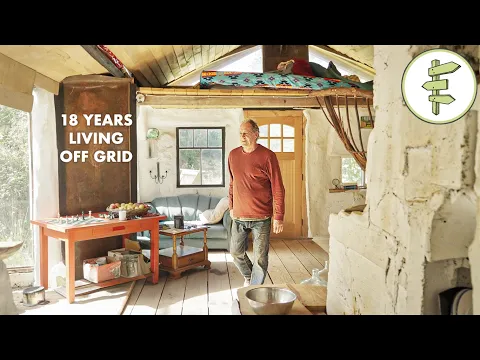

Living off the grid on a car-free island does not mean total isolation, but rather a complete reorganization of the relationship with consumption, work, and time. Each choice has a direct impact on the functioning of the house and the balance with the natural environment.
The experience shows real possibilities for reducing environmental impact, but also makes clear the level of physical effort, planning, and adaptation required. Life off the grid offers autonomy but demands constant attention and responsibility in every detail of daily life.