Portuguese
  Spanish





U.S. President Imposed 50% Tariff on Brazilian Products, but Exempted the Aerospace Sector; Embraer Shares Jumped More Than 10%
Embraer (EMBR3) shares rose more than 10% on Wednesday (30) after the official announcement of the list of products exempt from the new U.S. import tariff. President Donald Trump imposed an additional 40% tariff on Brazilian exports, raising the total to 50%. However, airplane parts and supplies related to civil aviation remained at the previous tariff of 10%.
The decision relieved investors and boosted the shares of the company in the final stretch of trading. Embraer relies heavily on the U.S. market: about 45% of exported commercial jets and 70% of executive jets are bound for the U.S. There was concern that the manufacturer would be one of the most affected by the tariff hike.
Exemption Preserves Competitiveness and Boosts the Market
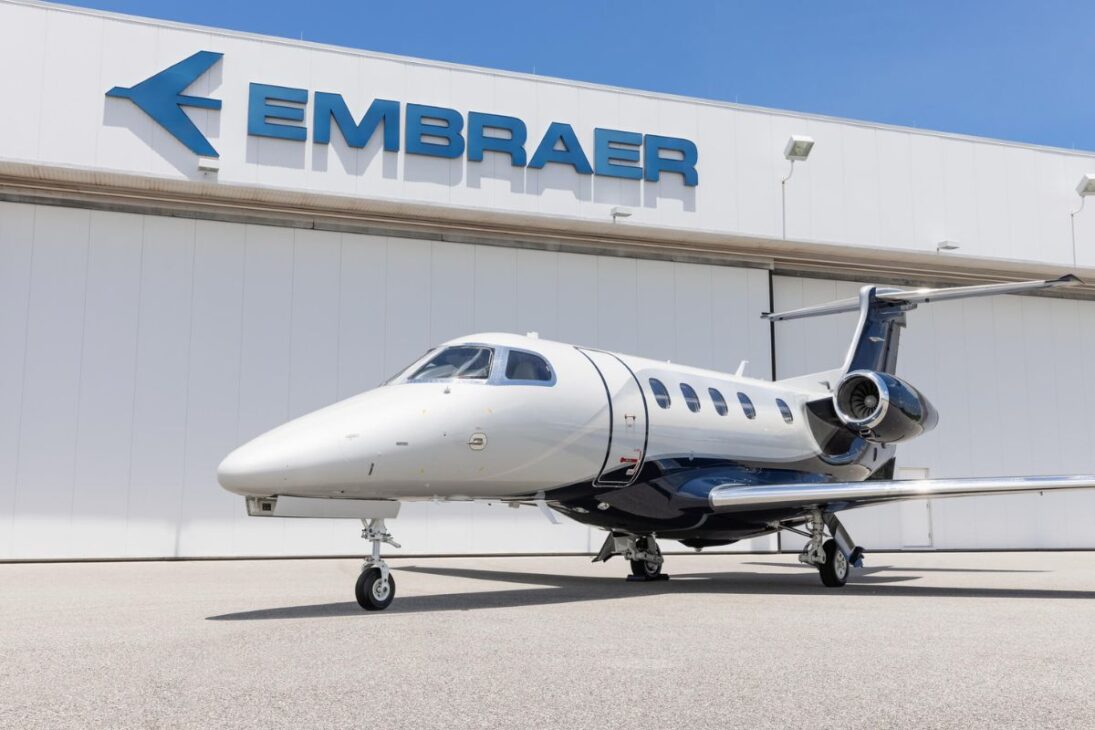
The White House announcement was made via an executive order, based on the International Emergency Economic Powers Act (IEEPA). While the measure expanded taxation on hundreds of Brazilian products, 694 items were spared, including strategic components for the aviation sector.
-
Brazil’s 2026 Tax Refund: Record 9.58 Million Filers in Largest Payout Ever, But a Key Detail on Priority Recipients Draws Nationwide Attention

-
Itaú Alters Hybrid Work Model, Increasing Office Days from 2028, Prompting Employees to Adjust to New Routine
-
Facing Labor Shortage, Japan Plans to Invest $34 Million to Attract Foreign Workers in Construction, Healthcare, Industry, and Commerce

-
Brazilian City Makes Remarkable Leap, Becomes 4th Wealthiest in the Country with GDP of R$ 134.1 Billion




Replacement parts, turbines, tires, engines, and other “civil aircraft only” items remain at a 10% tariff, ensuring Embraer’s competitiveness in international contracts. Analysts at BTG Pactual had warned that the company could be the most adversely affected among national exporters.
Brazilian Government Acted to Keep Sector out of Taxation
According to reports from Folha de S.Paulo, the Brazilian government intensified diplomatic efforts in the last 48 hours to remove food and aircraft from the final list of taxed products. The effort resulted in a partial retreat by the White House, which maintained previous conditions for the aerospace sector.
In an official statement, Embraer stated that it is “actively engaged” in bilateral negotiations and expressed optimism about a resolution that fully restores the tariff exemption. The company did not provide financial projections, but the positive market impact was immediate.
Exports Continue with Reduced Tariff for Critical Items
The exemption granted to aerospace supplies was also applied to other strategic products, such as orange pulp, Brazil nuts, iron ore, natural gas, silver, and gold. However, copper derivatives and electrical cables fell under the new 50% tariff, citing national security reasons.
The measures are part of an economic offensive by Trump to protect sectors deemed sensitive in the U.S. The new tariff policy will go into effect on August 1st and may be reviewed depending on the evolution of diplomatic relations.
Do you believe that Embraer narrowly escaped? Do you think the aerospace sector should be completely exempt in international agreements? Share your opinion in the comments — we want to hear from those who follow the market and understand the real impact of these decisions.