






 Portuguese
  Spanish




Unit in Paraná Will Expand Embrapa’s Activities in Southern Brazil
As the years go by, technology advances rapidly, and agriculture has not been left behind. In this regard, Embrapa, the Brazilian Agricultural Research Corporation, has stood out as one of the leading institutions in research and innovation in agribusiness.
Recently, news has caught the attention of countryside lovers and technology developers: the confirmation of Embrapa’s research unit in Toledo. But what does this mean, after all? What will be the role of this unit in the innovation of Brazilian agribusiness? What benefits will it bring to the Toledo region and to the entire country? Follow along to learn more about this important initiative by Embrapa.
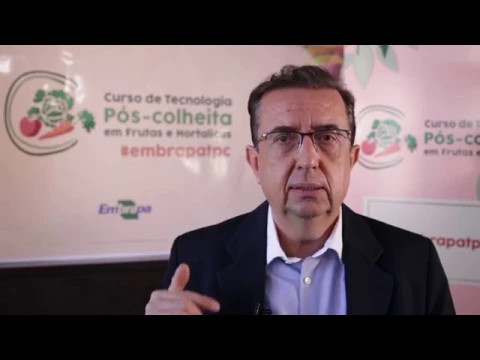
Learn More About Embrapa’s Recent Actions to Combat Food Waste with the Video Below

The New Research Unit in Toledo Will Focus on Animal Protein Chain Research
With the confirmation of the creation of a new research unit in Toledo, Embrapa aims to expand its activities in the Western region of Paraná. The installation of the unit will consist of specialized researchers and technicians who will work on innovative projects and technology applied to agribusiness.
-
Half of Brazilians Prefer Lower Taxes with Private Health and Education, While 44% Opt for Higher Taxes for State-Provided Services, Datafolha Survey Reveals

-
Brazil’s Most Expensive Toll Rises to R$ 40.60 on Route from São Paulo to the Coast, Nearly Matching Bus Fare to Santos

-
As Brazil Expands Social Welfare, Survey Reveals 40% Blame Poverty on Laziness, While 58% Cite Lack of Opportunities

-
China Tightens Control on Antimony, Driving Prices from $22,000 to Nearly $40,000 per Ton as U.S. Rushes to Bolster Strategic Reserves




The new research unit in Toledo will have modern laboratories and equipment, as well as experimental areas for testing and developing new technologies. However, the expectation is that the unit will help improve agricultural production in the region, enhancing the quality and productivity of crops.
The focus will be on research into the animal protein chain, particularly swine, poultry, and fish. These areas are of utmost importance within the country’s agricultural production and have enormous growth potential. According to Lunitti, the mayor of Toledo, this research will further enhance the agricultural production of the region.
This initiative from Embrapa was only possible thanks to the efforts of a delegation that was in Brasília last July and was received by the president of the entity, Celso Moretti. The mayor of Toledo thanked the delegation for their efforts and highlighted that this achievement belongs to all involved and consolidates the city as a hub of innovation, technology, and research.
The Importance of Innovation for Agribusiness
The creation of the new research unit in Toledo by Embrapa reinforces the importance of innovation for the agribusiness sector. With the use of more sustainable and efficient technologies and practices, it is possible to increase productivity and competitiveness in the sector while reducing environmental impact.
In addition, innovation can also contribute to the generation of new businesses and job opportunities in the region, fostering economic and social development. With the installation of the new research unit in Toledo, Embrapa reaffirms its commitment to the sustainable development of the agribusiness sector in the country.
Embrapa and Its Importance for Brazilian Agribusiness
Embrapa, Brazilian Agricultural Research Corporation, is a reference institution in research and innovation in the agribusiness sector in Brazil. In this sense, with over 40 years of operation, Embrapa has contributed to the development of sustainable technologies and practices in the field, increasing productivity and competitiveness in the sector across the country.
Founded in 1973, Embrapa aims to promote sustainable development in Brazilian agriculture through innovative research and technologies.
Throughout its history, Embrapa has developed a series of research projects that have significantly contributed to improving the productivity and quality of food produced in Brazil. After all, its research focuses on various areas, such as genetics, plant improvement, soil management, and production systems, among others.
One of the highlights of Embrapa’s research is in the animal protein chain, which includes swine, poultry, and fish. The company has been investing in research in this area to enhance agricultural production and meet market (inter)national demands.
Embrapa has also been fundamental in developing technologies for agricultural production in tropical climate regions. Therefore, through the development of new seed varieties, efficient irrigation systems, and soil management techniques, the company helps make agriculture more productive and sustainable throughout the country.


