Portuguese
  Spanish


Embrapa Developed Resistant Cultivars to Protect Bananas from Extinction Caused by Fusarium Wilt. Learn About the Research Details, the Risks of the Disease, and How Brazil Is Preparing to Face This Threat.
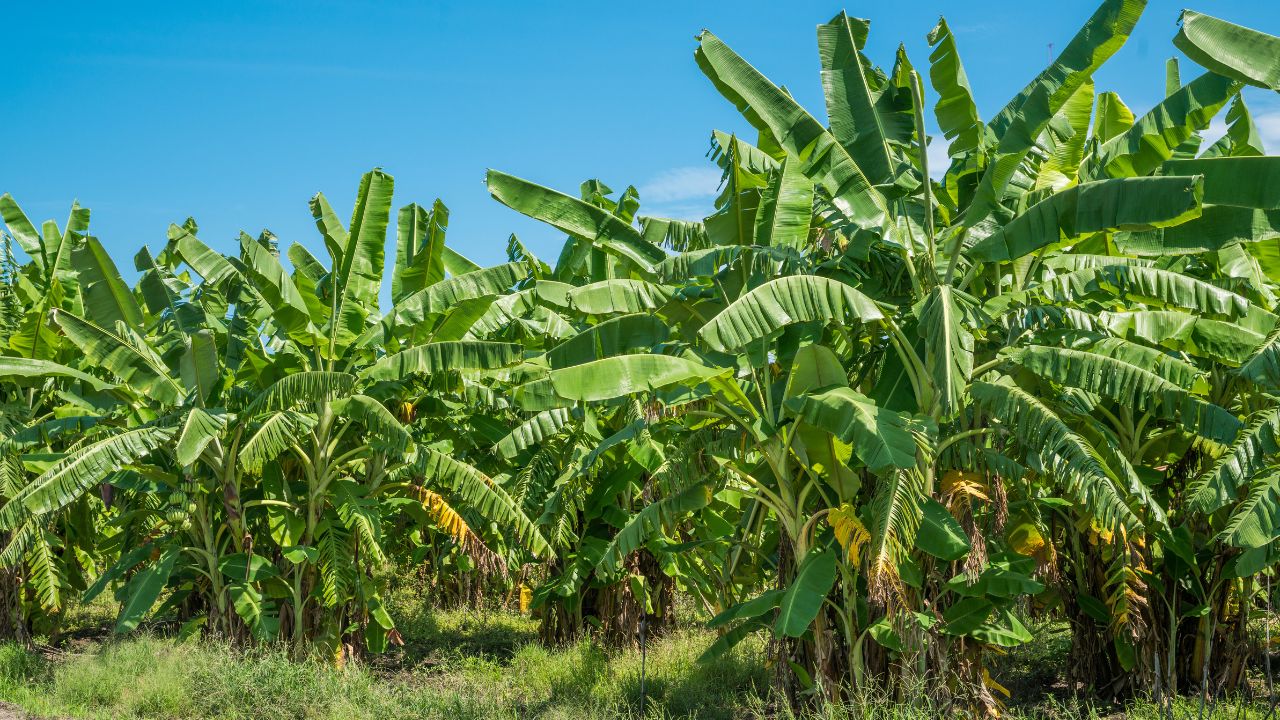
Bananas, one of the most consumed fruits in the world and a symbol of everyday food for Brazilians, face a real risk of commercial extinction. The danger comes from Fusarium wilt, a disease capable of devastating entire plantations in a few years. The challenge is so great that researcher Edson Perito from the Brazilian Agricultural Research Corporation (Embrapa) describes the fight against the fungus as “fighting with a tank.” The severity lies in the microorganism’s ability to persist, remaining active in the soil for up to 50 years.
What is Fusarium Wilt and How Does It Work?
Previously called Panama disease, Fusarium wilt is caused by the fungus Fusarium oxysporum f. sp. cubense.
The pathogen spreads through soil and water, and its survival mechanism occurs through the formation of resistant structures called chlamydospores.
-
India’s Sugar Export Cuts and Ethanol Shift Amid El Niño Threat Could Impact Global Prices and Stocks

-
Quarantine Pest Threatening Palm Trees Puts Brazilian Authorities on Alert, Prompts Monitoring at University of Taubaté and Potential Control Measures Across São Paulo
-
Global Alert: Report Finds 159 Pesticides in Coffee Beans Sold in Europe, Posing Serious Risks to Millions of Farm Workers
-
Low-Demand Brazilian Beef Offal Gains Popularity Abroad: Indonesia Purchases $19.5 Million, Boosting Revenue and Reducing Waste



This capability allows the fungus to “hibernate” and remain in the environment even without the presence of banana plants.
Currently, experts classify the disease into three main types: Race 1, Subtropical Race 4, and Tropical Race 4.
Among them, the most aggressive is the tropical race, already recorded in Latin American countries such as Colombia, Peru, and Venezuela.
Banana Extinction: The Situation in Brazil
In Brazil, Race 1 has already caused significant damage. It was primarily responsible for the drastic decline in banana production of the apple variety, considered extremely susceptible.
The silver bananas, on the other hand, showed more resistance, while the dwarf varieties managed to remain productive, albeit at risk.
The presence of Subtropical Race 4 is also noted in national territory, especially in the South and Southeast regions.
However, its action is usually limited, as it depends on low temperatures to manifest intensely.
The greatest fear lies in the arrival of Tropical Race 4. There are no confirmed cases in Brazil yet, but experts believe it is only a matter of time.
As Perito explains, the spread can occur easily, even through the sole of a shoe.
Embrapa Strategy
To prevent a catastrophe in Brazilian banana cultivation, Embrapa decided to pursue a path considered safer: genetic improvement.
Since 2022, tests have been conducted in Colombia in partnership with AgroSavia, the Colombian Corporation of Agricultural Research, and the Colombian Banana Growers Association (Augura).
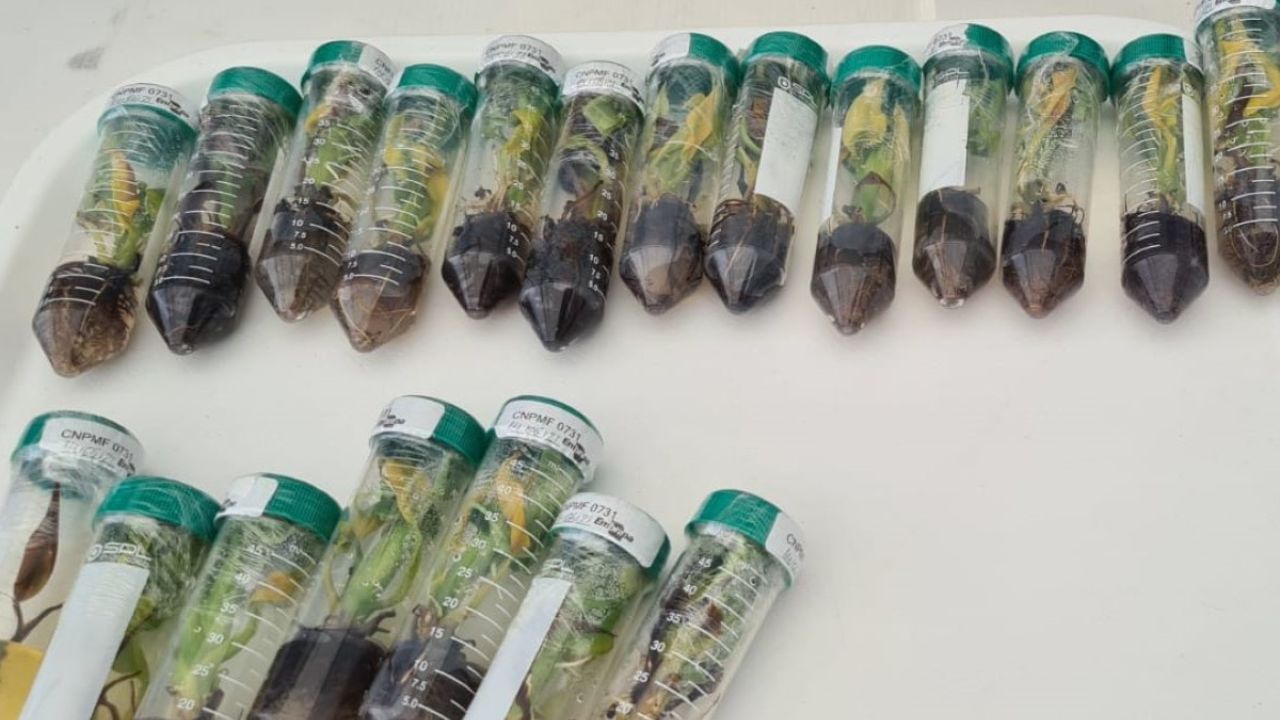
The experiments showed that the BRS Princesa, BRS Platina, and BRS Gerais varieties resisted the attack of Tropical Race 4. Less than 1% of the plants of these cultivars showed symptoms of the disease, which classified the three as resistant.
With this advancement, Perito emphasizes that the fruit will not disappear:
“What we can say from this is that no, bananas will not be extinct with Tropical Race 4 of Fusarium. Embrapa is contributing to global banana production, not just Brazilian, developing cultivars that are resistant to this disease.”
BRS Princesa: Resistance and Established Market
Among the varieties presented by Embrapa, BRS Princesa is one of the most promising.
This cultivar of apple banana became the first of its kind to show resistance not only to Tropical Race 4 but also to Race 1, which is responsible for decimating plantations of this fruit in the country.
In recent years, Princesa has gained significant market share.
According to information from Ceagesp technicians, almost 100% of the apple bananas sold currently in São Paulo already belong to this cultivar. Acceptance from both producers and consumers is considered high.
BRS Platina: Strong Presence in the Silver Segment
Another bet from Embrapa is BRS Platina, a cultivar of silver banana, the most planted and consumed type in Brazil.
Currently, about 50% of the 456 thousand hectares of bananas cultivated in the country correspond to this group.
Despite the proven resistance to Fusarium, Platina still faces some commercial obstacles.
Its ripening time on the shelves is longer, making it less competitive compared to the Dwarf Silver, which is preferred in the market.
Even so, it represents a safe and viable alternative to face the threat of the disease.
BRS Gerais: The Newcomer Scheduled for 2026
The third resistant variety is BRS Gerais, considered an evolution of Platina.
This cultivar was developed to approximate the traditional Dwarf Silver even more in flavor, aroma, and shelf life.
Although it is not yet available for commercialization, its official launch is already planned for 2026.
The registration with the Ministry of Agriculture and Livestock was recently completed, solidifying the expectation that Gerais will become one of Brazil’s main weapons against Fusarium wilt.
Embrapa has initiated studies to develop resistant varieties of Dwarf Bananas, which are responsible for a significant portion of Brazilian exports.
The initial results are promising and may soon lead to new cultivation options with high resistance to the disease.
If confirmed effective, this innovation will ensure Brazil not only the continuity of internal production but also the maintenance of its competitiveness in the international fruit trade.
Resistance to Other Diseases
In addition to tolerance to different races of Fusarium, the three cultivars presented by Embrapa demonstrated resistance to the fungus causing Yellow Sigatoka.
This disease requires intense use of fungicides in conventional management, but with the new varieties, the need for pesticides decreases significantly.
According to Perito, this characteristic reinforces the sustainable nature of the research, as it reduces production costs and diminishes environmental impacts.
The discovery offers viable alternatives for domestic and international producers and strengthens food security.