Portuguese
  Spanish


Brazilian coffee could reach record shipments in the cycle starting in July, with an estimate close to 50 million 60-kg bags, historic production, and low global stocks. The warning is El Niño, which could warm the climate, affect flowering, and alter sales, prices, and global supply.
The Brazilian coffee could enter a historic export season starting from the new agricultural cycle, which begins in July, with shipments close to 50 million bags. With low global stocks, El Niño becomes a threat to flowering and could affect prices, sales, and supply.
The expectation of progress comes from a rare combination: high production in Brazil, low stocks in consumer countries, and still relevant prices in the international market. But the scenario is not without risk. The possible return of El Niño has come onto the radar due to the impact that heat could have on the flowering of the next harvest.
Brazil could surpass historic coffee export record
Brazil, the world’s largest coffee producer and exporter, is expected to increase its shipments in the new crop year. The cited projection for the 2026/27 cycle indicates that green coffee exports could reach close to 50 million bags, if national production confirms the expected performance.
-
Quail Eggs Reveal a “Secret Code” on Their Shells Explaining Unique Patterns and Colors

-
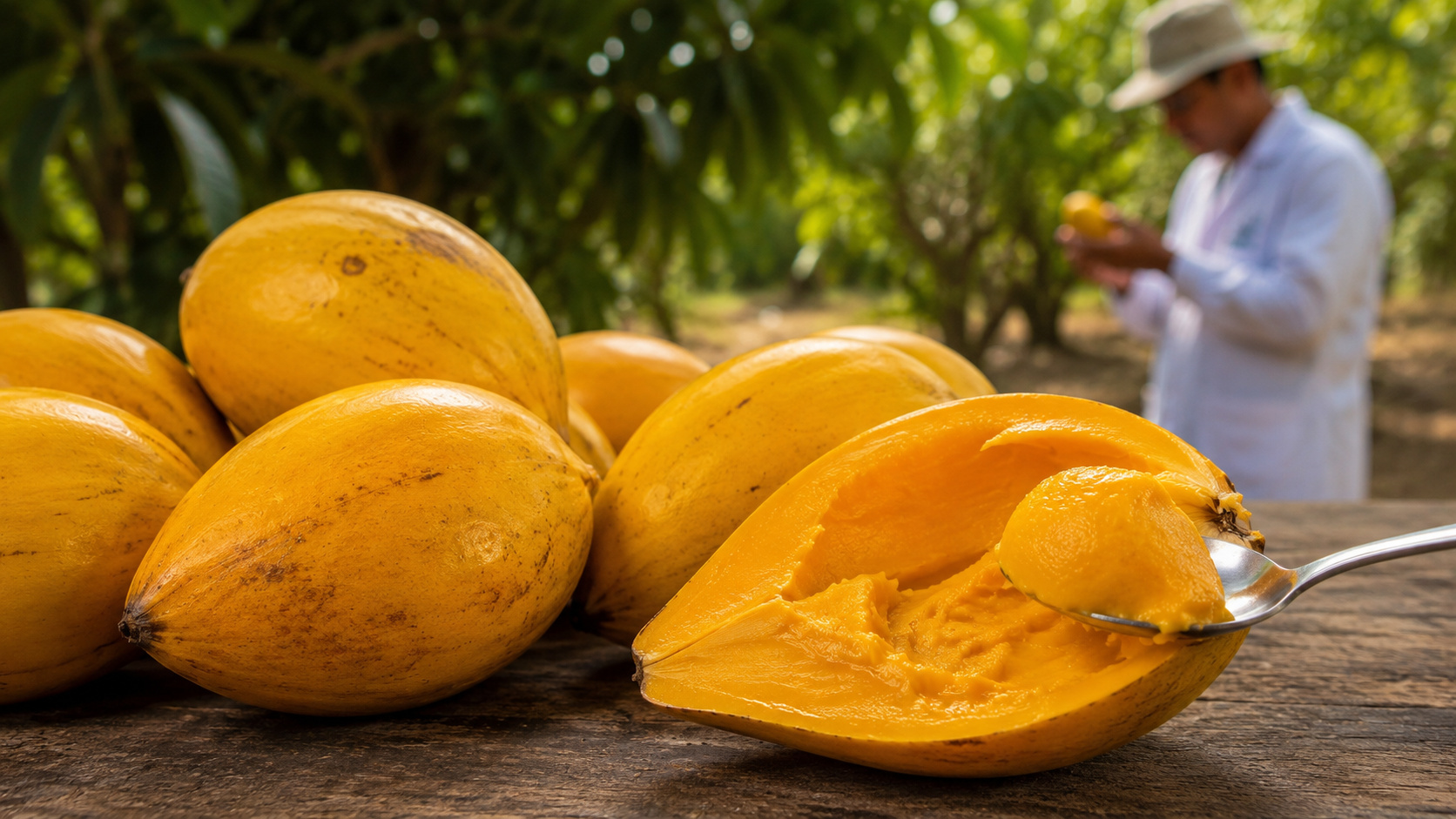
Rare Tropical Fruit Canistel, with Egg Yolk Color and Caramel Flavor, Gains Interest from Researchers and Small Producers in Brazil
-
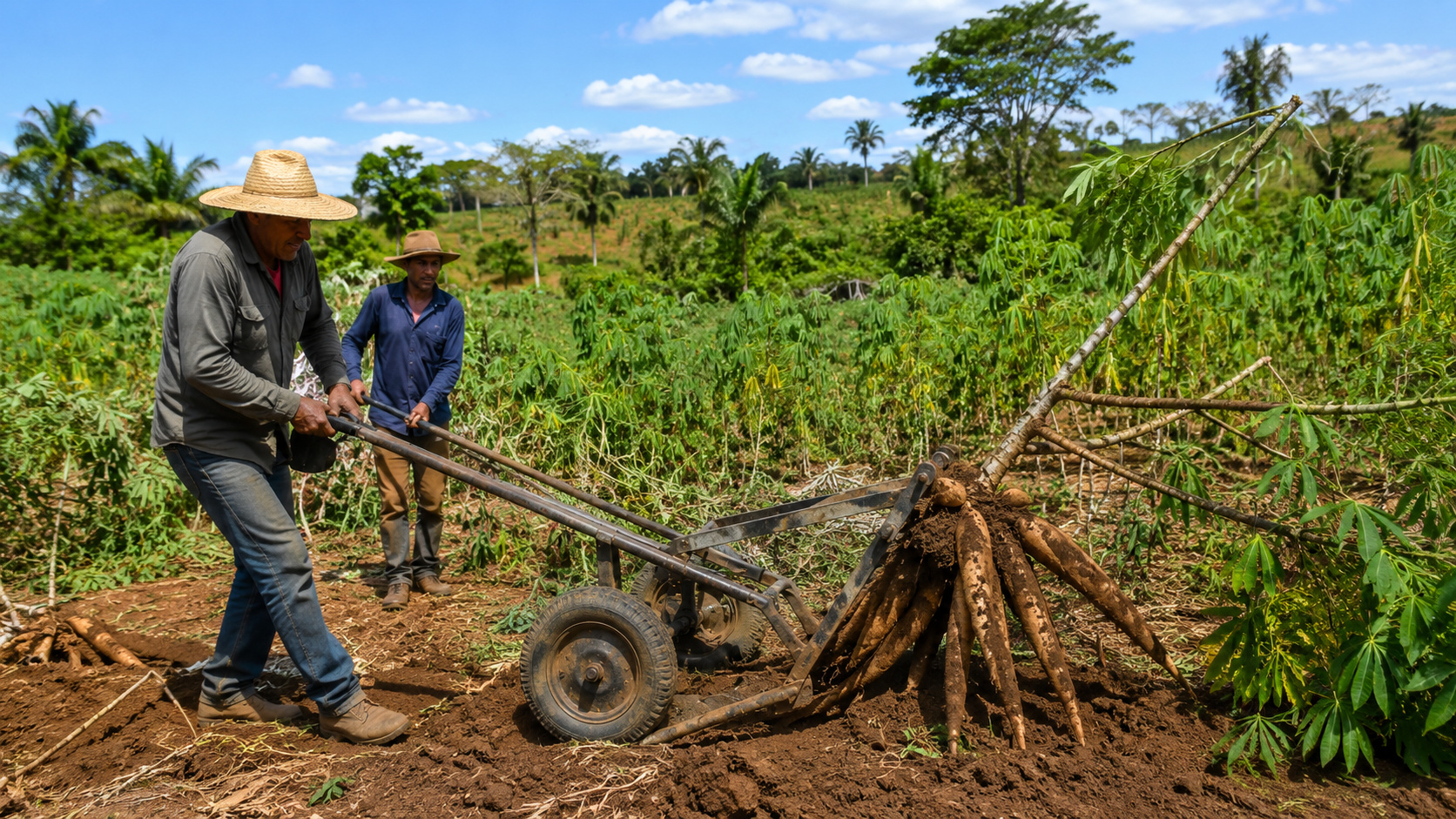
Brazilian Farmers Develop Wheeled Metal Lever to Ease Cassava Harvesting Without Heavy Machinery
-
Study of Brazil’s Tietê River Finds 25 Pesticides in Water, Including Cancer-Linked Substance Near Source


This number is noteworthy because it surpasses the previous record of 46.3 million bags of green coffee, achieved in 2024. If the forecast is confirmed, the country further strengthens its position as the main global supplier of the bean.
The stronger movement is expected to appear from July or August, when larger volumes begin to enter the shipment flow. This coincides with the start of the new commercial cycle and the gradual entry of the new harvest.
The advance also occurs at a time of tight international stocks. After production failures or limitations in some important countries, global consumers rely more on Brazilian supply to replenish reserves.
Historic harvest supports expectation of 50 million bags

The strength of exports is linked to the prospect of a high harvest. An estimate for 2026/27 points to Brazilian production of 75.8 million 60 kg bags, while another survey with producers projects 71.4 million bags, an increase of 11.5% over the previous season.
Even with differences between projections, the central point is the same: Brazil is heading for a large harvest. This combination of productivity, cultivated area, and favorable climate has opened the way for a bet on record exports.
The survey with producers also estimated production of 47.9 million bags of arabica, an increase of 13.5%, and 23.5 million bags of robusta, a growth of 7.6%. The total area cultivated with coffee would have advanced 2.97% in the annual comparison.
Out-of-season rains were pointed out as a positive factor for the crop. Furthermore, high prices allowed for greater application of inputs, helping producers maintain important care for the harvest.
Low global stocks increase dependence on Brazil
The international market reaches this moment with reduced stocks in consumer countries. This tightening came after production problems in major supplying regions, which helped raise prices in recent years.
In this context, Brazilian coffee becomes even more strategic. When external stocks are low, any consistent increase in shipments from Brazil can relieve pressure on international buyers.
The expectation is that Brazilian volumes will help replenish part of these reserves. Importing countries tend to observe not only the size of the harvest but also the speed with which producers and exporters bring coffee to the market.
This movement can influence contracts, premiums, future negotiations, and purchasing decisions. In a tight market, the Brazilian harvest does not only affect the national producer; it impacts roasters, traders, and consumers in different regions of the world.
Inverted market may accelerate producers’ sales

Another important factor is the price structure. The source indicates that the market is inverted, meaning current prices appear higher than future prices. This may encourage producers to sell more quickly.
When the producer realizes that today’s price is more advantageous than the projected future price, the tendency is to accelerate part of the negotiations. This behavior can increase the flow of coffee in the first months of the cycle.
This dynamic is relevant for exporters because it helps form the supply available for shipment. With the harvest advancing and buyers seeking to replenish stocks, the pace of sales can become a central piece of the market.
Even so, this behavior can change depending on the weather. If El Niño brings a greater risk to the next flowering, producers may slow down sales to wait for higher prices in the future.
El Niño enters the radar for the next harvest
The possible return of El Niño is the main point of uncertainty. The phenomenon can alter temperature and rainfall patterns, directly affecting agriculture in various producing regions.
In the case of coffee, there is an ambiguous effect. On one hand, warmer conditions can reduce the risk of frosts, which usually cause severe damage to crops in sensitive areas. On the other hand, excessive heat can harm the flowering phase.
The flowering, which usually occurs around September or October, is decisive for the next harvest. If the weather is too hot or irregular at this time, future productivity may be compromised.
Therefore, producers, exporters, and buyers will closely monitor the development of the phenomenon. The export record depends on the current harvest, but prices also hinge on the perception of risk regarding the next crop.
Flowering can define prices and sales strategy
The coffee flowering is a sensitive stage because it indicates the productive potential of the crop for the next harvest. A good flowering, accompanied by suitable weather conditions, increases the harvest expectation. A damaged flowering can change the entire market mood.
If El Niño is more negative than positive for coffee plantations, producers may slow down their sales pace. This retention would act as protection against the possibility of lower future supply and higher prices.
This is a common logic in agricultural commodities. The producer not only looks at the harvested crop but also at the risk of the next crop, especially when the weather enters a period of uncertainty.
Thus, the same El Niño that can prevent frosts can also stress the crops due to heat. The final impact will depend on the intensity of the phenomenon, the distribution of rainfall, and the specific conditions of the producing regions.
Brazilian coffee gains strength amid international race
The forecast of record exports reinforces Brazil’s importance in the global coffee trade. In a market with low stocks, each million bags shipped by the country can influence supply, prices, and supply chain.
A larger crop can also help balance part of the market after periods of tension. Brazil has the scale to respond quickly to international demand, but this response depends on harvest, logistics, price, and climate.
The port of Santos remains a strategic point for the flow of the product. As a major export hub, the region closely monitors the pace of the harvest and the arrival of volumes to the market.
The international race for coffee involves not only quantity. It also involves quality, origin, type of bean, immediate availability, and supply security in an increasingly monitored climate scenario.
Record can turn into alert if the climate changes
Brazil is preparing for a favorable cycle in coffee, with high production, projected record-level exports, and external demand supported by low stocks. Under normal conditions, this would be a strong scenario for producers and exporters.
But El Niño prevents a simple reading. The phenomenon can turn a season of optimism into a period of caution, especially if the heat affects the flowering of the next crop.
The big question is whether the country will be able to take advantage of the record export window without facing new climate pressure on the horizon. The market is already watching the shipments, but also looking at September and October.
And you, do you think Brazil should accelerate coffee sales while global stocks are low, or should producers hold back part of the supply given the climate risk of El Niño? Share your opinion.