Portuguese
  Spanish


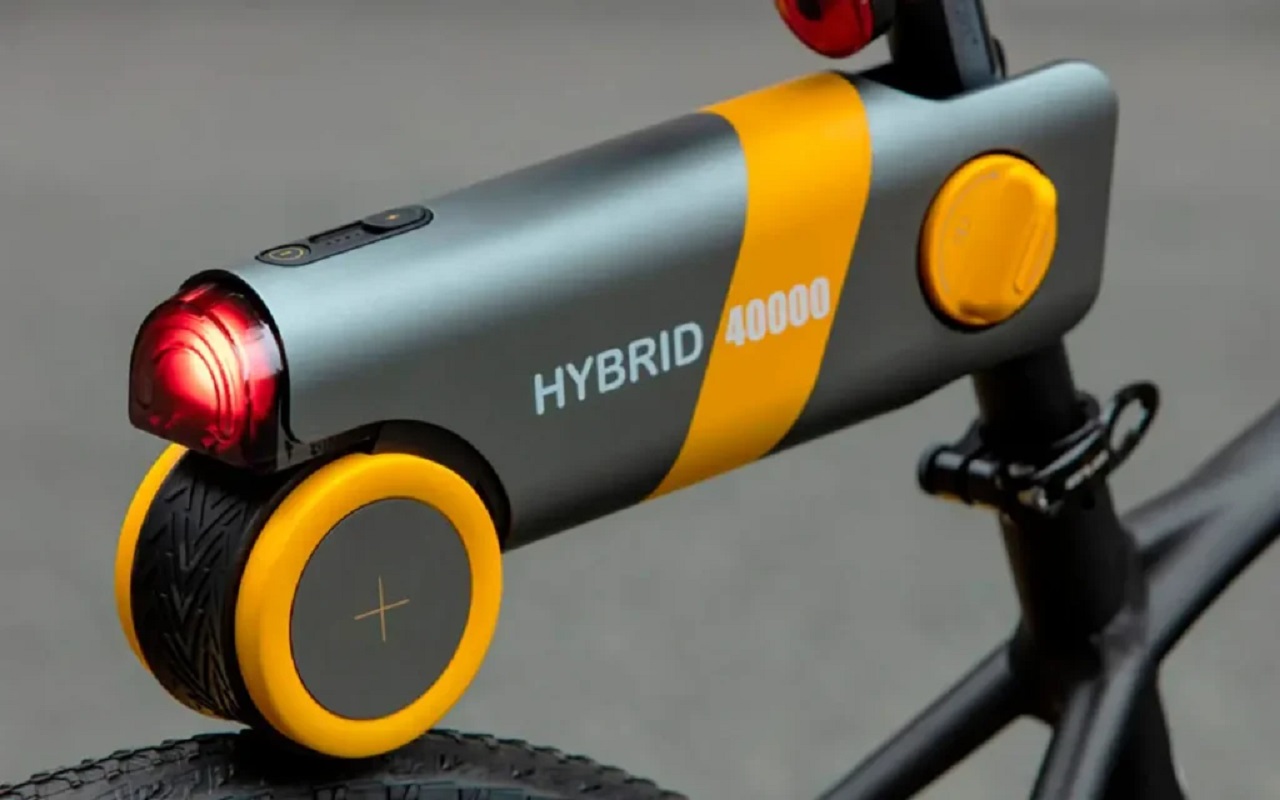

The Electric Bicycle Market Is Expanding, and This Time an American Company Developed a Conversion Kit That Works with Any Model and at an Affordable Price.
Electric bicycles are seen as a significant advancement in the two-wheeled vehicle segment and also in urban mobility due to their practicality. However, some more advanced models can exceed the price of a brand new fuel-powered car. To enjoy the benefits of an electric bicycle without spending so much, a company from the United States called Livall developed a conversion kit. The product, named PikaBoost, is available for pre-sale at US$ 299, which, in direct conversion, is equivalent to around R$ 1,600.
The Electric Bicycle Conversion Kit Weighs Only 3KG
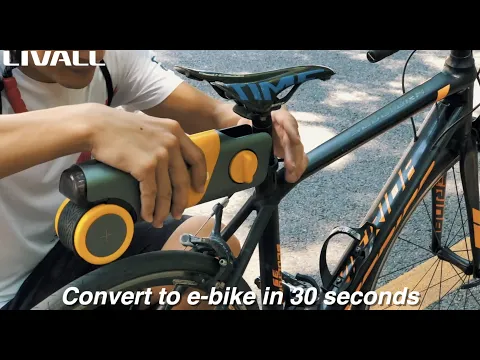

The product’s goal is to serve as an entry point into the battery bicycle sector, converting any regular bicycle into an electric one. Simply install the conversion kit on the seat post, which is the metal tube that supports the seat.
The device offers a range of approximately 30 km per charge, weighing only 3 KG and, due to its compact size, can be easily stored in a backpack when not in use. If the rider needs to take a long uphill path, for instance, just attach the conversion kit to the “electric bicycle” and pedal as if riding on flat ground. Full charging, on the other hand, takes about 3 hours.
-
End of an era in Brazil: beloved sedan by Brazilians is discontinued despite having a 2.0 engine with 151 hp, CVT transmission, 466-liter trunk, and up to 650 km of range.

-
New Law Proposal in Brazil Could Heavily Penalize Drivers: Dangerous Overtaking May Become a Serious Offense with Fines Increased Tenfold and a 12-Month License Suspension; Update on 2026 Progress

-
Electric Revolution: Watts W125 Motorcycle Offers 160 km Range, 90 km/h Speed, and Affordable Price Starting at $3,000
-
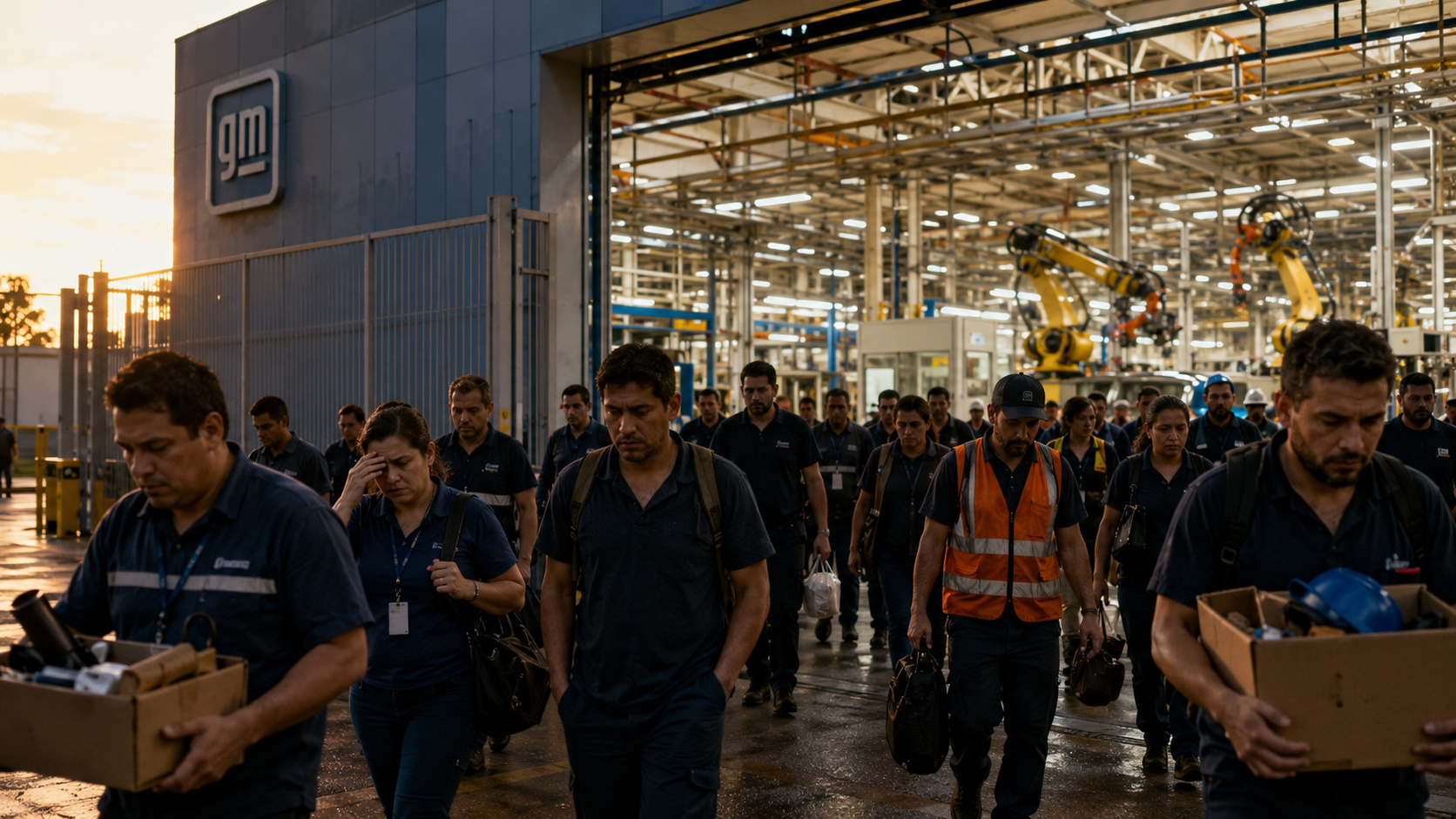
General Motors Replaces Over a Thousand Workers with 50 Cobots at Electric Vehicle Plant, UAW Union Criticizes Move Amid Industry’s Automation Push


The conversion kit that turns any bicycle into an electric one is equipped with a rear light and a USB port that allows charging a phone while the rider operates the vehicle. Moreover, the product features several driving modes and, as presented by the company, is an interesting option for at least trying out an electric bicycle, even with a limited budget and before investing in a factory-made electric bicycle.
Electric Bicycles Stand Out in the Market
Optibike, the company responsible for producing electric bicycles in the United States, developed a model that, according to the manufacturer, can climb Mount Everest with just one charge. The model developed by Optibike is the R22 Everest, being the highest performance version ever produced by the company.
The vehicle is equipped with two batteries, totaling a maximum supply of 3,260 Wh of capacity, which is equivalent to approximately 6.5 times more power compared to the batteries found in lower-priced bicycles.
The entire assembly mentioned earlier provides the electric bicycle with a range of 510 km on a single charge, in pedal-assist mode and at a speed of up to 25 km/h, according to the company. However, the electric bicycle can also operate as a motorcycle.
This was the technique developed by the company to give the rider a break from operating the vehicle, which can be powered only by the throttle, reaching a maximum speed of up to 58 km/h.
Hydrogen Also Enters the Electric Bicycle Market
The Dutch design office StudioMom developed the LAVO bicycle, a compact hydrogen-powered transportation concept. The bicycle’s design utilizes hydrogen storage technology developed in Australia.
According to the company at the launch of the concept, this technology promises clean energy and emissions-free, allowing for the transport of up to three times more energy per unit weight compared to a state-of-the-art battery.
Small-scale transport combined with hydrogen is solving the autonomy issue. In this way, the bicycle can serve as an alternative to vehicles for transporting loads over greater distances.