Portuguese
  Spanish


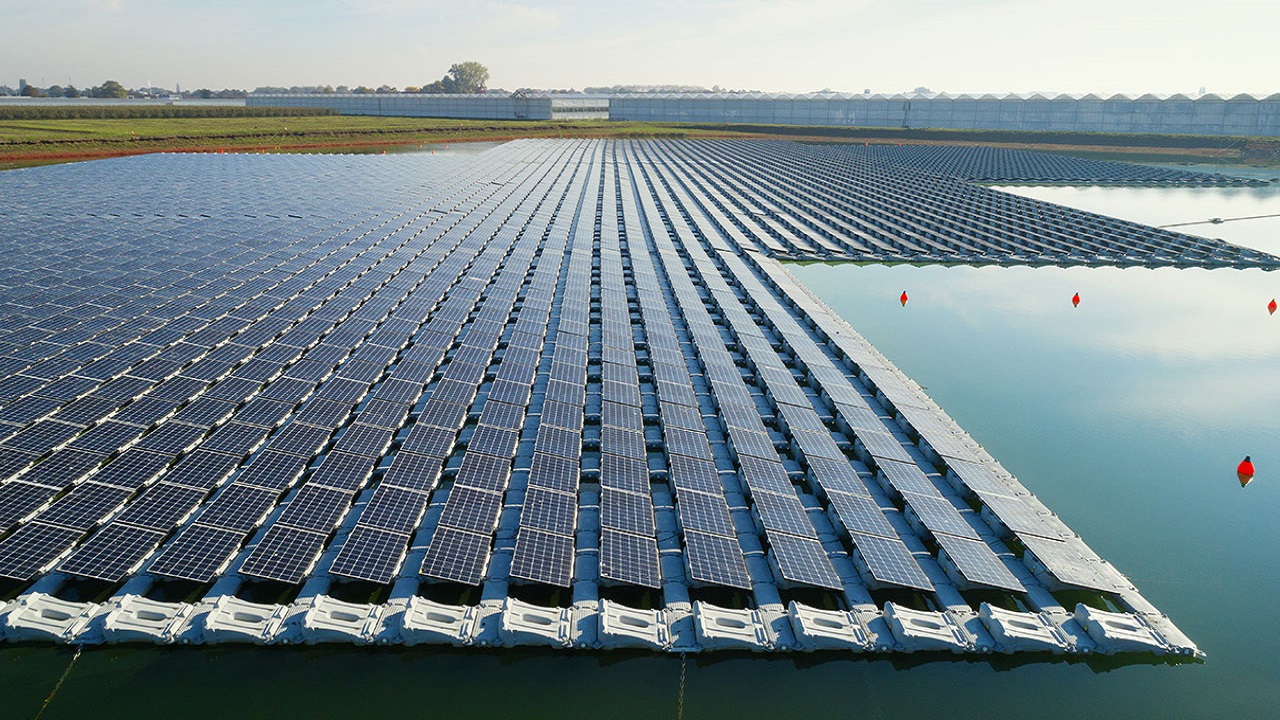

Dutch Company Developed a Floating Solar Mat Installed Offshore. The Equipment Offers Several Benefits and Technologies That Prevent Constant Maintenance.
A company from the Netherlands, called SolarDuck, developed a floating solar mat to generate renewable energy in open waters. A possibility that still faces several challenges, despite being very costly. Generally, floating solar power plants are combined with other modes of energy production, and this is the case for the Dutch company that will test its system off the coast of Belgium and also integrated among wind turbines in the Netherlands, in both cases in the North Sea.
Offshore Solar Mat Design Can Contribute to Its Easy Installation and Component Preservation
Developing an offshore solar power plant that can withstand heavy weather conditions, be resistant to strong winds and water, require little maintenance, and be durable in a corrosive environment is almost impossible.
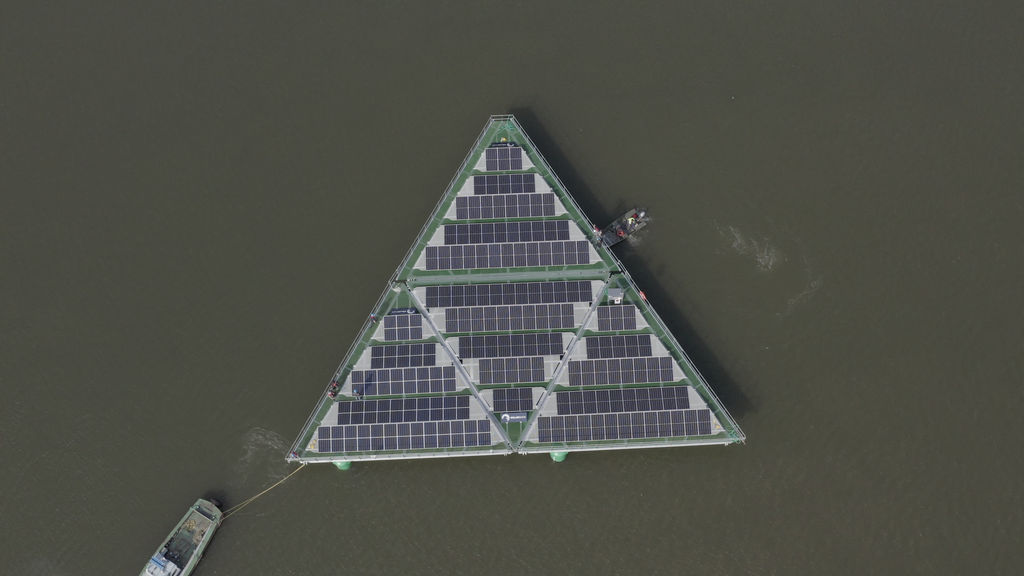
With this in mind, SolarDuck’s aim is to develop a solar power plant in a triangular design, developed to float several meters above the water.
-
Giant Batteries Take Center Stage in Chile Auction as Company Offers 960 GWh of Solar Energy for Nighttime Use, Aiming to Stabilize Solar Power Supply

-
After a Year of Success in Switzerland, Solar Railway Attracts Italy’s Interest for Clean Energy Transformation
-
Robots Clean Solar Panels in Desert Power Plants Without Water, Preventing Energy Losses
-
Brazil’s Offshore Wind Energy Potential Worth $1 Trillion Stalled by Long-Delayed Agreement



In this way, the mat with solar panels sways with the waves quite similarly to a buoy; this feature should aid in its installation and keep critical electrical components dry, stable, and clean.
Offshore Solar Mat Receives Certification from Bureau Veritas
According to SolarDuck’s CEO, Koen Burgers, the demand for clean, sustainable, and accessible energy requires new and immediate responses from the industry in Europe and globally. The company aims to provide this response by generating solar energy for its next frontier: the oceans.
The presentation of the robust technology in the adverse conditions of the North Sea will allow the company to install the technology practically anywhere in the world.
The model has received the world’s first certification for offshore solar energy from the Bureau Veritas organization. The aquatic environment, while presenting significant challenges, also offers various advantages. It optimizes the water space for energy generation, saving land use.
Solar Panels Contribute to Reducing Water Loss through Evaporation
In addition to these benefits, the panels of the ‘solar mat’ further contribute to reducing water loss from evaporation, especially when installed in hydroelectric reservoirs. Other advantages of installing solar panels on the surface of the sea include reducing the heat of photovoltaic panels, making them more efficient and helping to contain algae proliferation.
The installation of the solar mat off the coast of Ostend, Belgium, is expected to generate 0.5 MWh at peak production. This will be the company’s first offshore pilot.
After the experience at sea, the developer hopes to gain insights that will enable faster commercialization of the technology starting next year.