






 Portuguese
  Spanish
  5 min of reading
  0 comments


Silent shift in the mobile market marks possible farewell of one of telephony’s most iconic brands, with increasing focus on basic phones and HMD’s strategic transition to consolidate its own identity while maintaining Nokia’s residual presence until the end of the decade.
HMD Global is nearing a possible end to the production of Nokia-branded phones, after almost a decade attempting to reposition the name in the Android ecosystem and sustain the relevance of one of mobile telephony’s most recognized symbols.
While some basic devices remain available in the portfolio, smartphones have ceased to be the center of attention, signaling a strategic shift that has been gradually built over the past few years.
In this recent context, according to a report published by Tudo Celular website, the manufacturer does not intend to launch new smartphones with the Nokia brand, which reinforces the interpretation that this cycle is nearing its end in the most competitive segment of the mobile market.
-
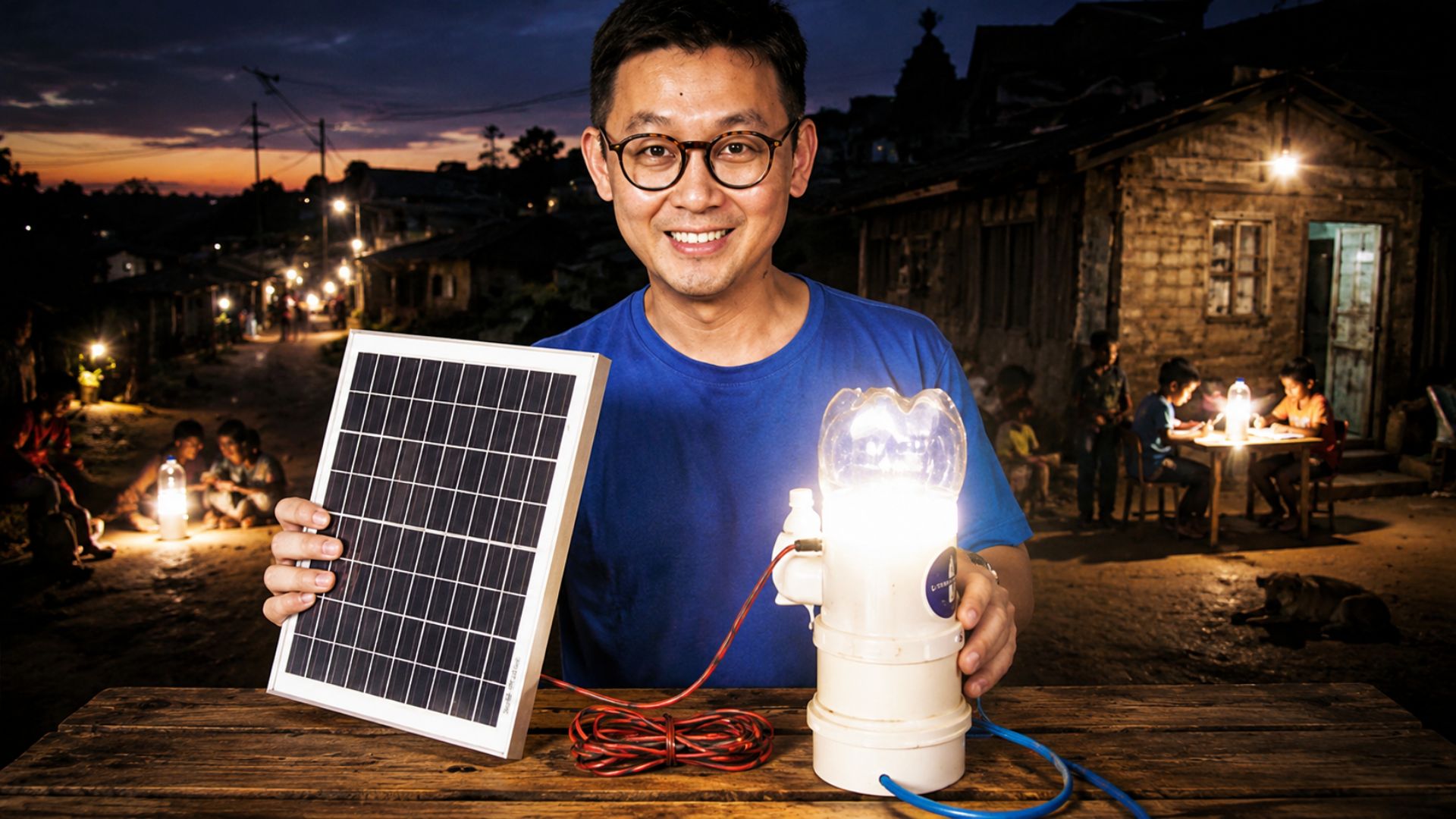
Brazilian mechanic invented a lamp made from a PET bottle during the 2001 blackout, the idea turned into an NGO present in 30 countries and has already illuminated 40,000 people in 200 communities without electricity in Brazil.

-
The first trillionaire in history, Elon Musk, opens his wallet and pays the equivalent of R$ 306 billion, or US$ 60 billion, for the artificial intelligence programming startup Cursor, in yet another AI investment made through SpaceX, his rocket company.
-
The future of computers may change sooner than expected: Amazon bets on commercial quantum computing within seven years, while qubits, the Ocelot chip, AI, and scientific simulations take center stage in the new race among big techs.

-
What does a Covid-19 vaccine have to do with heart attack and stroke? A study with over 1 million veterans reveals an unexpected link between immunization, the heart, and seniors over 75 years old.



HMD’s Strategy and Reduction of the Nokia Brand
Over the past few years, the change in direction has occurred progressively, without abrupt announcements, but with clear signs of repositioning in the global mobile device market.
Since 2024, HMD has intensified investments in products with their own identity, while Nokia devices have focused on simpler categories, primarily aimed at calls, messages, and longer battery life.
Parallel to this movement, the company officially adopted the name Human Mobile Devices in its institutional communication, indicating a consistent effort to build relevance independent of the heritage associated with the Finnish brand.
Thus, the current strategy demonstrates less dependence on Nokia’s historical value, while also opening space for new lines and commercial proposals aligned with the contemporary scenario of the sector.

It’s worth remembering that this repositioning occurs after years of attempts at consolidation in Android, a period in which Nokia launched accessible devices with well-regarded designs, but faced intense competition in practically all price ranges.
Nokia Licensing Until 2029 and Focus on Basic Phones
Even with the possible exit from the smartphone segment, the Nokia brand is not expected to immediately disappear from shelves, especially in markets where simple phones still maintain relevance.
According to research by Tudo Celular website, the licensing agreement has been renewed and may extend until 2029, albeit with a more restricted focus directed at specific categories.
In practice, this extension primarily involves so-called feature phones, more basic devices that continue to serve consumers interested in lower cost, simplicity of use, and longer battery life.
Thus, the Nokia brand remains associated with a well-defined type of product, with no indication of a broad return to the Android smartphone universe.
This scenario reinforces the trend of residual presence, aimed at niches where there is still consistent demand for devices less dependent on applications and advanced connectivity.
Nokia 3210, 215, and 225 Symbolize Final Phase
Among the models still available, the recently re-released Nokia 3210 appears as one of the main symbols of this transition phase and the brand’s possible farewell from the market.
The reinterpretation maintains classic elements that marked generations, while incorporating updated features within a simple, functional proposal aligned with the basic phone concept.
In addition, devices like the Nokia 215 and Nokia 225 continue to be sold in some regions, preserving traditional features such as a physical keyboard and a focus on essential functions.
These devices help explain why the brand remains active, even if far from the prominence observed in previous decades in the mobile telephony sector.

In this context, the hypothesis arose that the current strategy may be linked to stock clearance, although there is no official confirmation to categorically support this interpretation.
Even without formal validation, the consistent reduction in launches reinforces the perception of a gradual end to Nokia’s presence in new generations of devices.
Nokia’s performance on Android fell below expectations
When it returned to the market with Android, Nokia sparked significant expectations, driven by the strong brand recall among consumers of different profiles.
However, over the years, the performance did not match this initial enthusiasm, especially in the face of the rapid evolution of competitors and changes in consumer buying behavior.
With the advancement of this competitive scenario, the brand’s participation gradually diminished, while other manufacturers consolidated leadership in various regions and segments.
At the same time, HMD expanded its operations with new initiatives, reducing dependence on Nokia as the main commercial asset within its global strategy.
In this sense, the site Tudo Celular also pointed out that the company has started directing its most recent launches to the HMD brand, consolidating the shift in focus in the development of new smartphones.
Uncertainty about possible last Nokia phone
Despite the trend of continuous reduction, some recent signs still raise doubts about a definitive end of the brand in the short term.
A new model with the Nokia brand appeared in recent certifications, indicating the possibility of a final launch before a potential complete market withdrawal.
Even so, there is no official confirmation that this device will be effectively announced, keeping the scenario open to different interpretations within the sector.
Without concrete announcements, the future of the brand remains undefined, although the company’s strategic direction clearly points to an increasingly smaller presence over the coming years.
Complementing this panorama, in another publication, the site Tudo Celular highlighted that the end of the production of new devices with the brand may occur after the commercialization of the units still available.
The recent trajectory reveals a gradual transition process, in which Nokia ceases to occupy a central position and becomes a legacy brand within HMD’s strategy, without repeating the prominence that marked its history in mobile telephony.





-

-

4 people reacted to this.